
In brief
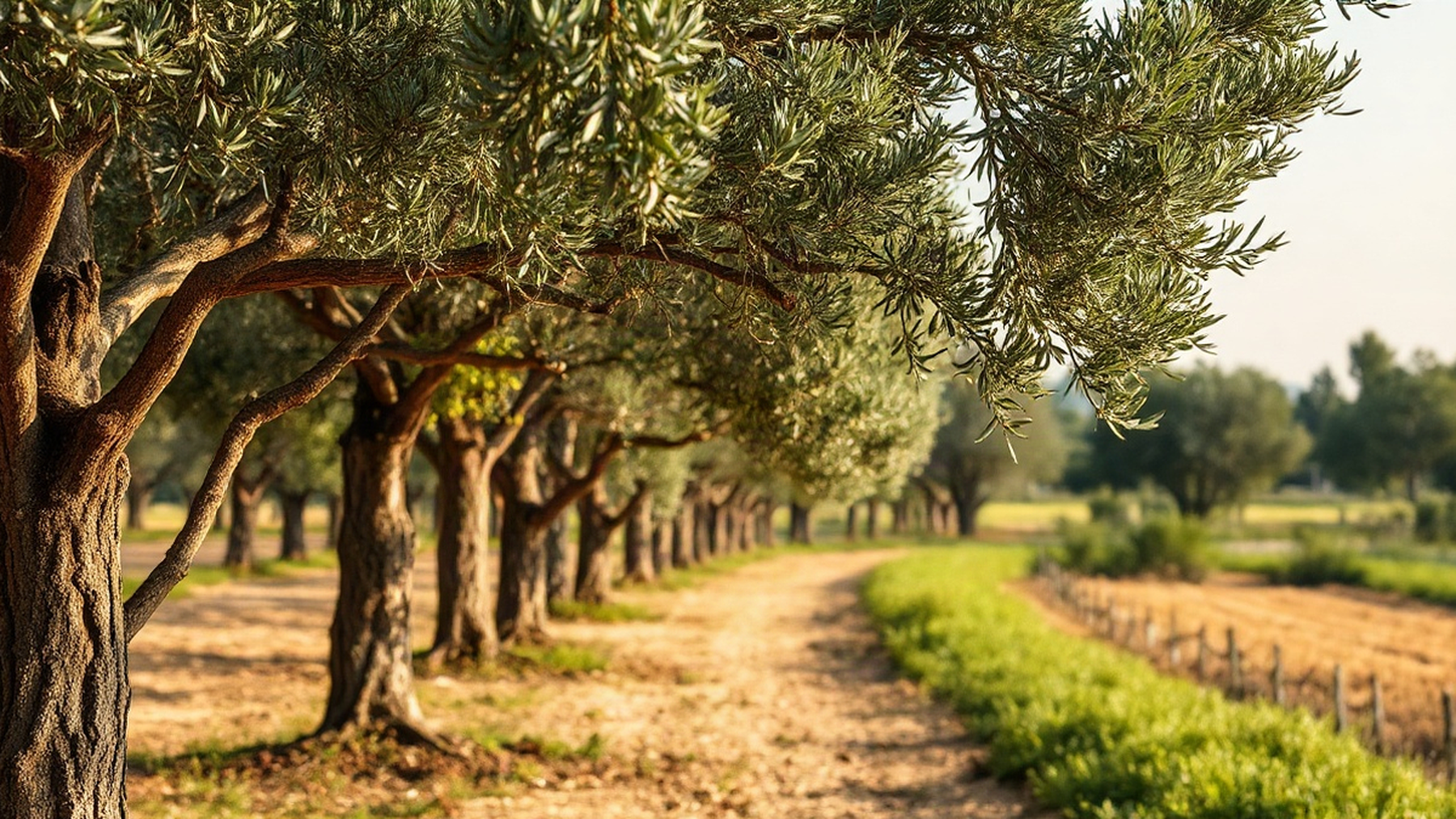
Local farmers in the Venetian Lagoon are revitalizing traditional olive oil production, embracing sustainable practices to adapt to modern challenges.
At a glance
- Where
- Venetian Lagoon, Italy
- Best for
- Culinary enthusiasts and sustainability advocates
- Time needed
- 1-2 hours for a visit
- Access/Cost
- Varies by farm; many offer tastings
- Last checked date
- August 2026
- Key locations
- Poveglia Island and Galzignano Terme
A Historical Context
Olive cultivation in the Venetian Lagoon has roots that stretch back to the Republic of Venice, which historically sought to expand its agricultural base. The demand for olive oil surged, particularly after the Venetian conquest of regions like Cephalonia, which increased pressure on local farmers to produce high-quality oil. This historical context is essential for understanding the evolution of olive farming practices in the area, which have adapted through centuries of agricultural change.
The Modern Revival
Today, local farmers are breathing new life into this ancient practice by focusing on sustainable methods that respect the fragile ecosystem of the Lagoon. Farms near Poveglia Island are experimenting with native olive varieties that thrive in the humid environment, a significant shift from the more traditional Mediterranean species. The careful selection of these olive varieties is crucial for maintaining local biodiversity and ensuring the resilience of the farming system against climate challenges.
Sustainable Practices
Farmers in the Venetian Lagoon are adopting a range of sustainable agricultural techniques. Priority is given to organic farming practices, which eschew synthetic pesticides and fertilizers in favor of natural pest control methods. Crop rotation and the planting of cover crops help to maintain soil health and fertility. Moreover, farmers are strategically selecting planting sites that minimize environmental impact, ensuring that their activities do not disrupt the delicate balance of the Lagoon's ecosystem.
Community and Culture
The revival of olive oil production is not just about the oil; it also fosters a sense of community among those involved. Farmers frequently host workshops and tastings, inviting both locals and visitors to engage with the olive oil production process. These events not only promote the rich flavors of the oils produced but also educate attendees about the importance of sustainable practices and the history of olive cultivation in the region. This cultural connection helps to strengthen ties within the community and supports local economies.
Challenges Ahead
Despite the positive momentum in reviving olive oil production, significant challenges lie ahead. Climate change presents substantial risks to crop yields, threatening the viability of small-scale farms. Additionally, the economic pressures from larger agricultural enterprises can undermine the efforts of local farmers. However, the resilience of these farmers is evident in their unwavering commitment to preserving their heritage and adapting to contemporary challenges.
The Future of Venetian Olive Oil
The future of olive oil production in the Venetian Lagoon appears promising, with a growing interest in high-quality, sustainably produced oils. As consumers become more aware of the environmental and health benefits associated with organic and local products, the market for Venetian olive oil is likely to expand. Local farmers are not only focusing on production but also on branding their oils as premium products that reflect the unique characteristics of the Lagoon. This could lead to greater recognition of Venetian olive oil both nationally and internationally.
Conclusion
The revival of olive oil production in the Venetian Lagoon is a fascinating intersection of history, sustainability, and community engagement. By embracing traditional methods while adapting to modern environmental challenges, local farmers are not only preserving an important cultural legacy but also contributing to a more sustainable agricultural future. As they navigate the complexities of contemporary farming, these resilient producers are ensuring that the story of Venetian olives continues to thrive.
The Historical Influence of Olive Oil in Venetian Culture
Olive oil has long been a cornerstone of Venetian culture, deeply intertwined with the region's history and culinary traditions. As the Republic of Venice expanded its reach across the Mediterranean, it sought not only to gain control over trade routes but also to enrich its agricultural base. The influx of olive oil from regions like Cephalonia and Crete transformed local cuisine and established a cultural identity centered around this prized commodity. Venetian merchants played a crucial role in the olive oil trade, facilitating the exchange of goods and culinary practices that would influence local recipes and dining customs for centuries. The cultivation of olives became more than just an agricultural pursuit; it was a means of expressing regional pride and identity, particularly as Venetian cuisine began to evolve in response to diverse influences.
Modern Techniques and Biodiversity
In their quest for sustainability, farmers in the Venetian Lagoon are not only embracing traditional practices but also incorporating modern agricultural techniques that prioritize biodiversity. By cultivating native olive varieties, local producers can enhance the resilience of their crops to pests and diseases while minimizing the need for chemical interventions. This approach aligns with the principles of permaculture, which emphasizes working with natural ecosystems to create sustainable agricultural systems. For instance, integrating companion planting, where different crops are planted in proximity for mutual benefit, can improve soil health and increase yield without compromising the ecological balance. Furthermore, these farmers are increasingly participating in initiatives that promote biodiversity conservation, ensuring that their practices contribute to the preservation of the unique flora and fauna of the Lagoon.
Economic Impacts of the Olive Oil Revival
The revival of olive oil production in the Venetian Lagoon is also having a significant economic impact on local communities. As interest in artisanal and organic products grows, the market for high-quality Venetian olive oil is expanding, providing farmers with new opportunities for income generation. Many local producers are establishing direct-to-consumer sales channels through farmers' markets, online platforms, and local collaborations, fostering a stronger connection between consumers and producers. This direct selling model not only enhances the economic viability of small farms but also encourages a culture of transparency and appreciation for the labor that goes into producing high-quality olive oil. Additionally, the rise of agritourism, where visitors are invited to experience the olive oil production process firsthand, is further supporting local economies by attracting tourists who are eager to learn about sustainable farming practices while enjoying the region's culinary offerings.
Environmental Stewardship and the Future of Farming
As the challenges posed by climate change continue to escalate, farmers in the Venetian Lagoon are demonstrating a proactive commitment to environmental stewardship. By utilizing practices such as water conservation, soil management, and integrated pest management, these farmers are working to mitigate their environmental impact while ensuring the sustainability of their crops. The implementation of rainwater harvesting systems and drip irrigation techniques are examples of how local producers are adapting to the changing climate and preserving precious water resources. Moreover, there is a growing movement among these farmers to engage in reforestation and habitat restoration efforts, recognizing the vital role that healthy ecosystems play in supporting agriculture. By prioritizing environmental health alongside economic viability, local olive oil producers are not only safeguarding their future but also contributing to the broader goal of sustainable agriculture in the region.
Local farmers in the Venetian Lagoon are revitalizing traditional olive oil production, embracing sustainable practices to adapt to modern challenges. Venetian Lagoon, Italy Olive cultivation in the Venetian Lagoon has roots that stretch back to the Republic of Venice, which historically sought to expand its agricultural base. The demand for olive oil surged, particularly after the Venetian conquest of regions like Cephalonia, which increased pressure on local farmers to produce high-quality oil. This historical context is essential for understanding the evolution of olive farming practices in the area, which have adapted through centuries of agricultural change.Frequently asked questions
What is “Reviving the Olive: Venetian Farmers Rediscover Tradition” about?
What is the key fact about “Reviving the Olive: Venetian Farmers Rediscover Tradition”?
What should readers know about “A Historical Context”?
Sources
- “Olive Oil Production in Veneto,” Wikipedia. Source link
- “The History of Olive Cultivation,” Wikivoyage. Source link
This article was independently researched and produced. No payment, complimentary service or editorial approval was provided by the places mentioned.