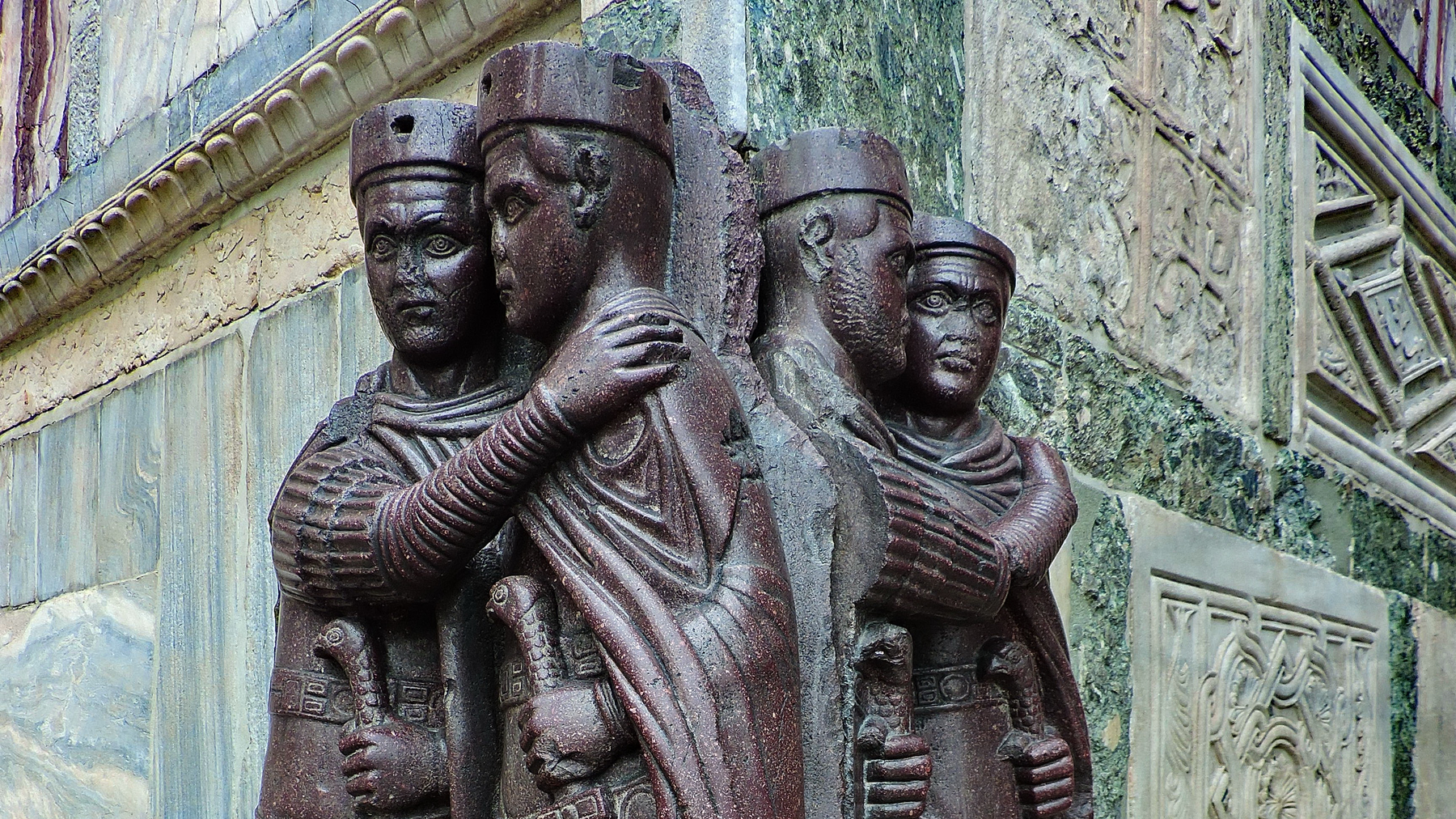
The Split Statue: San Marco's Four Tetrarchs
A porphyry statue built into San Marco's corner has stood short a foot since 1204. It surfaced in Istanbul decades later and has never come home.
Read the story
A geography of water
Venice, its islands and the quieter edges of a landscape that is never merely a backdrop.
Each island and neighbourhood holds a different relationship with water, work and time. Our guides begin with those distinctions.
A porphyry statue built into San Marco's corner has stood short a foot since 1204. It surfaced in Istanbul decades later and has never come home.
Read the story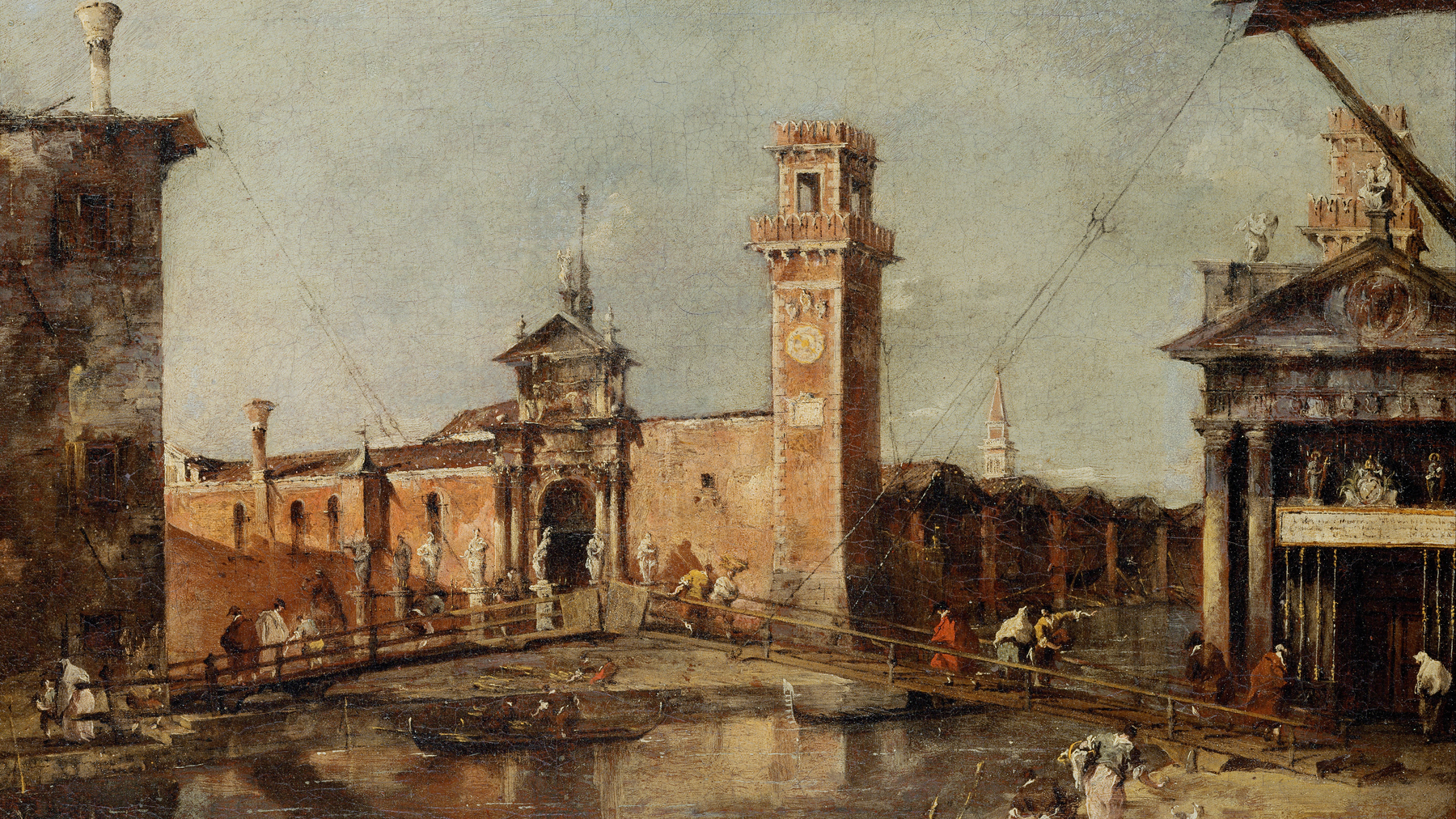
Centuries before Henry Ford, the state shipyard could finish a war galley in a single day by moving it down a line of specialised stations—a system guarded like a state secret.
Read the story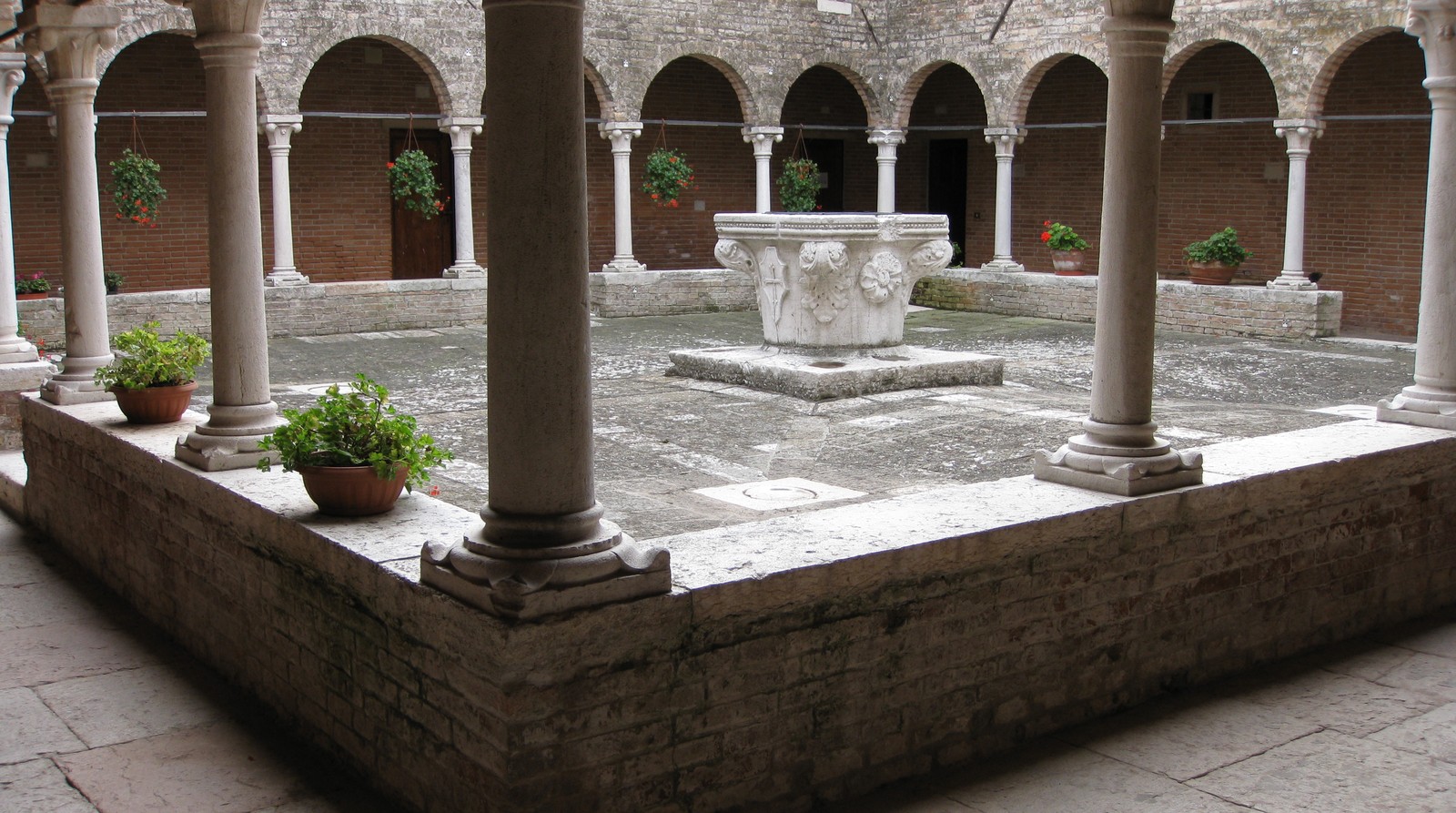
A three-hectare island near Burano where Franciscan friars still live, reached only by boat and largely untouched by tourism.
Read the story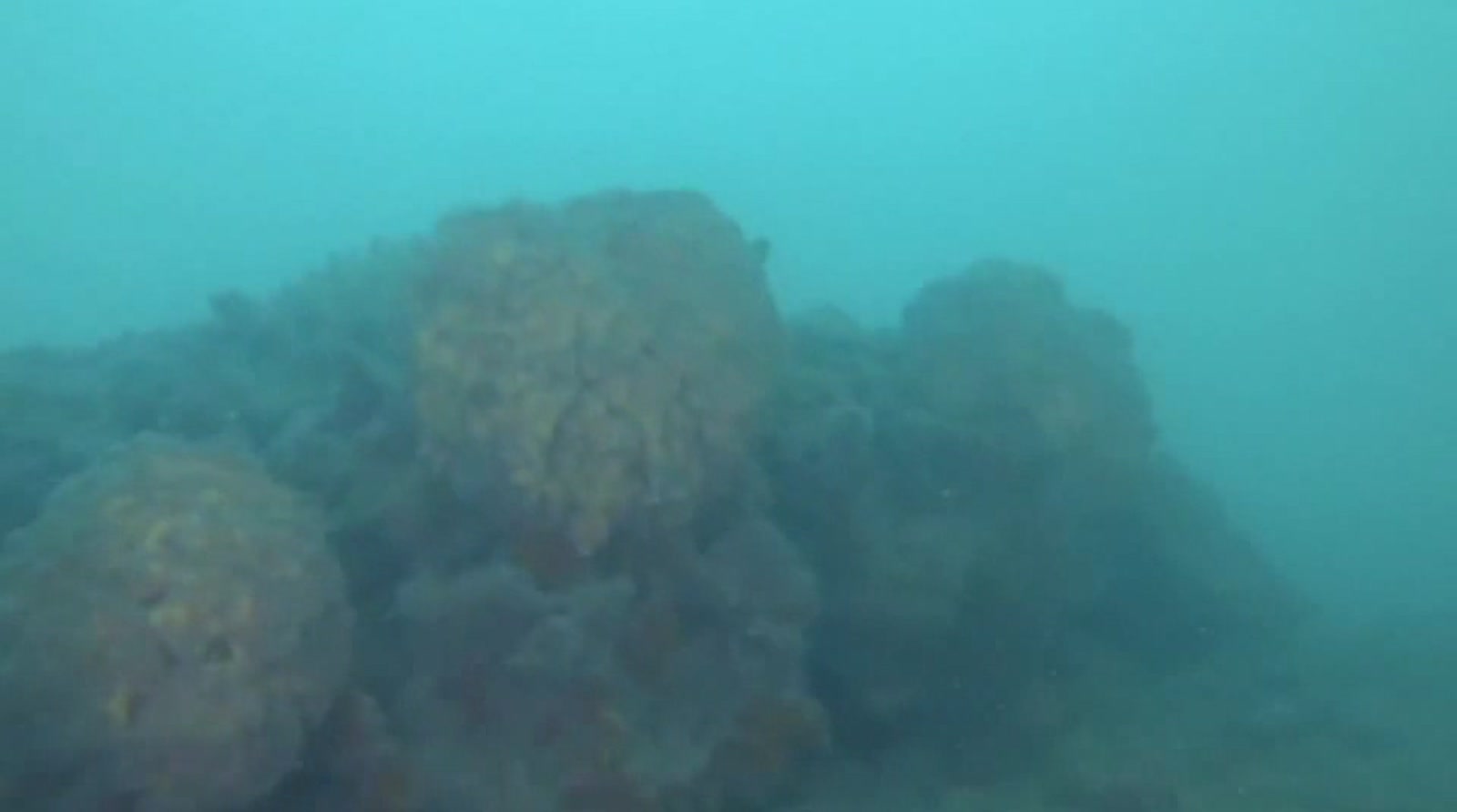
Off Chioggia, reefs rise unexpectedly from a silty seabed—ancient river channels turned into living islands beneath the Adriatic.
Read the story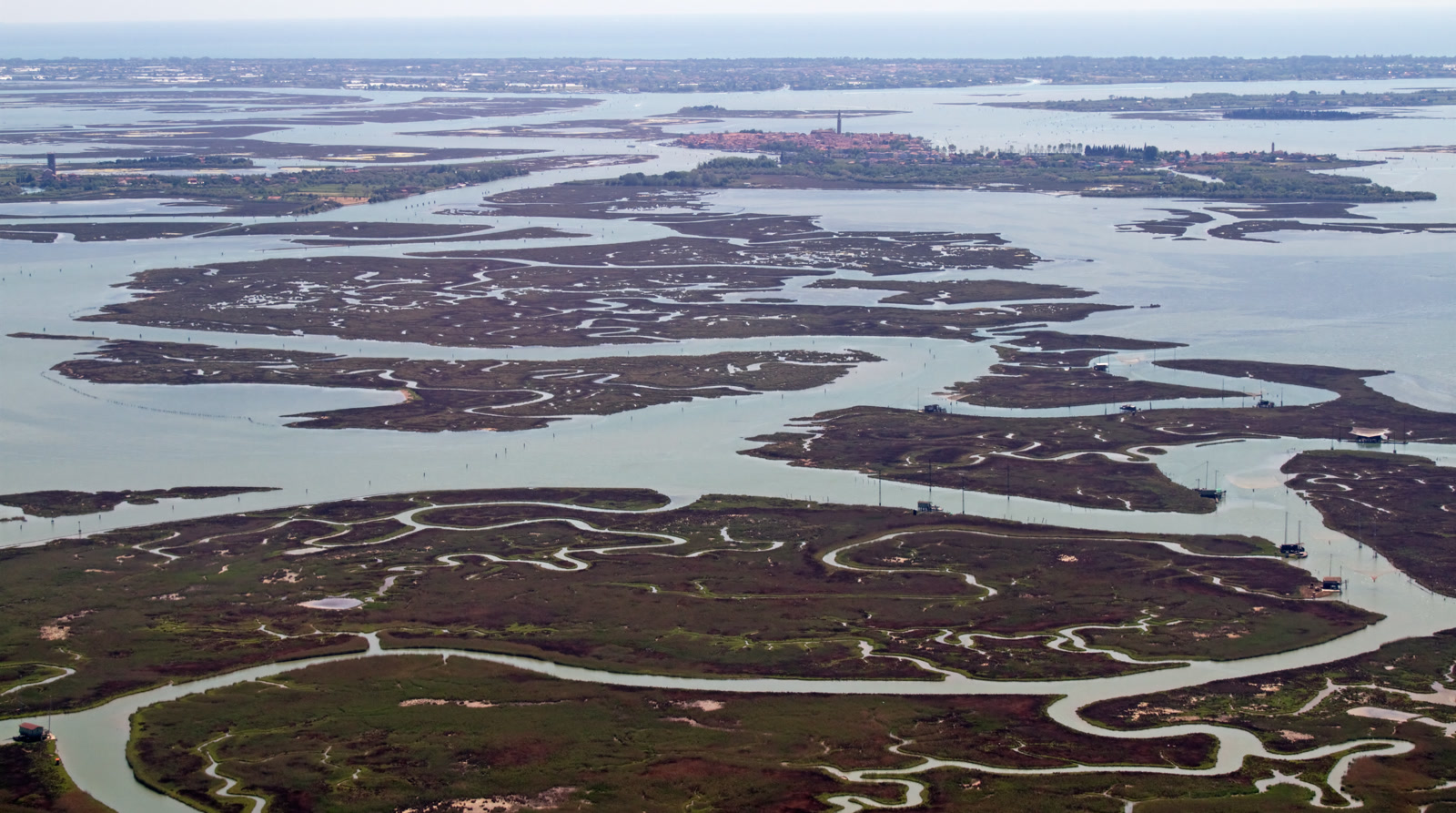
A submerged pier, two well-cisterns and an oyster tank are changing the way archaeologists read the waters between Altinum and the sea.
Read the story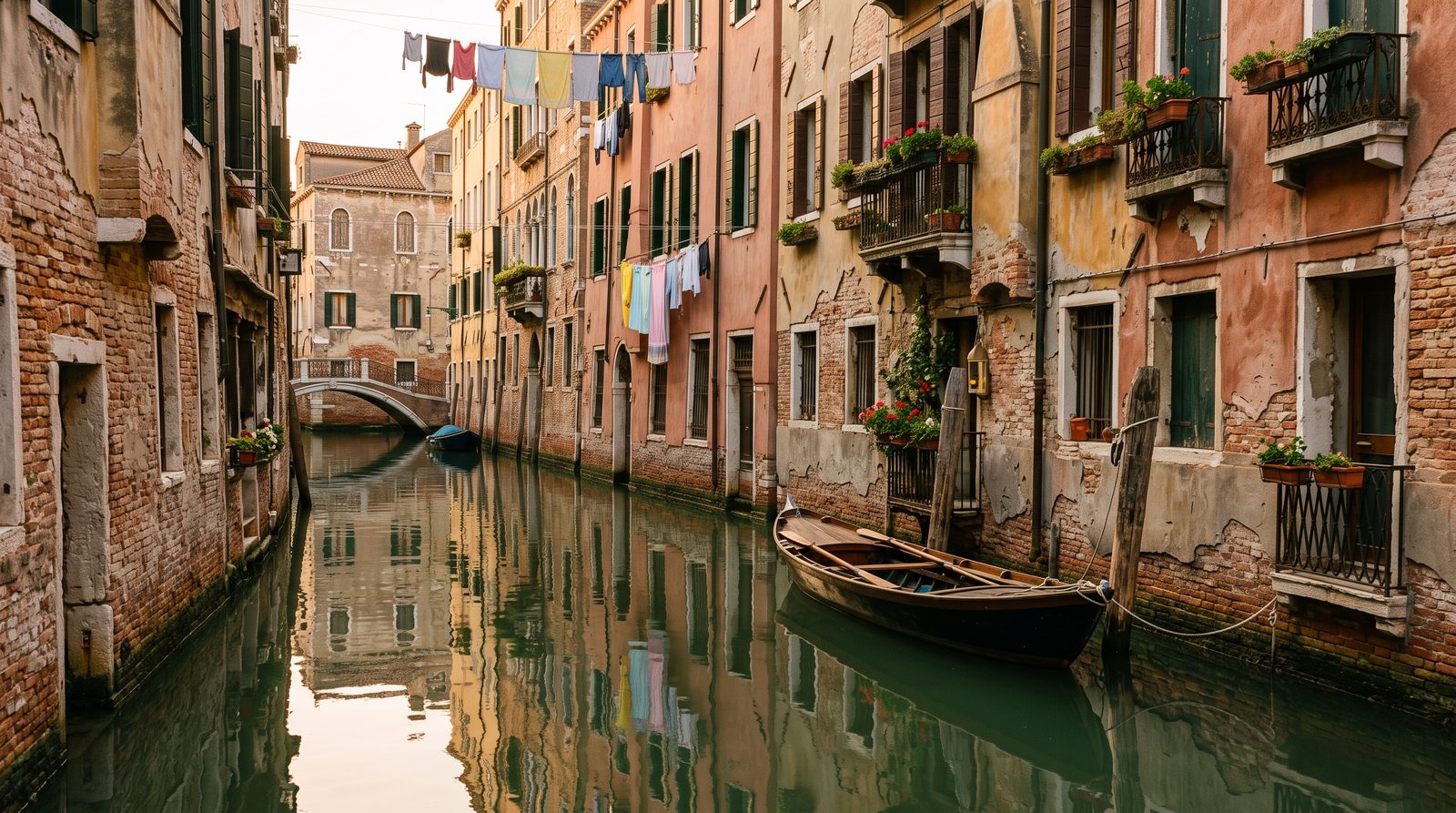
An orientation guide to the lagoon's islands, districts and waterways, and how to move between them well.
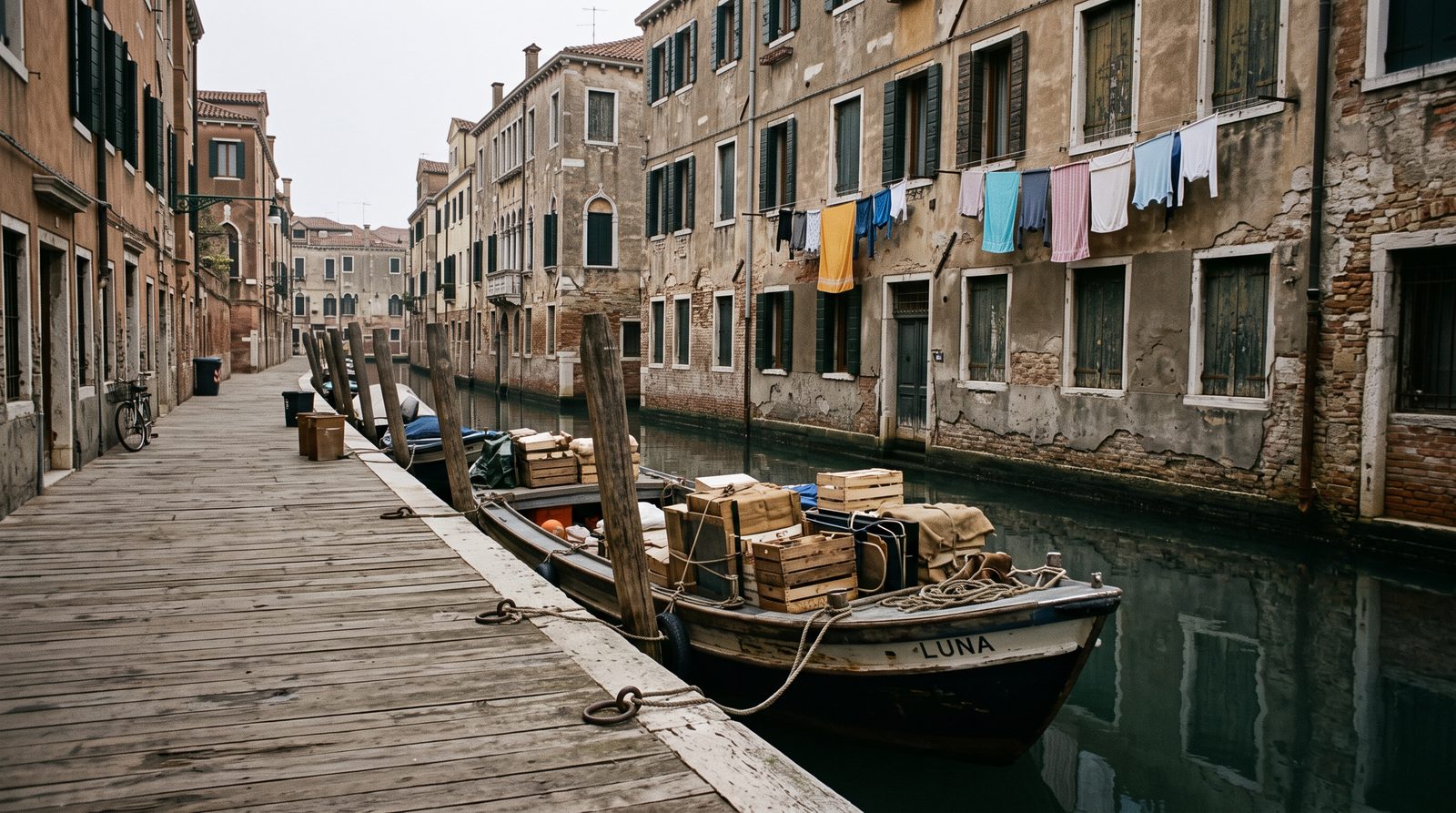
San Marco, Castello, Cannaregio, Dorsoduro, San Polo and Santa Croce, each with its own character and pace.
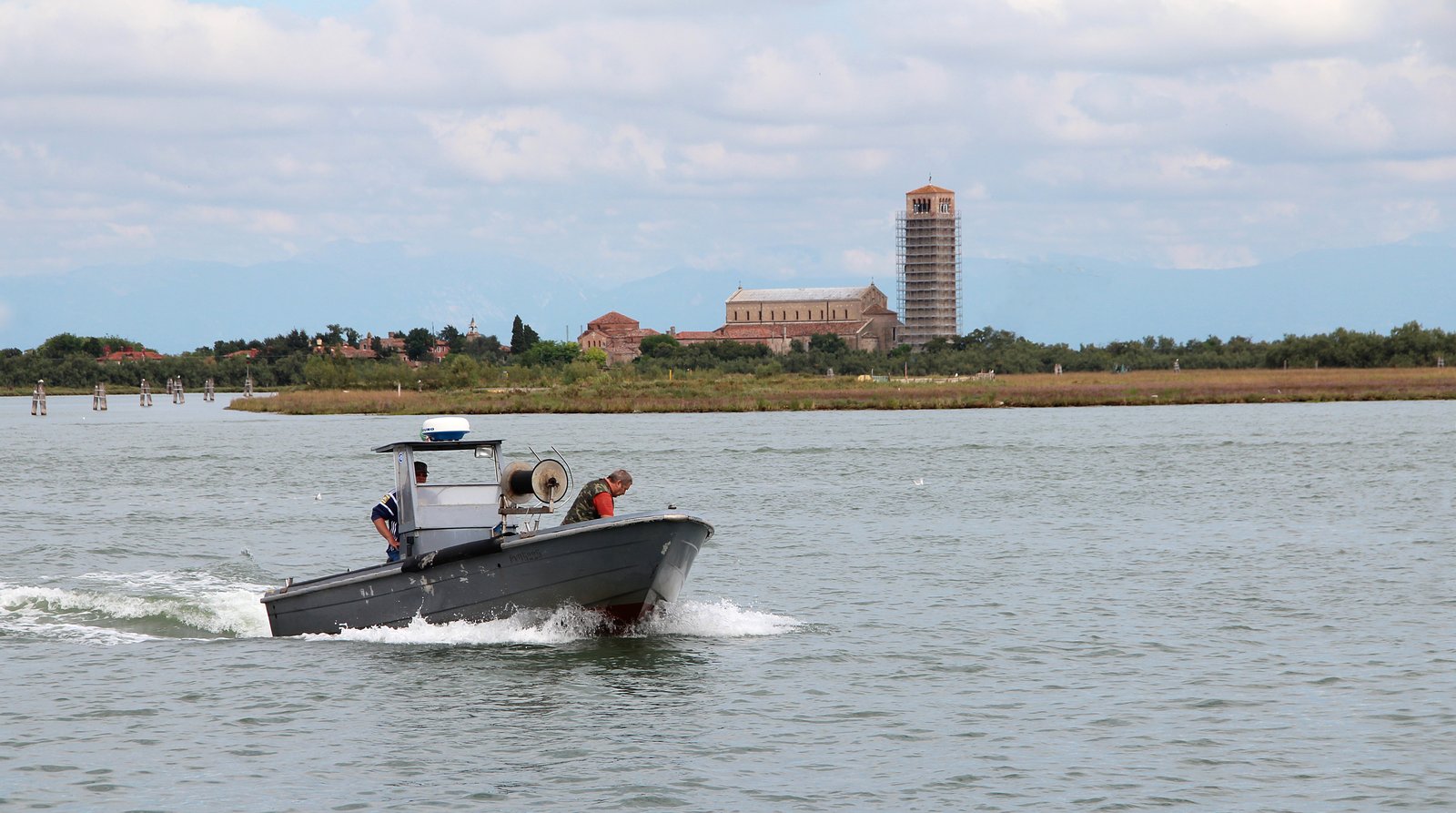
Three northern lagoon islands, each built around a different trade, and how to visit each one without rushing.
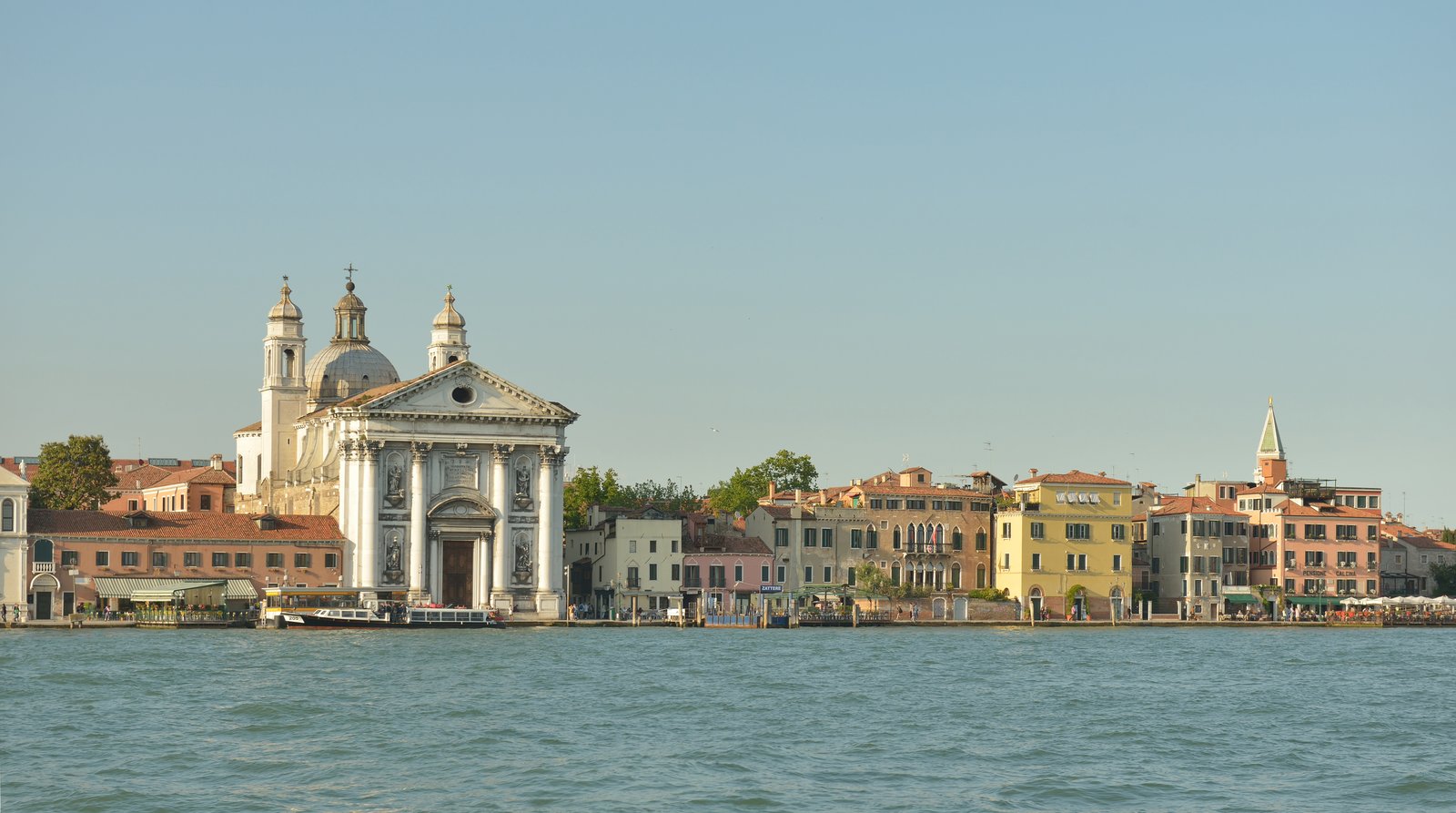
A former industrial island turned residential quarter, a short crossing from Zattere.
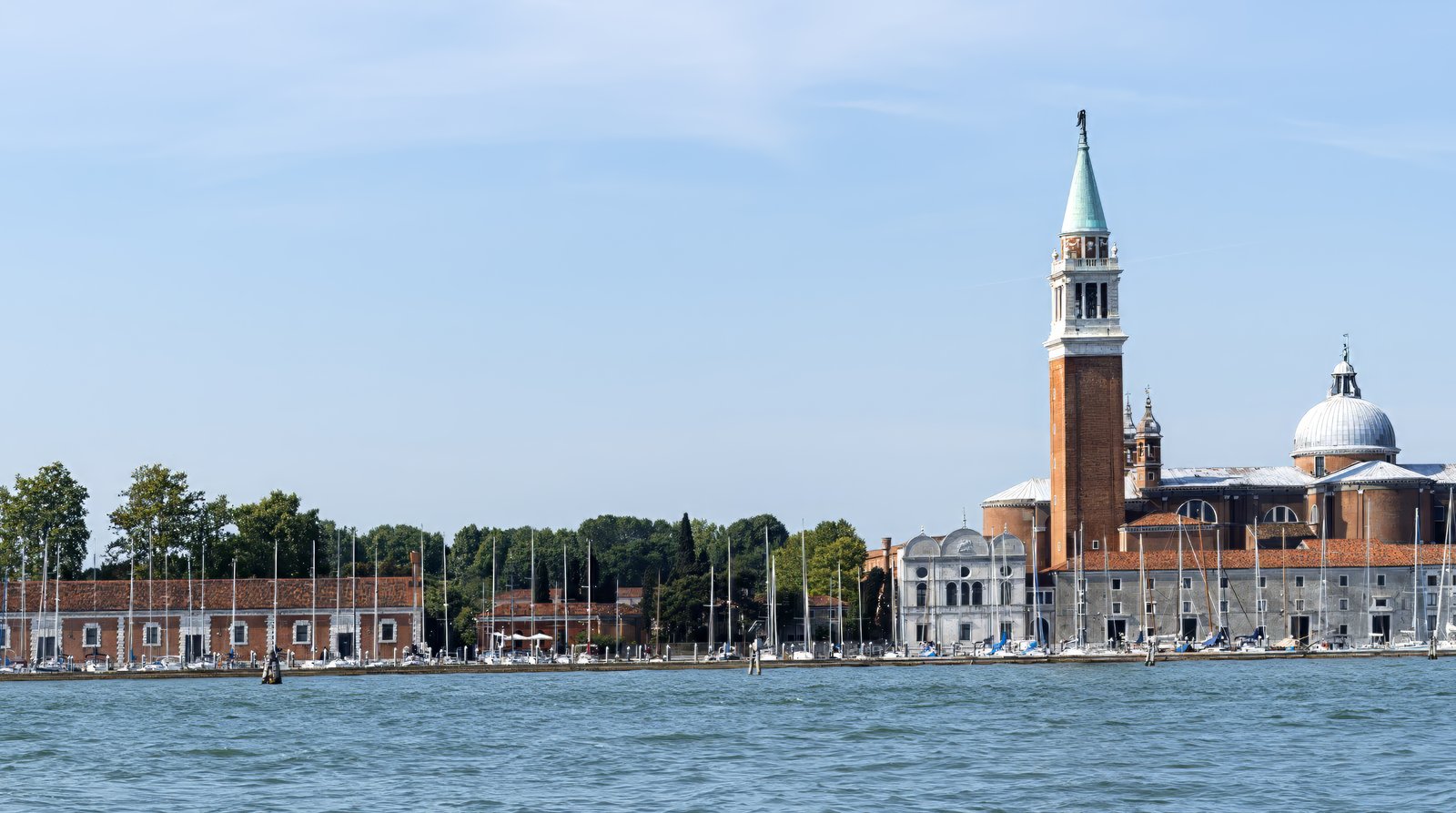
A small island facing San Marco, built around Palladio's church and a Benedictine monastery.
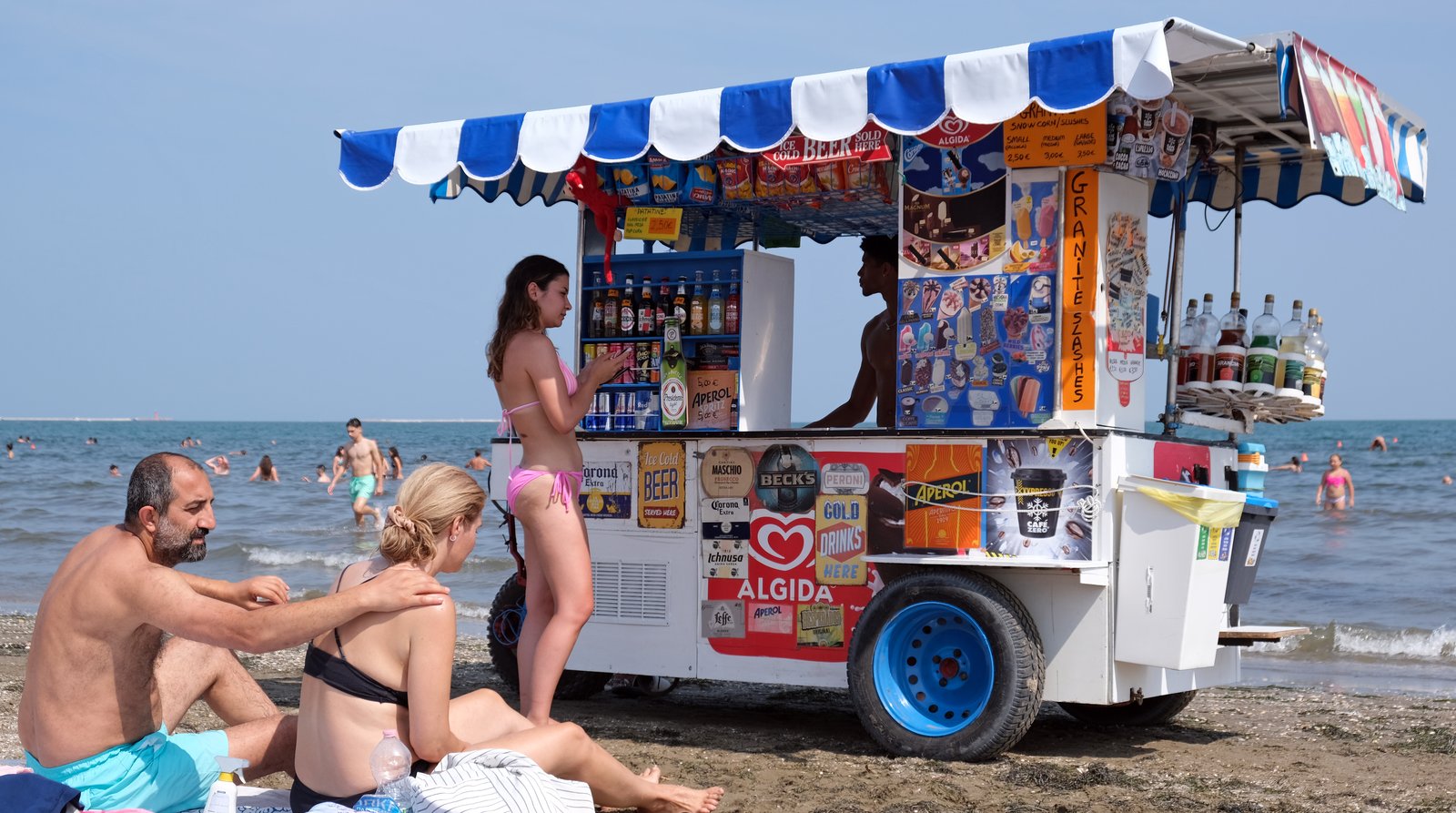
Cars, cinemas and a sandy Adriatic beach — the one part of the lagoon that runs on different rules.
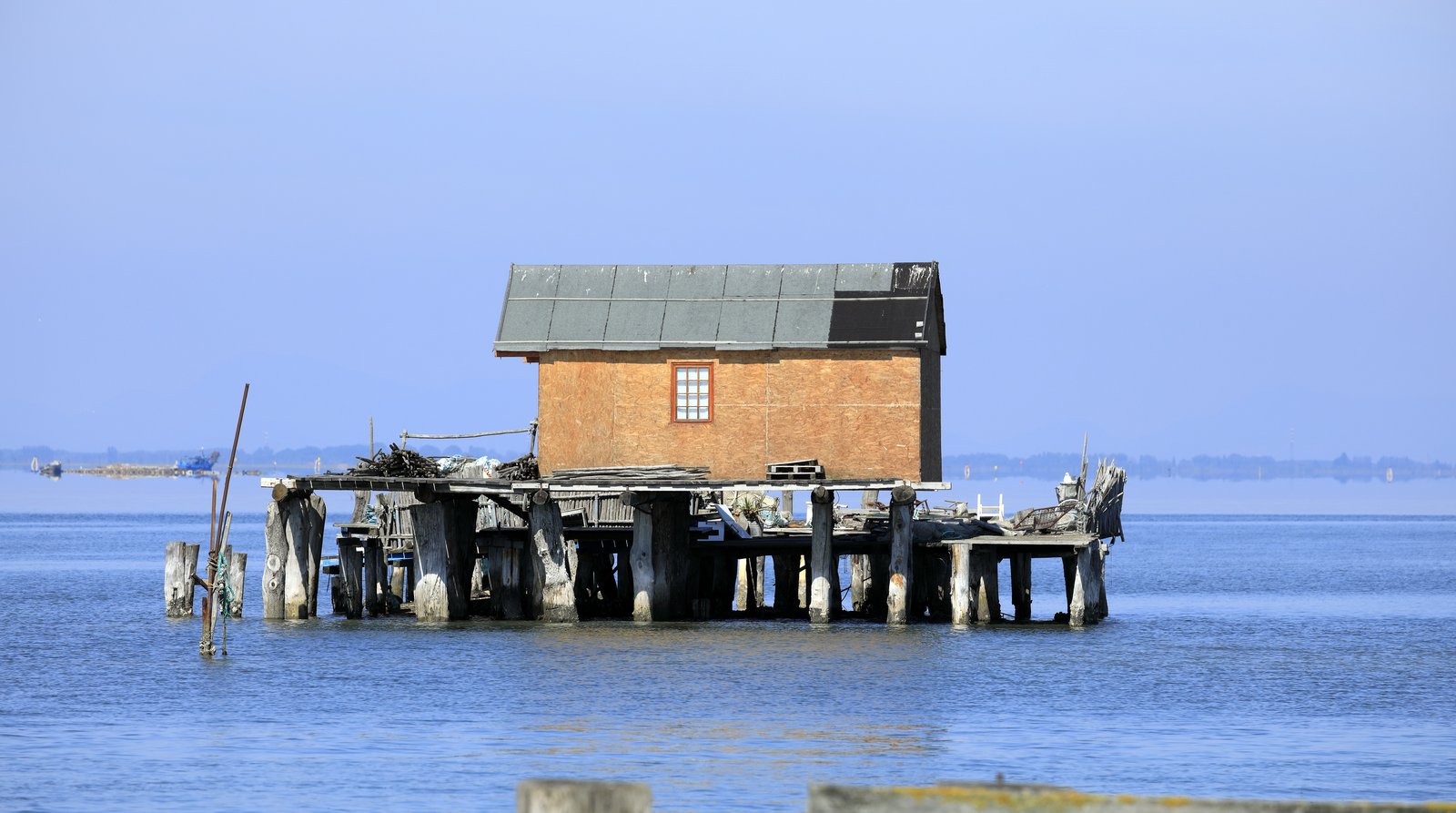
A narrow fishing island protected by a Republic-era sea wall, largely untouched by tourism.
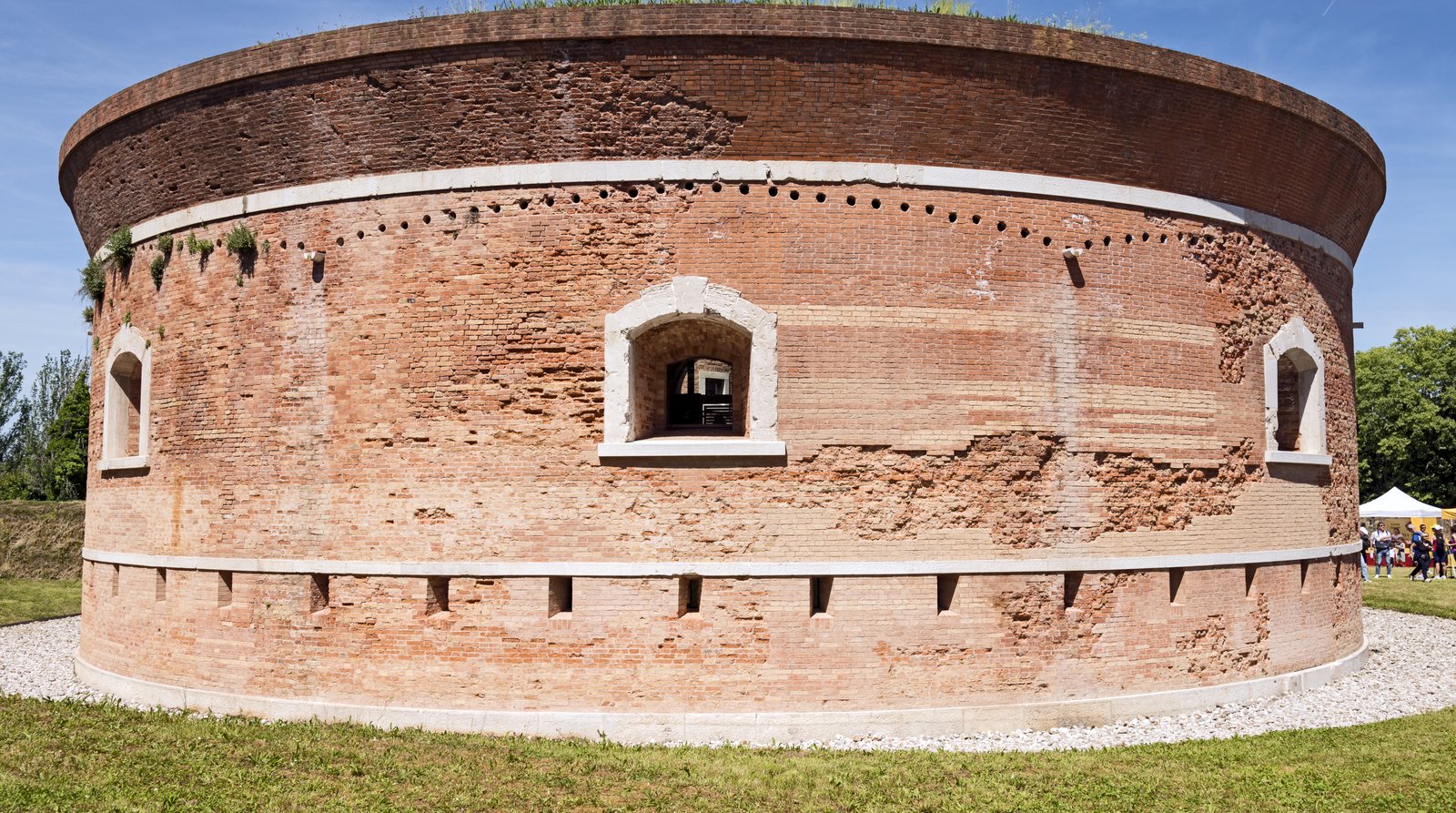
The lagoon's largest agricultural island, and the source of much of Rialto Market's produce.
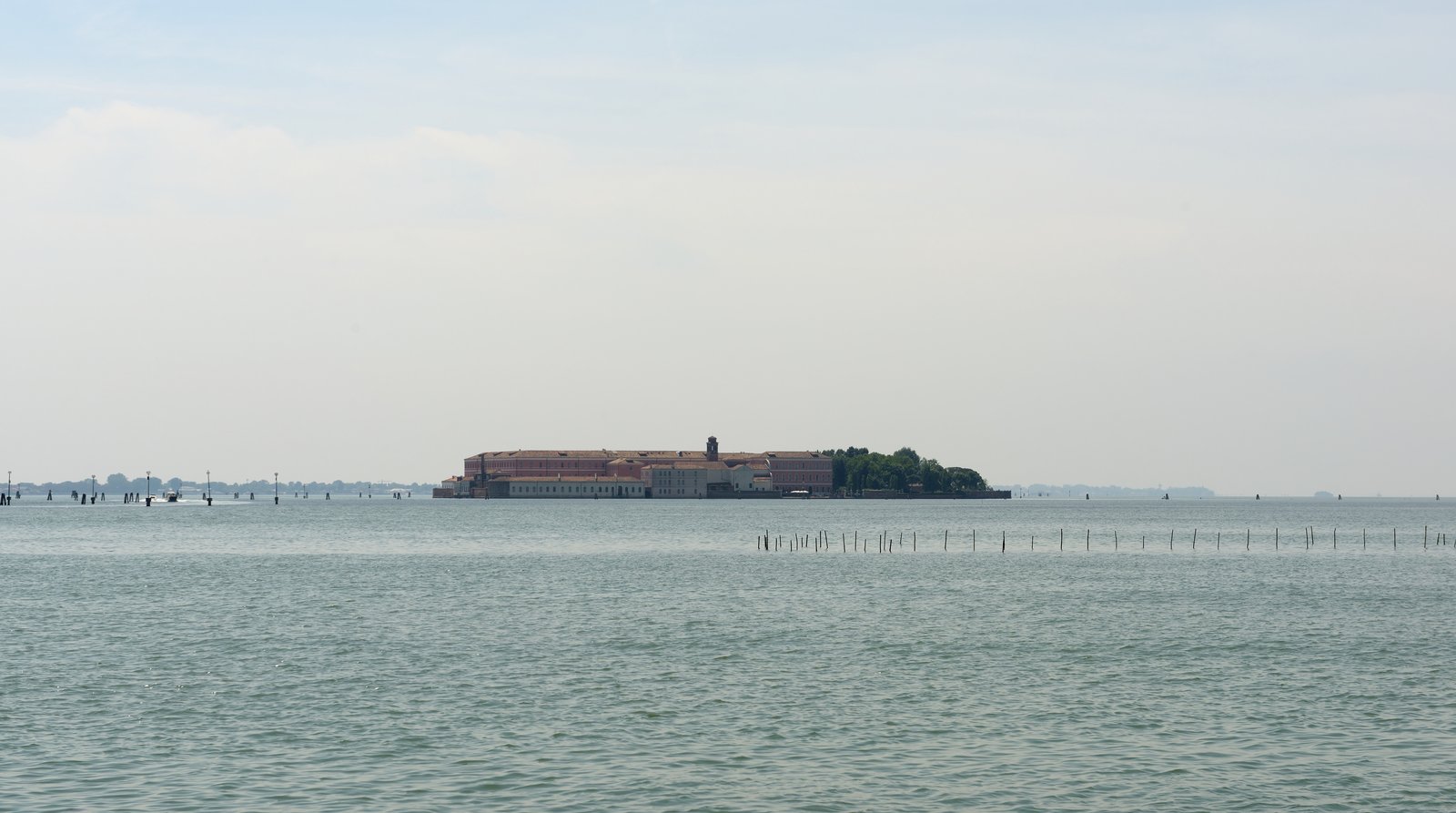
A wooded island with eight centuries of monastic, medical and military history.
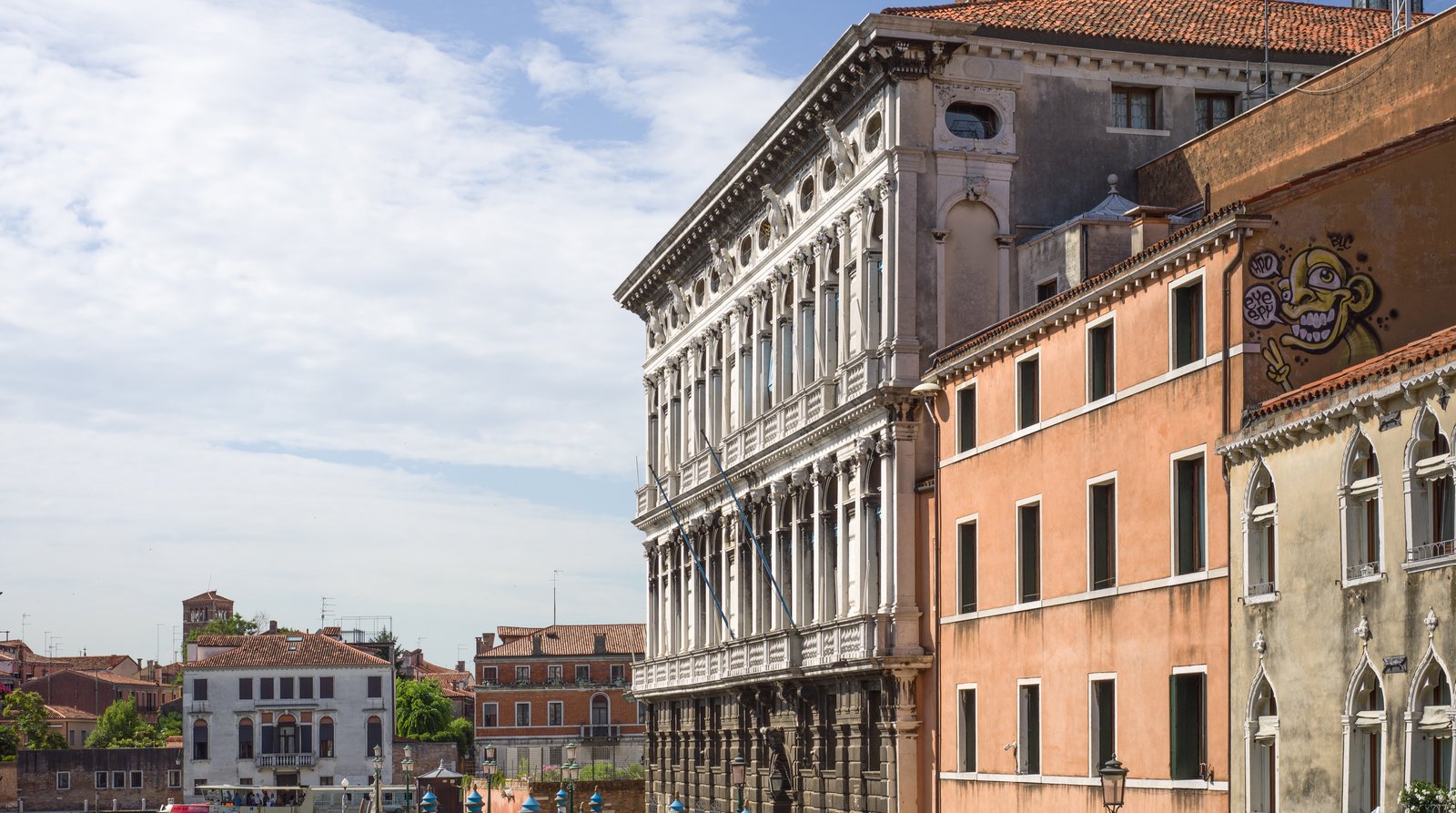
Before the day-trip crowds arrive, Cannaregio still belongs to the people who live there.