
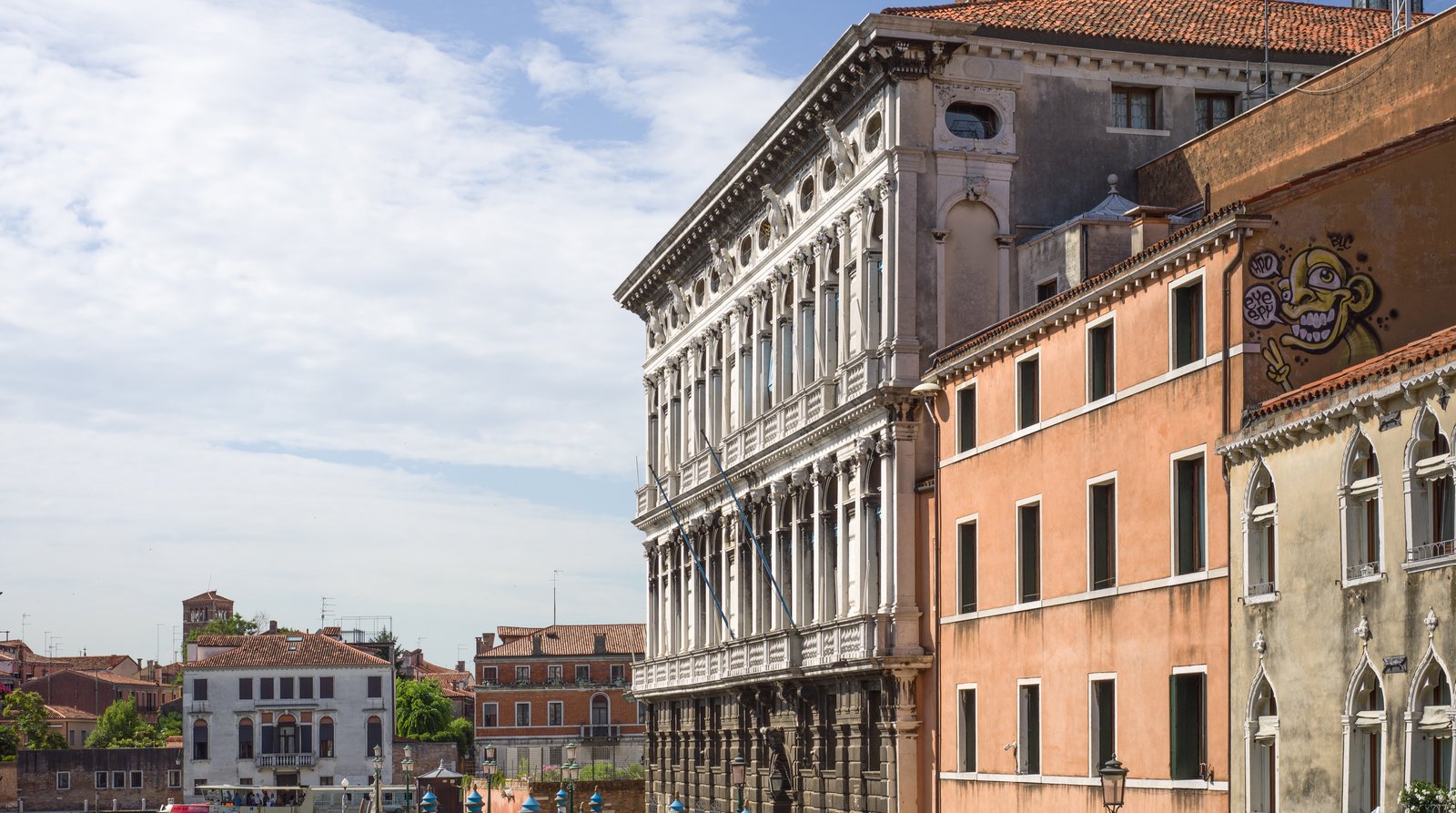
In brief
Cannaregio is Venice's northernmost sestiere and its most populous, home to roughly a quarter of the historic centre's residents. Walked between roughly 6.30 and 9am, before day-trip crowds arrive from the station and cruise terminals, its canals, the Strada Nova and the Venetian Ghetto reveal a residential rhythm — deliveries, shutters opening, church bells — largely invisible later in the day.
At a glance
- Location
- Northern sestiere, from the railway station to the northern lagoon shore
- Best for
- An unhurried, low-crowd walk; residential Venice; the Venetian Ghetto
- Time needed
- 2–3 hours for the full route
- Getting around
- Entirely on foot from Santa Lucia station or Fondamente Nove
- Access note
- Most cafés along the route open by 7am; museum and synagogue visiting hours start later, mid-morning
- Last checked
- August 2026
Why early morning changes Cannaregio completely
Venice's daily visitor patterns are strongly time-bound: cruise passengers and coach-borne day-trippers arrive mid-morning and clear out by early evening, concentrating pressure on a predictable window. Cannaregio, as the sestiere directly connected to Santa Lucia railway station, absorbs a significant share of that flow along its main thoroughfares — but for roughly two hours after sunrise, before those routes fill, the sestiere runs on entirely different rhythms: delivery boats unloading at fondamente, shopkeepers rolling up shutters, older residents on their way to the first mass or the first coffee.
Starting at the station and the Grand Canal's edge
Leaving Santa Lucia station early, before the Calatrava bridge crowds build, the Fondamenta Santa Lucia and the Grand Canal's edge are unusually calm — vaporetti running near-empty, the water still and pale before the day's boat traffic churns it. Turning north off the Grand Canal into Cannaregio's interior almost immediately changes the acoustic and visual texture of the walk: narrower calli, laundry lines, and far fewer wheeled suitcases.
The Strada Nova, before it becomes a corridor
Strada Nova, cut through Cannaregio's dense fabric in the 1870s to give the new railway station a direct route toward the Rialto, is one of the widest streets in Venice and, by mid-morning, one of the most congested with foot traffic headed the same way. Early, it functions as intended for residents: a market street, with fruit and vegetable stalls, bakeries and a hardware shop or two opening in sequence, offering a far better sense of the street's original civic purpose than the through-traffic crush it becomes a few hours later.
Into the Ghetto before the museum opens
A short detour off Strada Nova leads to the Campo del Ghetto Nuovo, the site of the world's first officially designated Jewish ghetto, established by Venetian Republic decree in 1516 confining the city's Jewish population to this area, with gates locked at night. The word "ghetto" is widely believed to derive from the Venetian term for the foundry (geto) previously located on the site. Before the Jewish Museum of Venice opens for the day, the campo itself — flanked by unusually tall buildings, a consequence of the strict spatial limits historically imposed on the area — is quiet enough to take in the two active synagogues' exteriors and the memorial reliefs commemorating Holocaust deportations without the flow of a guided tour group passing through.
Side canals off the main route
Beyond the marked path between the station and the Ghetto, Cannaregio's side canals reward a slower, less linear walk. The Rio della Sensa and Rio di San Girolamo, both a short detour north of Strada Nova, run past modest residential buildings with none of the grandeur of the Grand Canal's palazzi but a far more accurate sense of ordinary Venetian housing stock — narrower facades, shared courtyards, small boats used for genuine daily transport rather than tourism. Early in the morning these canals are near-silent except for the occasional delivery boat easing past moored vessels, and the light along their north-south orientation tends to catch building facades in a way that changes noticeably within the space of thirty minutes after sunrise.
The Fondamenta della Misericordia, empty before evening
By night, the Fondamenta della Misericordia and Fondamenta degli Ormesini are Cannaregio's busiest stretch of bars and cicchetti spots. At dawn, the same canal-side path is nearly silent, giving an unobstructed view of the water, the moored boats and the building facades that the evening crowds, understandably, don't leave much room to notice.
What to bring, and what to skip
An early Cannaregio walk needs little preparation beyond comfortable shoes and, depending on the season, a coat against the lagoon's morning chill even in summer, when humidity off the water can make early hours cooler than the forecast suggests. It is worth resisting the temptation to pack the route with stops at attractions that don't open until later — the Ca' d'Oro, for instance, a Gothic palazzo on the Grand Canal now housing the Galleria Giorgio Franchetti, is worth seeing but only opens mid-morning, and trying to fit it into a pre-9am walk means either waiting outside or rushing past it. Better to treat the early hours purely as a walking and looking exercise, and save ticketed sights for a return visit once the sestiere has properly woken up.
Finishing at the northern lagoon shore
The walk's natural endpoint is the Fondamente Nove, Cannaregio's northern edge facing the open lagoon toward Murano and San Michele, Venice's cemetery island. Arriving here as the first vaporetti to Murano and the northern islands begin loading gives a practical option to continue the morning outward into the lagoon, or to simply sit facing the water as the city properly wakes up behind you.
A route worth repeating in different seasons
Cannaregio's dawn light changes meaningfully across the year, and the walk rewards repetition rather than a single visit. Winter mornings bring a low, slanting light and near-total silence, with acqua alta occasionally reshaping the route entirely, raised walkways appearing along Strada Nova when tides run high. Summer dawns arrive earlier and warmer, with the sestiere's residents already active — bakers, market stallholders, the first churchgoers — well before 7am. Neither version is more authentic than the other; they simply show different facets of the same working neighbourhood, which is reason enough to treat this as a walk worth returning to rather than a box to check once.
Is an early start in Cannaregio actually worth it?
For anyone who has already seen San Marco and wants a genuine sense of how Venice's largest resident population actually lives, yes — the same streets that feel like a stage set by noon feel entirely different, and considerably more honest, in the two hours after sunrise.
Sources
- Comune di Venezia — sestiere population and municipal historical records
- Jewish Museum of Venice — history of the Venetian Ghetto
- ACTV / Venezia Unica — vaporetto routes and daily traffic patterns
This article was independently researched and produced. No payment, complimentary service or editorial approval was provided by the places mentioned.