
In brief
The Venetian spritz, originating in the 1920s, blends Select aperitif with Prosecco and sparkling water, reflecting local culture and tradition. This cocktail has evolved over the years, adapting to contemporary tastes while maintaining its Venetian roots.
At a glance
- Where
- Venice, Italy
- Best for
- Cultural exploration and local flavors
- Time needed
- 1-2 hours
- Access/cost
- Free to explore bars; drinks vary in price
- Last checked date
- August 2026
The Birth of the Spritz
The Venetian spritz, a cocktail representing the essence of Venetian social life, has its origins in the 1920s. It was developed in Venice, where the original recipe, known as spritz veneziano, utilized Select, a bitter aperitif crafted by the Pilla brothers. The drink was created during a time of post-war rejuvenation, quickly gaining popularity among both locals and tourists.
A Unique Blend
Traditionally, the spritz consists of a harmonious mix of Select, Prosecco, and a splash of sparkling water. This combination results in a refreshing beverage that captures the vibrant spirit of Venice. While the Aperol Spritz has emerged as a widely recognized variant, true aficionados often prefer the original recipe, appreciating its unique flavor profile that highlights the bitter notes of Select.
Cultural Significance
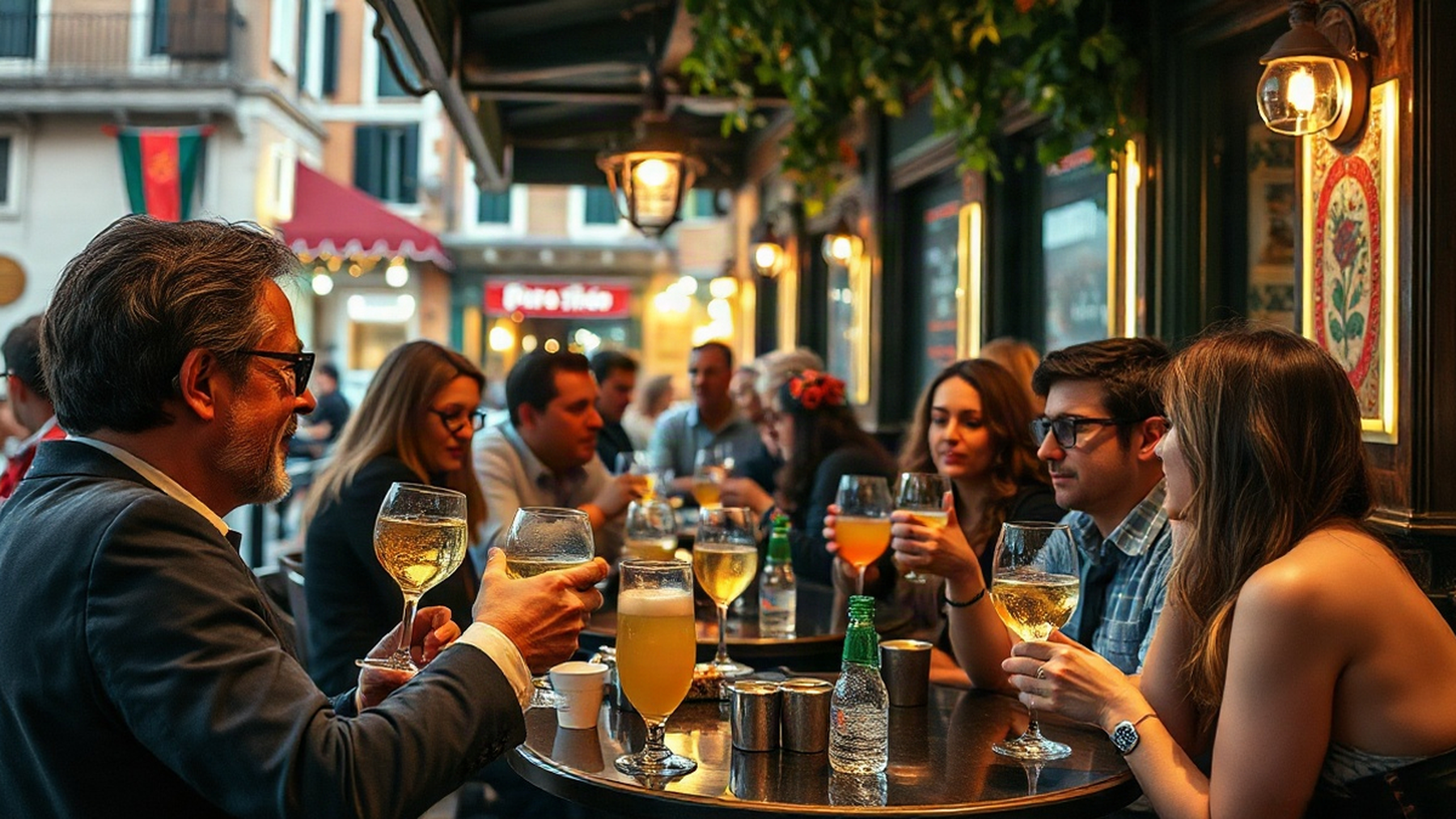
The spritz is more than just a drink; it represents the social fabric of Venetian culture. Often enjoyed during aperitivo, a cherished pre-dinner tradition, the spritz serves as a social lubricant, bringing together friends and families in lively squares or quaint bars. The act of sipping a spritz is interwoven with the daily life of Venetians, embodying the city’s communal spirit and love for gathering over good drinks and food.
Modern Variations
In recent years, the spritz has evolved, with various interpretations emerging across Venice. Bartenders experiment with different spirits, bitters, and garnishes, allowing for a delightful exploration of flavors while still adhering to the foundational elements of the drink. Contemporary variations may include local ingredients, reflecting the creativity of Venice's burgeoning cocktail scene.
Where to Enjoy
To savor an authentic spritz, visitors should explore local bars throughout Venice, particularly in neighborhoods such as Dorsoduro and Cannaregio. These areas offer an unpretentious atmosphere where one can truly appreciate the local culture. Some notable bars include Osteria Alla Madonna and Al Squero, both renowned for their quality spritzes. Many patrons enjoy their drinks alongside cicchetti, traditional Venetian tapas that perfectly complement the spritz experience.
Conclusion
The Venetian spritz stands as a testament to the city’s rich cultural heritage and social traditions. From its humble beginnings in the 1920s to its modern-day iterations, the spritz continues to be a beloved symbol of Venetian life. Whether enjoyed in a bustling bar or a quiet square, sipping a spritz is an experience that invites both locals and visitors to partake in the vibrant social tapestry of Venice.
The Evolution of Spritz Recipes
As the Venetian spritz has gained popularity beyond its origins, numerous adaptations have emerged. The traditional recipe has inspired bartenders to incorporate a variety of ingredients that reflect personal creativity while still paying homage to the original. For instance, while Select remains the classic choice, some contemporary variations utilize Aperol or Campari, which lend a sweeter or more bitter profile to the drink. This flexibility allows patrons to personalize their spritz experience based on individual taste preferences. Additionally, seasonal ingredients such as fresh herbs, fruits, or even flavored syrups are increasingly being added, enabling a fresh take on this timeless cocktail.
Sipping Culture and the Aperitivo Tradition
The spritz is inextricably linked to the Venetian practice of aperitivo, a cherished ritual that involves socializing over drinks before dinner. This tradition is not merely about the beverage itself but encompasses the entire experience of gathering with friends and family in the early evening. During aperitivo hours, bars and eateries fill with laughter and conversation, as patrons enjoy their spritz alongside an array of cicchetti. These small plates, which can include anything from marinated olives to seafood snacks, enhance the enjoyment of the spritz, creating a delightful pairing that showcases Venetian culinary culture.
Regional Variations and Global Influence
While the Venetian spritz remains a beloved local staple, its influence has extended to various regions in Italy and even internationally. In places like Treviso and Bologna, variations of the spritz have surfaced, often featuring locally sourced ingredients or unique twists that reflect regional tastes. These adaptations highlight the spritz's versatility and its ability to transcend local traditions. Globally, the cocktail has gained traction in trendy bars, where it is often featured on drink menus, showcasing its appeal to a broader audience. The rise of the spritz in international cocktail culture underscores its status as a symbol of conviviality and celebration.
Bar Etiquette and Enjoying the Spritz
To fully embrace the spritz experience, understanding the local bar etiquette is essential. In Venice, it is customary to order your drink at the bar and enjoy it standing rather than sitting. This practice encourages mingling and social interaction, allowing patrons to engage with both locals and fellow travelers. It is also common to order cicchetti to accompany your spritz; sharing these small bites is a significant aspect of the social experience. When attending a busy bar, be prepared for a lively atmosphere and perhaps a bit of a wait, which is all part of the charm of enjoying the spritz in its native setting. Engaging with the bartenders and asking for recommendations can also enhance the experience, providing insights into the best combinations or variations available.
The Venetian spritz, originating in the 1920s, blends Select aperitif with Prosecco and sparkling water, reflecting local culture and tradition. This cocktail has evolved over the years, adapting to contemporary tastes while maintaining its Venetian roots. Venice, Italy The Venetian spritz, a cocktail representing the essence of Venetian social life, has its origins in the 1920s. It was developed in Venice, where the original recipe, known as spritz veneziano, utilized Select , a bitter aperitif crafted by the Pilla brothers. The drink was created during a time of post-war rejuvenation, quickly gaining popularity among both locals and tourists.Frequently asked questions
What is “Unveiling the Venetian Spritz: A Cultural Journey” about?
What is the key fact about “Unveiling the Venetian Spritz: A Cultural Journey”?
What should readers know about “The Birth of the Spritz”?
Sources
- “Spritz (cocktail),” Wikipedia. Source link
- “Select (apéritif),” Wikipedia. Source link
This article was independently researched and produced. No payment, complimentary service or editorial approval was provided by the places mentioned.