
In brief
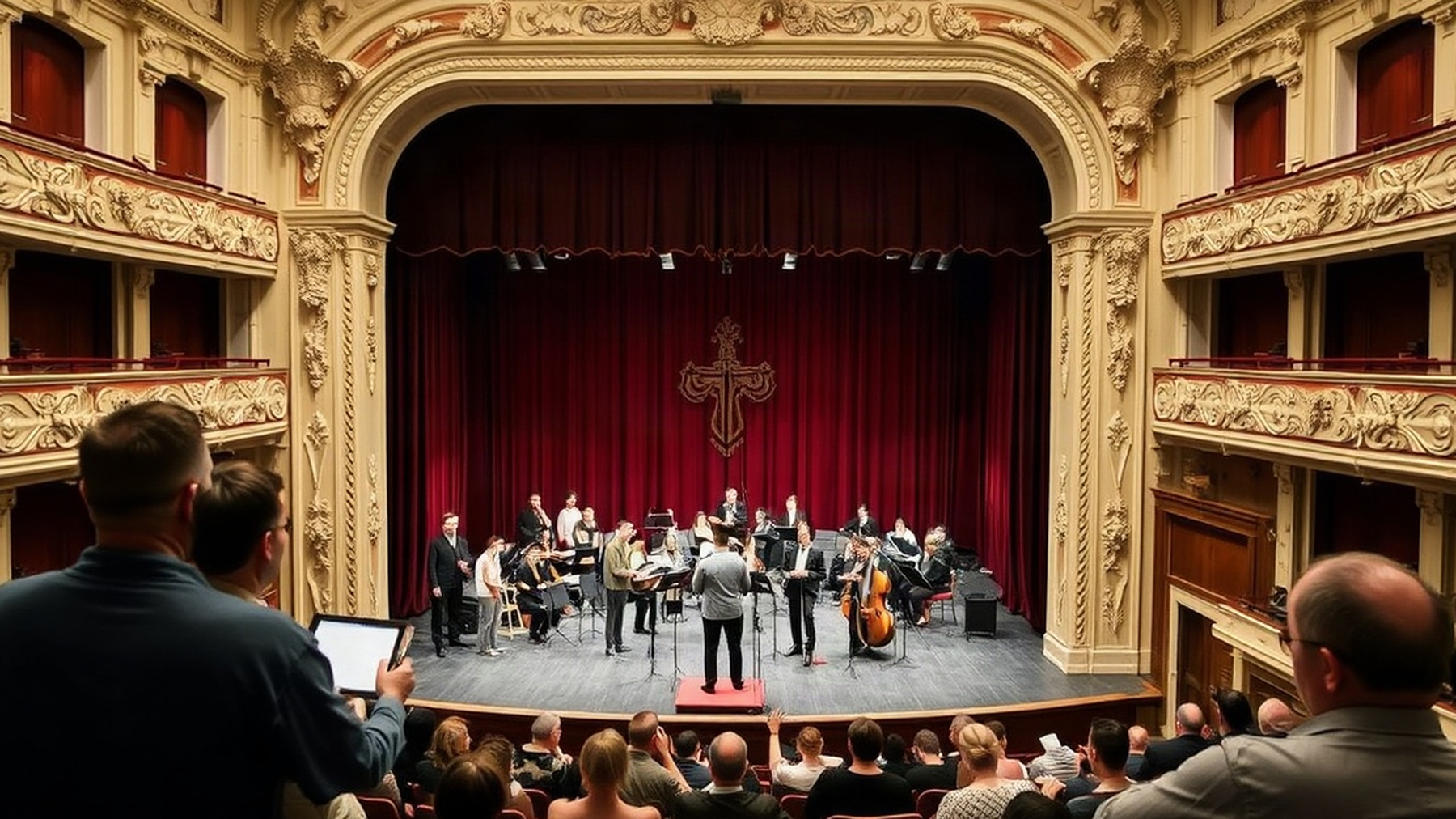
In December 2023, Teatro La Fenice unveiled its meticulously restored stage, merging traditional craftsmanship with modern enhancements for an enriched acoustic experience.
At a glance
- Location
- Teatro La Fenice, Venice
- Best for
- Opera enthusiasts, cultural explorers
- Time needed
- 2-3 hours
- Access/Cost
- Tickets vary based on event
- Last checked date
- August 2026
A Legacy Rebuilt
Teatro La Fenice, a cornerstone of Venice's cultural identity, has undergone a meticulous restoration of its stage, officially unveiled in December 2023. This restoration is not merely cosmetic; it represents a commitment to preserving the theatre's rich history while embracing modern advancements. Since its reopening in 2003, after being devastated by fire in 1996, the theatre has been a symbol of resilience and artistic passion, showcasing the ability to adapt and thrive.
Tradition Meets Technology
The recent restoration of La Fenice's stage has blended traditional craftsmanship with cutting-edge acoustic technology. The goal was to enhance the auditory experience while maintaining the aesthetic qualities that have captivated audiences for centuries. This delicate balance has been achieved through the incorporation of modern stage equipment and the installation of an orchestra shell, which improves sound quality and audience engagement. The orchestra shell, in particular, allows for better sound projection, ensuring that every note resonates clearly throughout the auditorium.
The Art of Acoustics
The acoustics of La Fenice have long been praised for their unique characteristics. A recent study highlighted the theatre's exceptional sound quality, which has been further refined in this restoration. The enhanced reverberation and sound coupling are designed to bring the audience closer to the performance, creating an immersive experience that resonates with both seasoned opera lovers and newcomers. The careful design of the stage space allows for greater interaction between performers and the audience, a crucial aspect of any live performance. The restoration team paid close attention to the acoustical behavior of the theater, ensuring that it not only meets modern standards but also retains its historical sound signature.
A Glimpse into the Future
As La Fenice moves forward, it continues to honor its past while preparing for a vibrant future. The reopening of the canal entrance allows patrons to arrive by gondola, a nod to the theatre's historical connection to the waterways of Venice. This restoration not only preserves the physical structure of the theatre but also revitalizes its role as a hub for cultural exchange and artistic expression. The theatre is now equipped with enhanced facilities that cater to both performers and audiences, ensuring it remains a premier destination for the arts.
Events and Performances
Teatro La Fenice hosts an array of performances throughout the year, making it a must-visit destination for anyone interested in the arts. Visitors can check the official calendar for upcoming events, ensuring that their experience at this iconic venue is unforgettable. Each performance is an opportunity to witness the synergy of history and innovation in a setting that has inspired generations of artists. With its rich calendar of operas, concerts, and ballets, La Fenice continues to be a beacon of cultural life in Venice.
Conclusion
The restoration of Teatro La Fenice is a testament to the enduring spirit of Venice and its commitment to the arts. By marrying tradition with innovation, the theatre not only preserves its historical essence but also enhances the overall experience for its patrons. As it continues to host world-class performances, La Fenice remains a vital part of Venice's cultural landscape, inviting everyone to witness the magic of opera in a setting that is both timeless and modern.
Historical Significance of Teatro La Fenice
Teatro La Fenice, which translates to "The Phoenix Theatre," has a rich history dating back to the late 18th century. The theatre was originally inaugurated in 1792 and quickly became a prominent venue for opera in Italy, hosting compositions by legendary figures such as Giuseppe Verdi and Giacomo Puccini. Its name symbolizes rebirth and resilience, reflecting the theatre's ability to rise from the ashes of various misfortunes, including fires and renovations, which have shaped its unique character over the centuries.
Throughout its history, La Fenice has been a critical player in the cultural life of Venice and has influenced opera performance styles across Europe. The theatre's design, a collaboration of various architects through its iterations, showcases the grandeur typical of Italian opera houses, with ornate decorations and a striking chandelier that adds to the visual splendor of performances.
Community and Cultural Engagement
Teatro La Fenice also plays a significant role in fostering community engagement and cultural exchange. In addition to hosting world-class performances, the theatre actively participates in outreach programs aimed at educating young audiences about the arts. Schools often organize field trips to the theatre, where students can learn about opera, music, and the history of the venue through guided tours and workshops.
The theatre's commitment to community is evident in its diverse programming, which includes not only traditional opera but also contemporary performances, concerts, and cultural events that reflect the vibrant artistic landscape of Venice. By welcoming various forms of artistic expression, La Fenice cultivates a space for collaboration among artists and audiences, reinforcing its position as a cultural hub in the city.
Visitor Experience and Accessibility
To enhance the visitor experience, Teatro La Fenice has improved its facilities to accommodate a diverse audience. The recent restoration not only focused on the stage but also included upgrades to the lobby, seating areas, and accessibility features. The theatre now offers wheelchair access, ensuring that all patrons can enjoy the performances without barriers.
Moreover, the introduction of guided tours provides an opportunity for visitors to explore the theatre's architectural beauty and learn about its storied past. These tours often include behind-the-scenes access, allowing guests to appreciate the artistry involved in stage production and the technical aspects that contribute to the acoustic excellence of the venue.
Environmental Considerations in Restoration
In line with contemporary values of sustainability, the restoration of Teatro La Fenice has incorporated environmentally friendly practices. The design team was mindful of energy efficiency during the renovation process, utilizing modern materials that contribute to better insulation and reduced energy consumption. Additionally, the installation of advanced ventilation and air conditioning systems ensures a comfortable environment for both performers and audiences.
These efforts reflect a growing awareness of the environmental impact of cultural institutions and a commitment to preserving historical sites while minimizing their ecological footprint. In this way, La Fenice not only honors its past but also embraces a future that aligns with global sustainability goals, making it a model for other historic theatres around the world.
Sources
- “Teatro la Fenice: Information and tickets for your visit,” Museos. Source link
- “Venice's La Fenice opera house is restored to its former glory,” The Guardian. Source link
This article was independently researched and produced. No payment, complimentary service or editorial approval was provided by the places mentioned.