
In brief
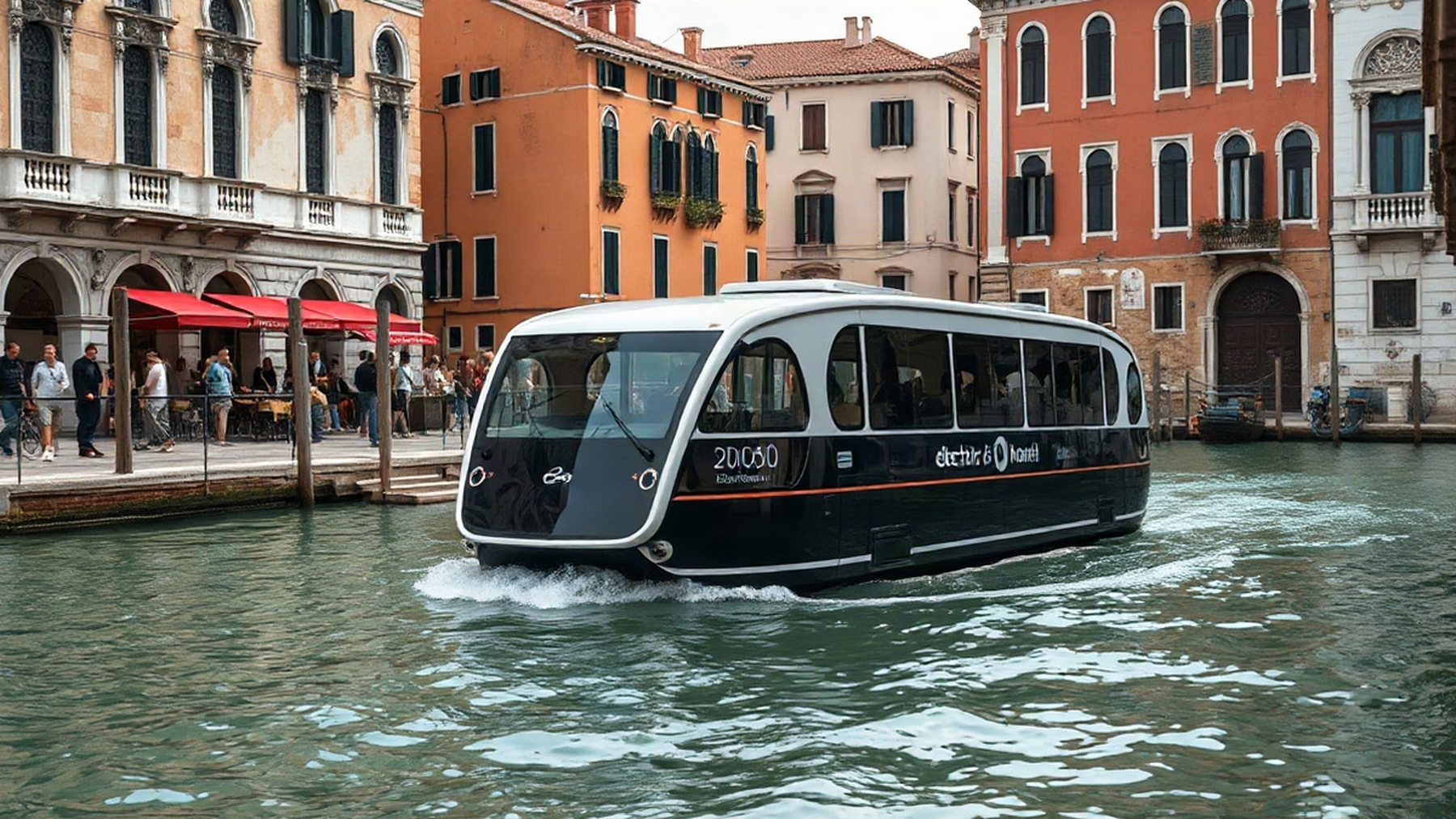
In September 2023, Venice’s city council approved an eco-mobility strategy focused on sustainable transport solutions. This comprehensive plan aims to alleviate congestion while promoting low and zero-carbon transport options in the city.
At a glance
- Where
- Venice
- Best for
- Sustainable transport enthusiasts
- Time needed
- Ongoing initiative
- Access/cost
- Public transport options available
- Last checked date
- August 2026
The Need for Change
Venice, famed for its canals and historic architecture, has faced significant challenges related to urban congestion and pollution. With growing concerns about environmental sustainability, the necessity for a strategic shift in urban mobility has become clearer. The recent approval of a comprehensive eco-mobility strategy by the Venice city council marks a crucial step toward addressing these challenges.
Overview of the Eco-Mobility Strategy
Unveiled in September 2023, this eco-mobility strategy is part of a broader initiative supported by the Toyota Mobility Foundation’s Sustainable Cities Challenge. The strategy's primary goal is to promote low and zero-carbon transport solutions while improving the integration of existing public transport systems. Venice's unique landscape—characterized by its intricate network of canals and pedestrian pathways—presents both challenges and opportunities for sustainable transport solutions.
The strategy emphasizes the importance of leveraging Venice's extensive public transport options, which include water buses, electric land vehicles, and rail services. This multi-modal approach aims to enhance connectivity and accessibility throughout the city, making sustainable transport a viable option for residents and visitors alike.
Innovative Approaches to Sustainable Transport
A key feature of this eco-mobility initiative is the introduction of new electric buses. The city plans to add 44 electric buses and deploy 90 fuel cell buses by 2026. These advancements reflect a commitment to reducing carbon emissions and improving the overall accessibility of Venice's transport network. Additionally, the strategy aims to utilize existing low-carbon transport modes to their fullest potential.
Data-driven approaches are also integral to the city's eco-mobility strategy. Initiatives like the uMove platform will integrate mobility data with city infrastructure, providing insights into the mobility patterns of residents and tourists. This data-driven understanding will facilitate informed decision-making and encourage residents to opt for more sustainable transport choices.
Engagement with the Community
Community engagement is vital for the success of the eco-mobility strategy. The Venice City Challenge has invited local innovators to contribute ideas that encourage the adoption of sustainable transport methods. This collaborative effort aims to foster a sense of ownership among residents, ensuring that the solutions developed are tailored to the unique needs of the community. By involving the populace in the planning process, the city can create a more effective and widely supported transport strategy.
Anticipating the Future
As Venice embarks on this ambitious journey toward sustainable urban mobility, the implications extend beyond transport. The eco-mobility strategy seeks to enhance the quality of life for residents, preserve the city's cultural heritage, and promote environmental sustainability. By prioritizing eco-friendly transport solutions, Venice aims to ensure that its captivating charm and unique character are preserved for future generations.
In a city where every canal and calle tells a story, the adoption of sustainable transport solutions represents a significant step toward ensuring Venice remains a vibrant, livable city. The eco-mobility strategy is poised to transform how both residents and visitors navigate the city, aligning with global trends toward sustainability and responsible urban living.
Integration of Technology in Sustainable Transport
As part of the eco-mobility strategy, Venice is embracing advanced technology to enhance its public transport systems. The integration of smart technologies allows for real-time tracking of transport services, improving the overall user experience. Passengers will be able to access information about the arrival times of water buses and electric land vehicles through mobile applications, making it easier to plan their journeys. This technological advancement is aimed at increasing the usage of public transport by providing users with reliable and immediate data.
Moreover, the city plans to implement smart traffic management systems that can optimize routes for public transport vehicles, reducing travel times and improving efficiency. By employing data analytics, the city can respond dynamically to traffic conditions, further enhancing the performance of its transport network. Such innovations not only contribute to a reduction in carbon emissions but also play a crucial role in making sustainable transport more appealing to both locals and tourists.
Encouraging Active Transportation
In addition to enhancing public transport options, the eco-mobility strategy emphasizes the importance of active transportation methods, such as walking and cycling. Venice’s pedestrian-friendly layout naturally supports these modes of transport, and the city aims to encourage residents and visitors to embrace them as viable alternatives to motorized transport. This initiative will involve the development of additional pedestrian pathways and dedicated cycling lanes to ensure safety and accessibility.
To promote active transportation, the city will also introduce bike-sharing programs that allow users to rent bicycles easily. This is particularly beneficial in a city where traditional transport options can be limited due to its unique geography. By fostering a culture of walking and cycling, Venice not only aims to reduce congestion but also to promote healthier lifestyles among its residents.
Collaboration with Local Businesses and Innovators
Collaboration with local businesses is a foundational aspect of Venice’s eco-mobility strategy. The city is actively engaging with local entrepreneurs to develop innovative solutions that align with its sustainability goals. By providing support and resources, Venice encourages startups and established businesses to create environmentally friendly transport alternatives, such as electric boats and sustainable delivery services.
This collaboration is exemplified by initiatives within the Venice City Challenge, where local innovators are invited to present their ideas aimed at enhancing sustainable transport. The challenge not only brings together creative minds but also fosters a sense of community and shared responsibility towards the environment. Such partnerships are crucial for ensuring the long-term success of the eco-mobility strategy, as they leverage local knowledge and expertise to address unique urban transport challenges.
Measuring Success and Impact
To ensure the effectiveness of the eco-mobility strategy, Venice is committed to measuring its impact through various metrics. The city plans to track reductions in carbon emissions, improvements in public transport usage, and the overall satisfaction of residents and tourists with the transport options available. Surveys and data collection will play a vital role in this assessment, providing insights into user behavior and preferences.
Regular reviews will be conducted to evaluate the progress of the eco-mobility initiatives, allowing for adjustments and improvements as necessary. This adaptive management approach ensures that Venice can respond to changing conditions and continue to evolve its transport strategy in line with best practices in sustainability.
Sources
- “Sustainable Cities Challenge Venice | TMF Sustainable Cities Challenge,” Toyota Mobility Foundation. Source link
- “Announcing the launch of the Venice City Challenge!,” Challenge Works. Source link
This article was independently researched and produced. No payment, complimentary service or editorial approval was provided by the places mentioned.