
In brief
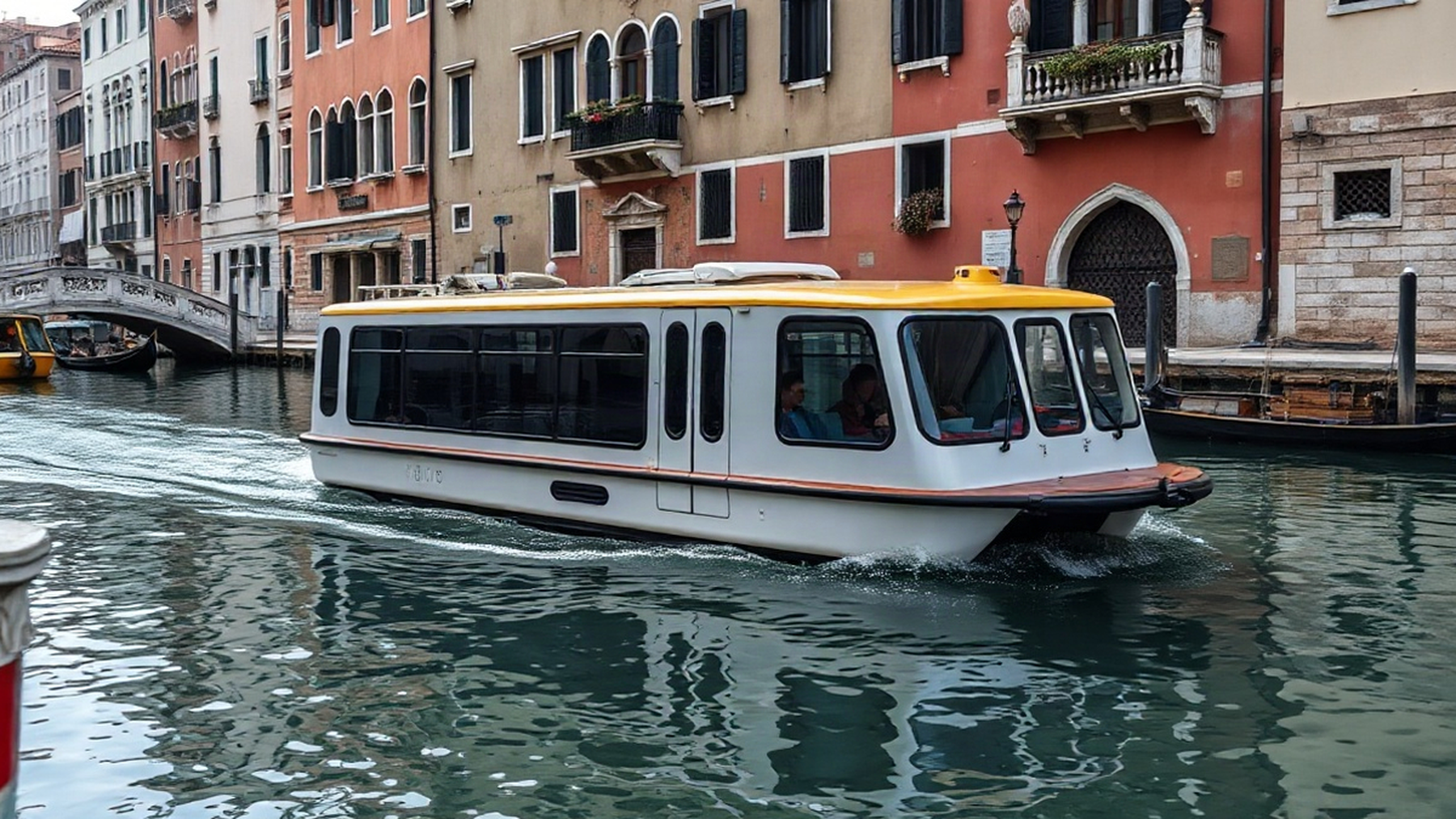
In September 2023, Venice launched its first fleet of electric waterbuses, aiming to decrease environmental impact by reducing emissions and noise pollution in its iconic canals.
At a glance
- Where
- Venice, Italy
- Best for
- Eco-friendly transport
- Time needed
- Varies by journey
- Access/cost
- Standard fares
- Launch Date
- September 2023
Venice's Commitment to Sustainable Transport
Venice, renowned for its picturesque canals and historic charm, is making significant strides towards sustainability by introducing electric waterbuses. This initiative, which began in September 2023, marks a pivotal moment in the city's efforts to reduce its environmental footprint and protect its fragile waterways.
The Environmental Impact of Traditional Waterbuses
Historically, Venice's public transport system has relied heavily on diesel-powered vaporettos, which have contributed significantly to the city's air pollution. In 2016, emissions from these vessels accounted for approximately 20% of the total NOx emissions in Venice. Recognizing the need for change, local authorities have been exploring cleaner alternatives to mitigate these environmental impacts.
Advancements in Electric Propulsion
The switch to electric waterbuses has been facilitated by advancements in technology, particularly in battery efficiency and charging infrastructure. These new vessels are equipped with state-of-the-art batteries and can recharge at strategically placed stations along their routes. This setup ensures minimal downtime and optimal energy use, aligning with the predictable schedules of Venice's water transport system.
Benefits for the Local Community and Tourists
The introduction of electric waterbuses is not only a win for the environment but also for the people of Venice and its visitors. The quieter operation of electric motors contributes to a more peaceful canal experience, enhancing the ambiance for tourists and residents alike. Furthermore, the reduction in emissions will lead to improved air quality, benefiting public health and the preservation of Venice's historical architecture.
Challenges and Future Prospects
While the transition to electric waterbuses presents numerous benefits, it also comes with challenges. The initial investment in electric technology and infrastructure is substantial. However, the long-term savings in fuel costs and environmental benefits make it a worthwhile investment. As Venice continues to innovate, other historic cities around the world may look to its example in sustainable transportation.
Conclusion: A Model for Sustainable Urban Transport
Venice's adoption of electric waterbuses is a bold step towards a greener future. By prioritizing sustainable transport solutions, the city is not only safeguarding its unique heritage but also setting a precedent for urban centers globally. This initiative serves as an inspiration for other cities striving to balance modernization with environmental stewardship.
Integration with Venice's Public Transport System
The introduction of electric waterbuses into Venice's transport network complements existing modes of public transport, including buses and trams that service the city's mainland. Venice's public transport authority, AVM, has streamlined the process by incorporating the electric waterbuses into the same ticketing and scheduling system, allowing passengers to seamlessly transition between different forms of transport. This integration is facilitated through AVM's official app, which provides real-time updates and allows for easy ticket purchases and validations. The convenience offered by this integration enhances the appeal of public transportation in Venice, encouraging more residents and tourists to opt for these eco-friendly options.
Technological Innovations Supporting Electrification
One of the key drivers behind the successful implementation of electric waterbuses in Venice is the cutting-edge technology underpinning the electric propulsion systems. The boats are equipped with advanced lithium-ion batteries that offer increased efficiency and energy density, supporting longer operational hours without the need for frequent recharging. Additionally, the strategically placed charging stations harness renewable energy sources such as solar and wind power, further reducing the carbon footprint of Venice's water transport. This smart grid integration ensures that the transition to electric waterbuses is not only sustainable but also economically viable in the long run.
Educational and Cultural Initiatives
As part of the electric waterbus initiative, Venice has launched several educational and cultural programs aimed at promoting awareness about sustainable transportation and its benefits. These initiatives include guided tours that explain the technology behind the electric waterbuses and their environmental impact, as well as workshops and exhibitions that highlight the importance of preserving Venice's unique ecosystem. Through these programs, both locals and visitors can gain a deeper understanding of how sustainable practices contribute to the conservation of Venice's cultural and historical heritage, fostering a sense of communal responsibility towards the city's future.
Potential for Future Expansion
The successful deployment of electric waterbuses has prompted discussions about further expanding the fleet to include other types of electric vessels, such as private water taxis and cargo boats. This expansion could significantly reduce the overall emissions from Venice's waterways, addressing issues such as wake erosion and congestion. By setting a precedent in sustainable waterborne transport, Venice is positioning itself as a leader in eco-friendly public transport solutions, potentially inspiring similar initiatives in other historic cities facing environmental challenges. Plans for expansion are being carefully considered to ensure that they align with Venice's preservation goals and infrastructure capabilities, demonstrating a balanced approach to modernization and environmental stewardship.
Moreover, Venice's move aligns with broader global trends in urban mobility, where cities are increasingly investing in the electrification of their transport systems. By incorporating cutting-edge technology and sustainable practices, Venice not only enhances its public transport sector but also contributes to the global effort to combat climate change. The city's commitment to integrating renewable energy sources into its transport infrastructure is a testament to its dedication to preserving both its environment and heritage for future generations.
Frequently asked questions
What is “A New Dawn for Venice's Canals: Electric Waterbuses” about?
In September 2023, Venice launched its first fleet of electric waterbuses, aiming to decrease environmental impact by reducing emissions and noise pollution in its iconic canals.
What is the key fact about “A New Dawn for Venice's Canals: Electric Waterbuses”?
Venice, Italy
What should readers know about “Venice's Commitment to Sustainable Transport”?
Venice, renowned for its picturesque canals and historic charm, is making significant strides towards sustainability by introducing electric waterbuses. This initiative, which began in September 2023, marks a pivotal moment in the city's efforts to reduce its environmental footprint and protect its fragile waterways.
Sources
- “Renewable Energy Ferry Electrification for Venice's Canals,” Hyke Electric Ferries. Source link
- “Electric waterborne public transportation in Venice: A case study,” ResearchGate. Source link
- “Venice’s newest waterbus: an electric ‘vaporetto’,” Travel Gumbo. Source link
This article was independently researched and produced. No payment, complimentary service or editorial approval was provided by the places mentioned.