
In brief
In September 2023, Venice initiated a comprehensive waste management program focused on reducing plastic pollution. This initiative engages local businesses and residents in sustainable practices and awareness efforts.
At a glance
- Where
- Venice, Italy
- Best for
- Residents and environmentally conscious tourists
- Time needed
- Ongoing initiative
- Access/Cost
- Free community workshops
- Last checked date
- September 2026
Introduction to the Initiative
In a significant move towards environmental sustainability, Venice launched a pioneering waste management initiative in September 2023. This effort aims to combat plastic pollution within the Venetian Lagoon, a crucial ecosystem facing threats from both tourism and climate change. As one of the most visited cities in the world, Venice has recognized the urgent need to address the growing issue of plastic waste, particularly as it affects both the local environment and the health of its waterways.
Collaborative Efforts
The initiative is characterized by a collaborative approach involving local businesses, residents, and various organizations, including the Plastic Smart Cities project. By fostering community engagement, the program seeks to promote awareness and action against plastic waste. Local stakeholders are encouraged to participate actively, ensuring that the initiative reflects the needs and concerns of the community.
Specific Activities
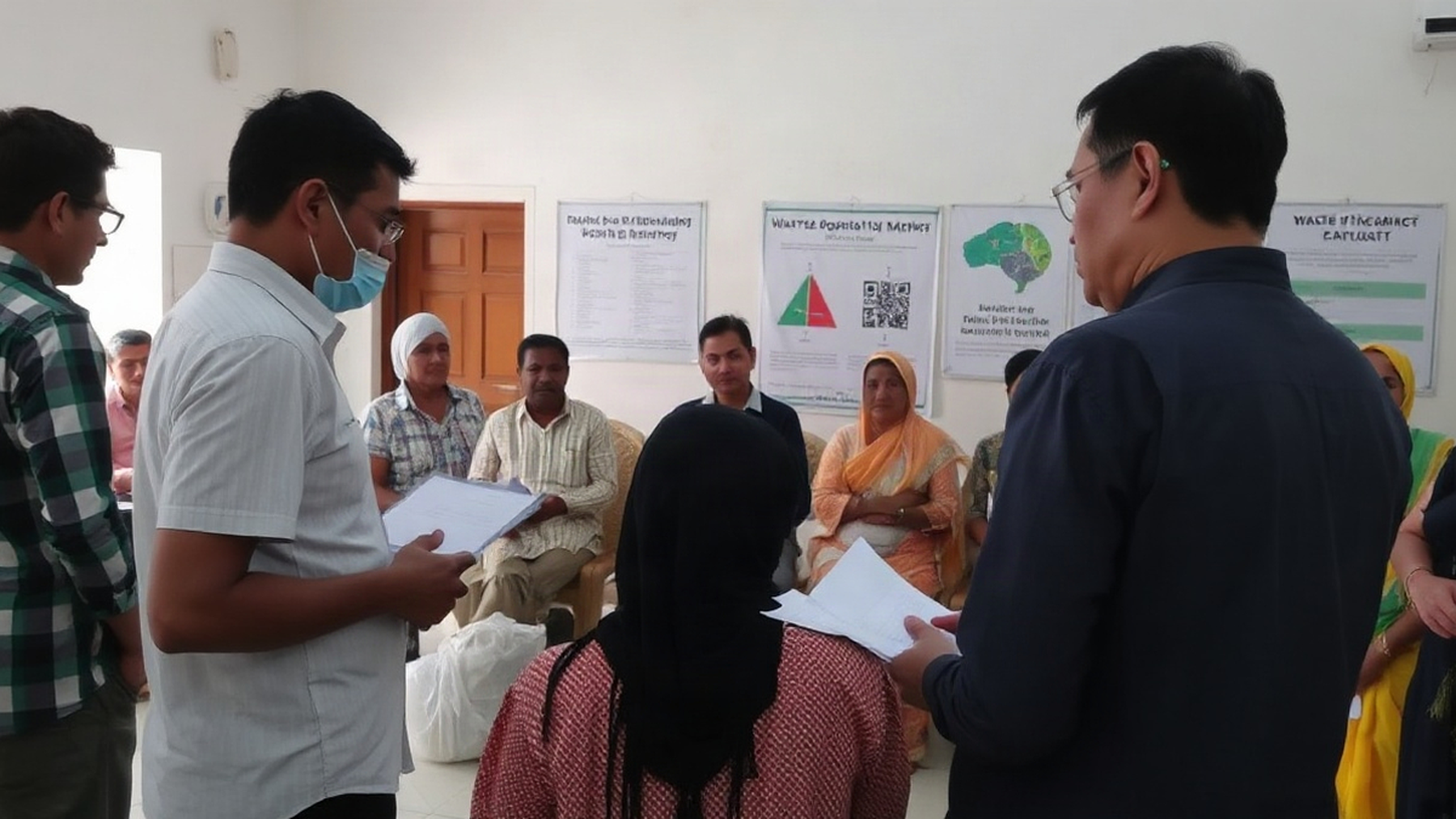
Key activities under this initiative include the organization of educational workshops, particularly targeting schools to instill environmentally friendly practices early on. These workshops aim to educate young people on the implications of plastic pollution and the importance of waste reduction. Additionally, guidelines have been developed to eliminate single-use plastics in municipal events, showcasing a commitment to sustainable planning. Public outreach efforts include information slots at select events, which highlight ongoing activities to tackle plastic leakage in the lagoon.
Monitoring and Evaluation
To ensure the effectiveness of these efforts, the initiative also includes monitoring the flow and dispersion of plastics in nature. Specific indicators have been defined to track the collection and recycling rates, providing data to assess progress over time. This data-driven approach allows for adjustments to be made as necessary, ensuring that the initiative remains responsive to the evolving challenges posed by plastic pollution.
The Role of Residents
Residents play a crucial role in this initiative. The historical center of Venice has adopted a hybrid waste collection system, combining door-to-door services with designated collection boats. This system is designed to facilitate proper waste disposal and recycling, minimizing the environmental impact. By participating in this program, residents not only contribute to a cleaner environment but also become part of a broader movement toward sustainability in their city.
Looking Ahead
As Venice continues to grapple with the challenges posed by mass tourism and environmental degradation, this waste management initiative represents a hopeful step forward. With an ambitious goal of reducing plastic pollution by 30% within two years, the program embodies a broader vision of sustainable urban living. The city aims to serve as a model for other tourist destinations struggling with similar issues, demonstrating that proactive measures can lead to significant positive outcomes for both the environment and local communities.
Conclusion
In conclusion, Venice's new waste management initiative is not just a necessary reaction to plastic pollution; it represents a shift toward a more sustainable way of living in a city that is both historic and modern. By engaging the community, providing education, and implementing effective waste management systems, Venice is setting a precedent for other cities to follow. The ongoing commitment of both residents and local organizations will be essential to the success of this initiative, ensuring that the iconic Venetian Lagoon can be preserved for future generations.
Community Involvement and Volunteer Programs
Community involvement is pivotal to the success of Venice's waste management initiative. Various volunteer programs have been established to encourage local residents and visitors to participate in cleanup efforts throughout the lagoon and surrounding areas. These programs not only help to physically remove plastic waste from the environment but also foster a sense of ownership and responsibility among participants. By engaging in these activities, volunteers gain firsthand experience of the challenges posed by plastic pollution and the importance of sustainable waste management practices. Educational sessions are often held in conjunction with these cleanups, providing participants with insights into the ecological significance of the lagoon and the impact of their efforts.
Integration with Local Businesses
Local businesses are integral to the waste management initiative, as they are encouraged to adopt sustainable practices that align with the program's goals. Many businesses have begun to implement measures such as reducing packaging waste, offering reusable alternatives, and collaborating on recycling initiatives. The program fosters partnerships between the city and local enterprises to create a cohesive approach to waste management. For instance, businesses are incentivized to participate in educational workshops and public campaigns that highlight their commitment to reducing plastic use. This collaboration not only enhances the visibility of the initiative but also promotes responsible tourism, encouraging visitors to support establishments that prioritize sustainability.
Educational Outreach Beyond Schools
While educational workshops targeting schools are a cornerstone of the initiative, outreach is extended to broader audiences as well. Adult education programs and community seminars are organized to raise awareness among residents about effective waste management and the dangers of plastic pollution. These sessions cover a variety of topics, including proper recycling techniques, the environmental impact of plastic waste, and innovative solutions to reduce personal plastic consumption. By offering resources and knowledge to various demographic groups, the initiative aims to create a well-informed community capable of making sustainable choices in their daily lives.
Collaboration with Environmental Organizations
The initiative benefits significantly from partnerships with various environmental organizations, including local non-profits focused on marine conservation and plastic pollution. These collaborations enhance the program's efficacy by leveraging the expertise and resources of specialized groups. Organizations such as Venice Lagoon Plastic Free are involved in monitoring plastic waste and conducting research to inform policy decisions. Their data collection efforts help to refine the initiative's strategies and ensure that interventions are evidence-based. Additionally, these partnerships facilitate access to funding opportunities and grant programs that can support ongoing sustainability efforts, ensuring the initiative's long-term viability.
Sources
- “Venice - Plastic Smart Cities,” Plastic Smart Cities. Source link
- “New waste collection system in Venice,” C40 Cities. Source link
This article was independently researched and produced. No payment, complimentary service or editorial approval was provided by the places mentioned.