
In brief
In September 2023, Venice's city council unveiled a climate action plan targeting rising water levels and the preservation of the lagoon's delicate ecosystem through various restoration initiatives.
At a glance
- Where
- Venice, Italy
- Best for
- Environmental protection and urban resilience
- Time needed
- Ongoing initiatives
- Access/cost
- Publicly funded
- Last checked date
- August 2026
Understanding the Climate Crisis in Venice
Venice, a city renowned for its intricate canals and historic architecture, is facing an unprecedented existential crisis due to climate change. Rising sea levels and increasingly frequent flooding events, known as 'acqua alta,' pose significant threats to the city’s structural integrity and its unique lagoon ecosystem. The delicate balance of this environment is crucial not only for the local biodiversity but also for the cultural heritage that defines Venice.
The New Climate Action Plan
In September 2023, the Venice city council introduced a comprehensive climate action plan aimed at mitigating these immediate challenges. This proactive strategy emphasizes the restoration of wetlands, which are vital for flood mitigation and enhancing the overall biodiversity of the lagoon. The plan seeks to address the urgent need for environmental resilience while ensuring the preservation of Venice's iconic status.
Key Initiatives of the Plan
The climate action plan outlines several key initiatives focused on ecological restoration and urban resilience. Among these measures is the deepening of underwater channels, a strategy supported by experts to improve water flow and reduce flooding risks. Hayley Fowler, a professor of climate change impacts at Newcastle University, notes that such interventions can significantly reduce the severity of flooding in the city.
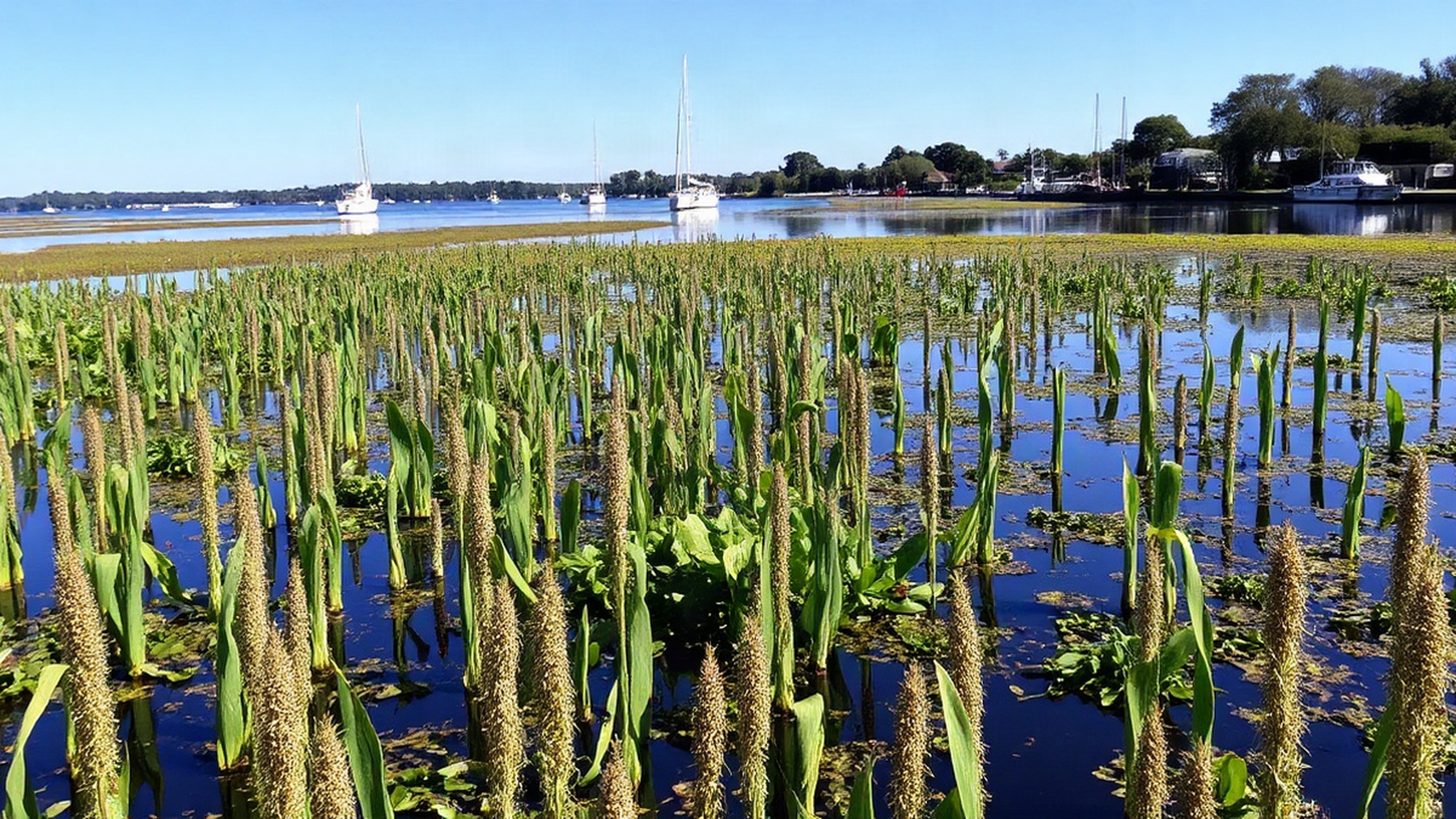
Another critical aspect of the plan is the restoration of salt marshes and other natural barriers. These environments serve as buffers that can absorb excess water during high tides, providing natural habitats for diverse wildlife. The city is also looking to implement enhanced pumping stations to manage excess water during peak flooding events, which is essential for maintaining the integrity of Venice's infrastructure.
Community Engagement and Support
For the climate action plan to succeed, active community involvement is paramount. Local residents, environmental organizations, and scientific communities are encouraged to collaborate in shaping the initiatives outlined in the plan. This collective effort aims to ensure that the actions taken align with the needs of both the inhabitants and the environment they depend on.
Public consultations and educational campaigns are being organized to raise awareness about the importance of environmental stewardship in Venice. By fostering a sense of shared responsibility, the city hopes to cultivate a culture of sustainability that empowers citizens to contribute to the overall resilience of their environment.
A Vision for the Future
As Venice grapples with the dual pressures of climate change and tourism, this new climate action plan represents a significant step toward a sustainable future. By prioritizing ecological restoration and resilience, Venice aims not only to preserve its rich cultural heritage but also to protect the intricate web of life that exists within its lagoon. The plan serves as a model for other coastal cities facing similar challenges, demonstrating that proactive measures can lead to effective solutions.
Conclusion
In conclusion, Venice's climate action plan is a crucial response to the pressing environmental challenges the city faces. Through community engagement, innovative restoration strategies, and a commitment to sustainability, Venice is taking bold steps to safeguard its future. The success of this plan will depend on the collective efforts of its citizens, local organizations, and government agencies working together to protect this iconic city and its vulnerable lagoon ecosystem.
Historical Context of Climate Challenges in Venice
Venice has long been susceptible to flooding, but the frequency and intensity of these events have escalated dramatically in recent decades due to climate change. Historical records indicate that the city has experienced flooding events since its establishment, yet the current issues are exacerbated by rising sea levels and land subsidence. The interplay between natural phenomena and human-induced factors, such as tourism and urban development, has contributed to a fragile balance in the lagoon's ecosystem.
The early 1990s saw the initiation of significant restoration projects driven by environmental concerns, particularly in response to catastrophic flooding that affected the city's infrastructure and cultural heritage. Measures such as the 'Piano Morfologico e Ambientale della Laguna di Venezia' were established to address these urgent ecological needs. This historical context is crucial for understanding the current climate action plan initiatives, as they build on decades of scientific research and community engagement aimed at preserving Venice's unique environment.
Integrating Technological Innovations
The climate action plan also emphasizes the integration of technological innovations to enhance the resilience of Venice against climate impacts. One prominent solution involves the installation of advanced water management systems, including enhanced pumping stations that efficiently remove excess water from streets and canals during high tides and heavy rainfall. These systems are crucial for maintaining the integrity of the city's infrastructure and minimizing flooding risks, particularly in densely populated areas.
Moreover, the use of smart technologies for monitoring water quality and predicting flooding events is another facet of the plan. The incorporation of real-time data collection and analysis can facilitate timely responses to environmental changes, thereby improving the effectiveness of the city’s climate strategies. This technological integration complements the ecological restoration efforts by ensuring that urban planning is informed by the latest scientific insights and environmental monitoring.
Collaborative Efforts with Local and Global Stakeholders
Successful implementation of Venice's climate action plan hinges on collaboration between local residents, governmental bodies, and international organizations. The city is actively pursuing partnerships with universities, research institutions, and environmental NGOs to foster a multi-disciplinary approach to climate resilience. These collaborative efforts aim to create a comprehensive framework that addresses both immediate flooding challenges and long-term ecological sustainability.
For example, initiatives like the WaterLANDS project focus on enhancing carbon storage and biodiversity within the lagoon through the restoration of salt marshes. Collaborations such as these highlight the importance of cross-sector engagement in addressing complex climate issues, drawing on expertise from various fields to develop holistic solutions that benefit both the environment and the local community.
The Role of Education and Awareness in Sustainability
Education plays a pivotal role in the success of Venice's climate action plan. By fostering awareness around the impacts of climate change and the importance of environmental stewardship, the city aims to empower its residents to actively participate in sustainability initiatives. Public consultations and educational campaigns are being organized to engage citizens in discussions about their environment and the actions they can take to contribute to its protection.
These initiatives are designed to cultivate a sense of shared responsibility among residents, encouraging them to adopt sustainable practices in their daily lives. This grassroots engagement is essential for ensuring that the climate action plan resonates with the community and that the commitment to sustainability extends beyond governmental efforts. Ultimately, an informed and engaged populace is crucial for the long-term success of environmental policies and initiatives aimed at safeguarding Venice's unique lagoon ecosystem.
Sources
- “The survival of Venice hinges on urgent green initiatives,” CityMonitor. Source link
- “Italy's plan to save Venice from sinking,” BBC Future. Source link
This article was independently researched and produced. No payment, complimentary service or editorial approval was provided by the places mentioned.