
In brief
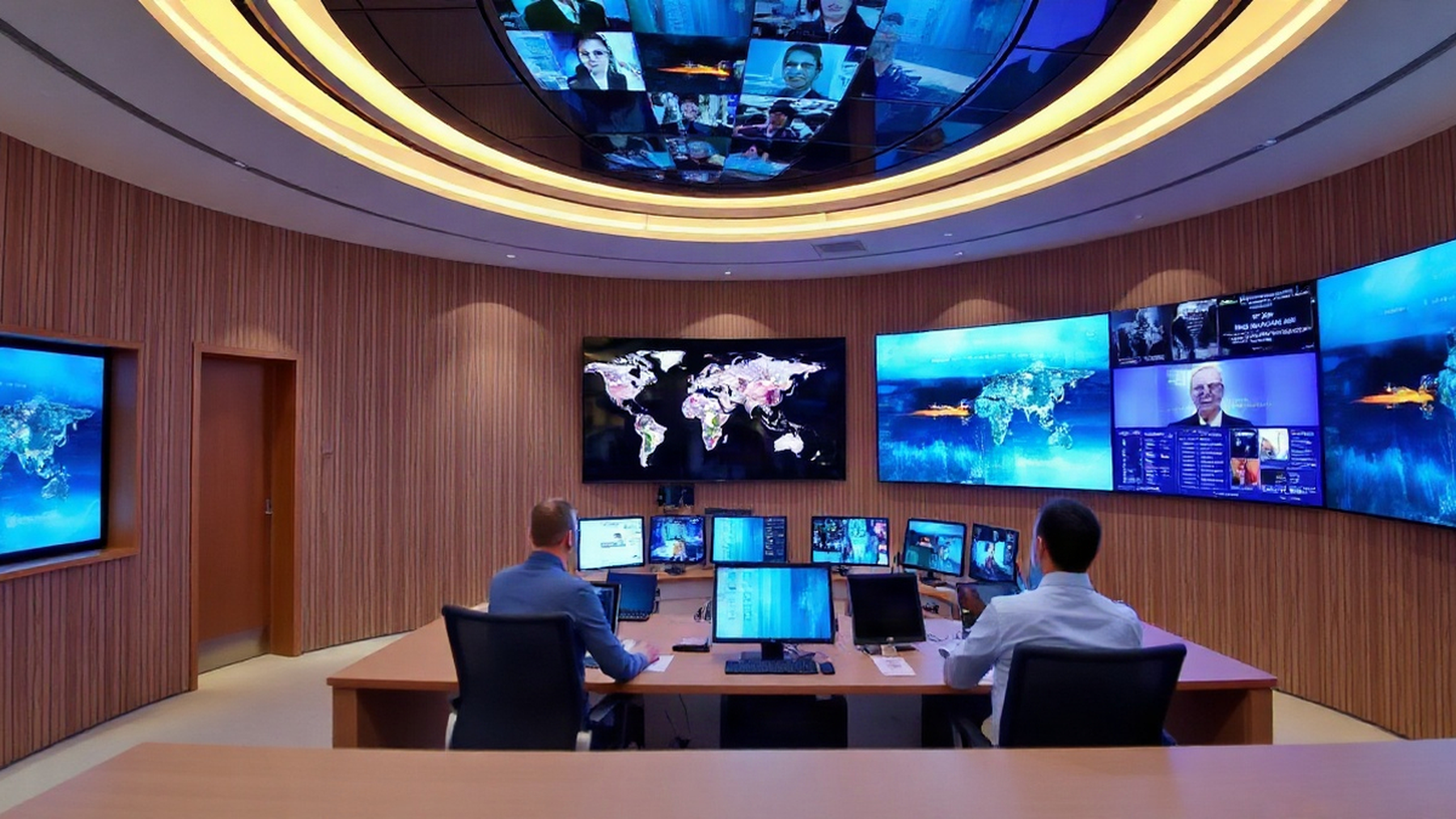
The Smart Control Room in Venice utilizes advanced technology to manage urban challenges, focusing on improving tourism flow, mobility, and safety through real-time data integration.
At a glance
- Where
- Venice, Italy
- Best for
- Urban management enthusiasts
- Time needed
- 1-2 hours
- Access
- Not open to public
- Last checked
- September 2026
A Technological Leap for Venice
In August 2023, the city of Venice launched its groundbreaking Smart Control Room, an initiative that leverages cutting-edge technology to address the city's unique challenges. Known for its historic architecture and canals, Venice faces modern issues such as overcrowding from mass tourism, environmental degradation, and inefficient urban management. The Smart Control Room represents a major advancement in how cities can utilize technology for better public service delivery and urban management.
Harnessing Real-time Data
At the core of the Smart Control Room is its ability to integrate real-time data through a network of sensors and advanced telecommunications systems, including 5G. This infrastructure allows city administrators to monitor and manage resources effectively. According to the TIM Group, the control room is a model of what a Smart City should be, providing integrated management over various services such as lighting, waste collection, mobility, and safety (TIM Group, 2023).
Managing Tourism Flows
Tourism is both a boon and a challenge for Venice. With over 30 million visitors annually, the city's infrastructure is under constant pressure. The Smart Control Room addresses this by analyzing data from tourists' mobile phones to understand their movement patterns and nationalities. This information helps city officials implement crowd management strategies, relieving pressure on public transport and popular tourist sites (Daily Mail Online, 2023).
Enhancing Mobility and Safety
One of the essential functions of the Smart Control Room is to enhance mobility and safety across Venice. By using digital twin technology, city planners can simulate different scenarios, allowing them to plan for events and emergencies more effectively. The system can also improve traffic flow, making public transport more efficient and reducing congestion on the city's narrow streets (Extract Project, 2023).
Challenges and Future Opportunities
While the Smart Control Room offers a promising solution to Venice's problems, it also presents challenges. Privacy concerns are a significant issue, as the system tracks the movements of individuals. Additionally, continuous technological upgrades are necessary to keep the system running efficiently. However, the benefits far outweigh these concerns, as the control room provides a template for other cities grappling with similar issues.
A Model for Other Cities
Venice's initiative could serve as a model for other cities worldwide. As urban areas continue to expand, the need for efficient management systems becomes more critical. The Smart Control Room's success could inspire other cities to adopt similar technologies, thereby contributing to global efforts towards sustainable urban development.
Conclusion
The Smart Control Room is a testament to Venice's commitment to addressing its urban challenges through innovation. By combining advanced technology with strategic planning, Venice not only preserves its historical legacy but also enhances the quality of life for residents and visitors alike. In doing so, it sets a precedent for future city management worldwide.
Integration with Sustainable Urban Development Goals
The Smart Control Room initiative aligns with global efforts to enhance urban sustainability and resiliency. Venice City Solutions 2030 emphasizes the role of local governments in achieving Sustainable Development Goals (SDGs), and the Smart Control Room contributes by optimizing resource management and minimizing environmental impact. By integrating digital twin technology, the control room can forecast urban growth and manage resources such as land, water, and energy more efficiently, supporting Venice's commitment to sustainable urban development (City2City Network, 2023).
Digital Twin Technology in Urban Planning
The deployment of digital twin technology in Venice's Smart Control Room represents a significant leap forward in urban planning. This technology creates a virtual model of the city, enabling planners to simulate various scenarios and anticipate their impact on the urban environment. It allows for detailed analyses of infrastructure changes, emergency response strategies, and environmental impacts, providing data-driven insights to guide decision-making. As a result, Venice is better equipped to balance preservation of its historic sites with modern urban demands, ensuring a sustainable future for the city (Extract Project, 2023).
Innovation and Historical Preservation
Venice's approach to innovation is deeply rooted in its history, with a long tradition of fostering new technologies and ideas. The introduction of the Smart Control Room continues this legacy by integrating modern technological solutions with the city's unique cultural and historical needs. Through initiatives like controlled tourism flows and enhanced mobility systems, Venice is setting an example of how historical preservation and technological advancement can coexist. The city's effort to manage tourism through real-time data not only protects its architectural heritage but also enhances visitor experience by reducing overcrowding at key sites (UCL IIPP Blog, 2023).
Furthermore, the Smart Control Room's role in urban planning is pivotal. By using advanced predictive analytics, city officials can make informed decisions that balance economic growth with environmental sustainability. This model of smart urban management supports Venice in tackling the pressures of modern urbanization while preserving its unique cultural landscape.
As cities worldwide grapple with challenges related to rapid urbanization and climate change, Venice's Smart Control Room offers a scalable solution that other urban centers can adopt. The initiative demonstrates how integrating technology into urban management can lead to more sustainable and resilient cities, paving the way for future innovations in city planning and management.
Sources
- “Venice, a model Smart City,” TIM Group. Source link
- “Venice opens control room that tracks where EVERY tourist is from,” Daily Mail Online. Source link
- “Urban Safety and Efficiency: A Digital Twin of Venice,” Extract Project. Source link
This article was independently researched and produced. No payment, complimentary service or editorial approval was provided by the places mentioned.