
In brief
The reopening of the Fornace Ferro glass factory in Murano signifies a revival of traditional Venetian glassmaking, merging cultural heritage with sustainability efforts.
At a glance
- Location
- Murano, Venice
- Best for
- Art and craft enthusiasts
- Time needed
- 1-2 hours for a visit
- Access/cost
- Entry typically free; workshops may vary
- Last checked
- September 2026
Bridging Tradition and Modernity
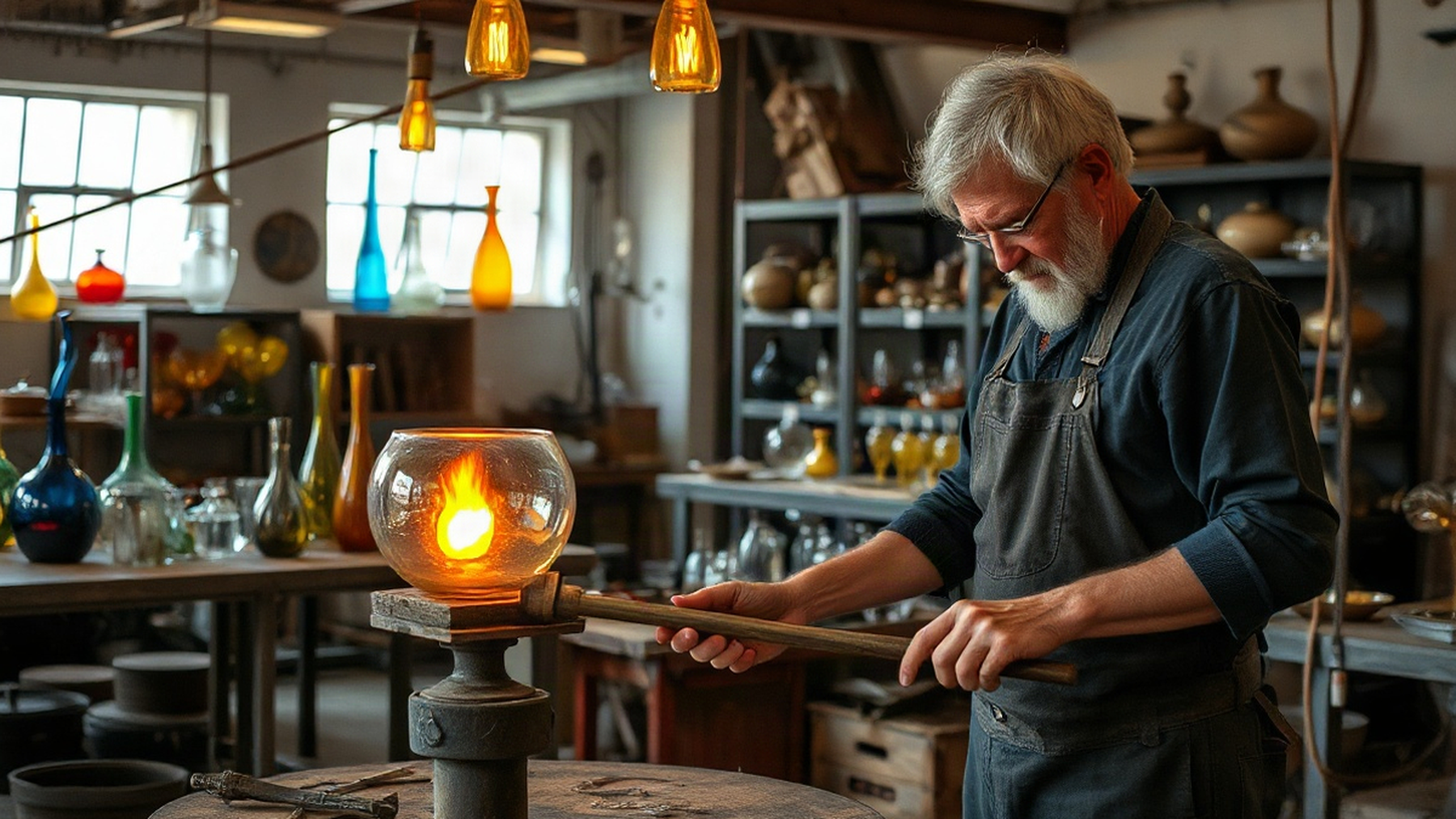
In October 2023, the historic Fornace Ferro glass factory in Murano reopened its doors, symbolizing a revival of traditional craftsmanship intertwined with a commitment to sustainability in the art of glassmaking. Established in the early 20th century, Fornace Ferro has been synonymous with the rich heritage of Venetian glass, captivating artisans and collectors for generations. The factory's reopening not only restores its once-thriving operations but also reinforces the importance of preserving artisanal skills that are increasingly endangered by modern manufacturing practices.
The factory, renowned for its intricate glasswork, faced numerous challenges since the death of its founder, Eugenio Ferro, in 1947. Following his passing, the factory was managed by his heirs, with Giovanni Lazzarini becoming a pivotal figure in its operations. Lazzarini's involvement helped navigate the factory through turbulent times while maintaining respect for traditional methods. The reopening serves as a poignant reminder of the enduring legacy of Murano glass and the commitment to preserving its techniques.
A Sustainable Future
As awareness grows surrounding sustainable practices within the glassmaking industry, Fornace Ferro is embracing this shift by implementing eco-friendly techniques that minimize waste and reduce energy consumption. The artisans are not only reviving ancient glassblowing techniques but are also adapting them to align with contemporary sustainability standards. This dual focus on preservation and innovation is crucial for the future of glassmaking in Venice.
The tradition of Venetian glassmaking traces back to the 13th century, with Murano emerging as the epicenter of this craft. The techniques developed on this island have influenced glassmakers around the globe, making Murano glass a highly sought-after commodity. As Fornace Ferro reopens, it stands as a beacon of this legacy, welcoming visitors to experience the delicate art of glassblowing and the intricate processes that create stunning works of art.
Visiting Fornace Ferro
For those interested in experiencing this revival first-hand, visiting Fornace Ferro offers a unique opportunity to observe artisans at work. Visitors can watch the glassblowing process and delve into the history and techniques that define this remarkable craft. The factory often hosts workshops, allowing guests to engage with the craft personally. These experiences not only educate but also foster a deeper appreciation for the artistry involved in glassmaking.
As part of the broader narrative of Venetian glassmaking, the reopening of Fornace Ferro highlights the significance of supporting local artisans and preserving cultural heritage. It serves as a reminder that the past can inform a sustainable future, offering valuable lessons that resonate beyond the shores of the Venetian Lagoon.
The Importance of Artisanal Craftsmanship
The revival of Fornace Ferro is not just about glassmaking; it also emphasizes the significance of artisanal craftsmanship in today's fast-paced world. In an era where mass production often overshadows traditional skills, the factory's reopening is a crucial step towards reviving these time-honored practices. Local artisans play an essential role in maintaining the quality and authenticity of Murano glass, contributing to the island's distinctive identity.
In addition to observing artisans at work, visitors can engage with the craft through various workshops that the factory offers. These sessions provide a hands-on experience, allowing participants to learn basic glassblowing techniques under the guidance of skilled artisans. This interaction fosters a deeper understanding and appreciation for the intricate processes involved in creating each unique piece of glass art.
Conclusion: A New Chapter for Fornace Ferro
The reopening of Fornace Ferro marks a new chapter in the storied tradition of Venetian glassmaking. By merging traditional craftsmanship with modern sustainability practices, the factory is poised to inspire a new generation of artisans and enthusiasts alike. It stands as a testament to the enduring allure of Murano glass and the importance of preserving cultural heritage in an ever-evolving world. As visitors flock to witness the artistry and skill on display, Fornace Ferro invites everyone to partake in this remarkable journey through the vibrant world of Venetian glassmaking.
The Cultural Significance of Murano Glass
Murano glass is deeply woven into the cultural fabric of Venice, representing not only artistic expression but also the city's historical identity. The glassmaking tradition on Murano dates back to the 13th century when the Venetian government moved glass production to the island to mitigate the risk of fire in the densely populated city. This decision not only protected the city but also fostered a unique environment for innovation in glassmaking techniques. Today, Murano glass is synonymous with luxury and craftsmanship, recognized worldwide for its quality and artistry.
The cultural significance of Murano glass extends beyond its aesthetic appeal; it embodies the legacy of generations of artisans who have honed their skills over centuries. Each piece of Murano glass tells a story, incorporating traditional methods paired with contemporary design elements. This blend of old and new is what keeps the tradition alive and relevant in modern times.
Artisanal Techniques and Innovations
The artisans at Fornace Ferro are not just preserving ancient techniques; they are also innovating within the realm of glassmaking. Techniques such as 'millefiori'—the creation of intricate patterns using colorful glass canes—and 'filigrana'—the incorporation of fine threads of glass—are just a few examples of the craftsmanship that has been passed down through generations. These techniques require years of training and practice, emphasizing the dedication required to master the art of glassblowing.
Furthermore, the artisans at Fornace Ferro are exploring new methods that incorporate sustainable practices. For instance, they are experimenting with recycled glass and alternative energy sources for melting glass, which significantly reduces their carbon footprint. This commitment to innovation not only enhances the art form but also aligns with global movements towards sustainability, making Murano glass an environmentally conscious choice for consumers.
The Role of Education and Community Engagement
Fornace Ferro's reopening also highlights the importance of education in sustaining the glassmaking tradition. The factory offers educational programs aimed at both locals and tourists, fostering a community that values and understands the significance of Murano glass. These programs include guided tours, workshops, and demonstrations that allow participants to engage directly with the craft, enhancing their appreciation for the skill involved in glassmaking.
Community engagement is vital for the survival of traditional crafts. By educating the public and providing hands-on experiences, Fornace Ferro is nurturing a new generation of artisans and collectors. This not only helps preserve the art of glassmaking but also ensures that the stories and techniques are passed on, creating a sense of continuity within the craftsmanship of Murano glass.
Challenges and the Future of Glassmaking in Venice
Despite the revival marked by the reopening of Fornace Ferro, the glassmaking industry in Venice faces ongoing challenges. Globalization and mass production have led to a decline in demand for handcrafted goods, as consumers often opt for cheaper, machine-made alternatives. This trend threatens the survival of small artisan workshops that lack the resources to compete with larger manufacturers.
However, the growing appreciation for artisanal products and sustainable practices may signal a turning point for the industry. As consumers become more aware of the environmental impact of their purchases, the demand for unique, handcrafted items like Murano glass may increase. Fornace Ferro's commitment to craftsmanship and sustainability positions it well to attract a new generation of environmentally conscious buyers who value quality over quantity.
Frequently asked questions
What is “A Revival in Glass: The Fornace Ferro Reopens” about?
The reopening of the Fornace Ferro glass factory in Murano signifies a revival of traditional Venetian glassmaking, merging cultural heritage with sustainability efforts.
What is the key fact about “A Revival in Glass: The Fornace Ferro Reopens”?
Murano, Venice
What should readers know about “Bridging Tradition and Modernity”?
In October 2023, the historic Fornace Ferro glass factory in Murano reopened its doors, symbolizing a revival of traditional craftsmanship intertwined with a commitment to sustainability in the art of glassmaking. Established in the early 20th century, Fornace Ferro has been synonymous with the rich heritage of Venetian glass, captivating artisans and collectors for generations. The factory's reopening not only restores its once-thriving operations but also reinforces the importance of preserving artisanal skills that are increasingly endangered by modern manufacturing practices.
Sources
- “History of Murano Glass,” Glass of Venice. Source link
- “Ferro & Lazzarini - Artistic Glass Factory,” Ferro & Lazzarini. Source link
This article was independently researched and produced. No payment, complimentary service or editorial approval was provided by the places mentioned.