
In brief
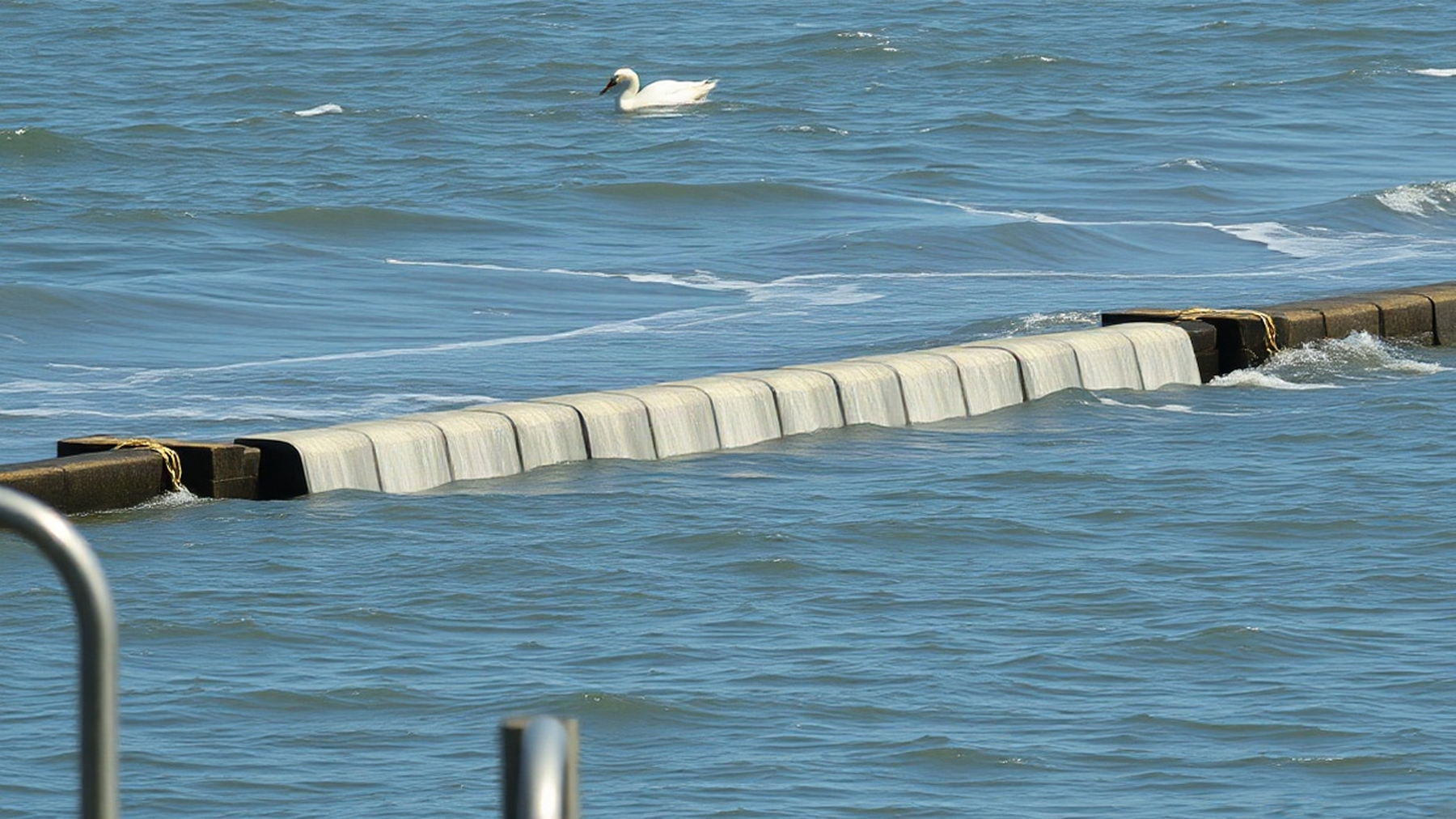
The MOSE flood barriers in Venice were tested in October 2023. The system's multiple deployments during this period successfully protected the city from potential flooding, demonstrating its essential role in combating the effects of climate change.
At a glance
- Where
- Venetian Lagoon
- Best for
- Flood management
- Time needed
- Active during high tides
- Access/Cost
- Government-managed
- Last checked
- September 2026
The Threat of Rising Waters
Venice, with its iconic canals and historic architecture, faces a persistent threat from rising sea levels and climate change. The city is particularly vulnerable to 'acqua alta' or high tides, which can cause severe flooding and damage to its cultural heritage and infrastructure.
The MOSE Project
The MOSE (Modulo Sperimentale Elettromeccanico) system is a major engineering project designed to protect Venice from flooding. It comprises 78 mobile barriers positioned at the three inlets of the Venetian Lagoon. These barriers are capable of isolating the lagoon from the Adriatic Sea during high tide events, thereby preventing water from inundating the city.
October 2023 Testing
In October 2023, Venice conducted a critical test of the MOSE barriers. These barriers were deployed multiple times over this period, responding to high tide forecasts and real-time conditions. On October 30, 2023, the barriers were raised as water levels threatened to reach 154 centimeters at the southern dam of the Lido barrier island. This deployment successfully averted flooding in the city, showcasing the effectiveness of the MOSE system under pressure.
Operational Success and Continued Testing
The MOSE system's operation from October 2023 to April 2024 saw the barriers lifted 31 times, effectively preventing the Adriatic Sea from entering the lagoon. This period of testing demonstrated the system's robustness and its vital role in protecting Venice during high water events.
Historical Context and Innovations
Historically, Venice has faced numerous flooding events, with significant damage recorded over the centuries. The MOSE project, which began in the early 2000s, represents years of research and innovation aimed at preserving Venice's unique urban landscape. Alongside other measures such as elevating walkways and reinforcing coastal defenses, MOSE is part of a comprehensive strategy to manage water levels and protect the lagoon ecosystem.
Challenges and Future Outlook
While the MOSE system is a significant step forward in flood defense, it is not a standalone solution. The ongoing impacts of climate change, including rising sea levels and more frequent storm surges, require a multifaceted approach. Urban planning, environmental conservation, and sustainable tourism practices are critical to ensuring Venice's long-term resilience.
Conclusion
The successful test of the MOSE barriers in October 2023 underscores Venice's commitment to safeguarding its future. By investing in advanced flood defense systems and complementary strategies, the city is taking proactive steps to adapt to the challenges posed by climate change. The effectiveness of these measures will be crucial in maintaining Venice's cultural and historical legacy amid an uncertain environmental future.
Technological Innovations and Environmental Considerations
The MOSE system exemplifies a fusion of cutting-edge technology and environmental engineering. Each of the 78 barriers is designed to be both robust and adaptable, capable of withstanding the pressures of the Adriatic Sea while minimizing ecological disruption. The barriers are inflatable, allowing them to rise from the seabed only when necessary, thus preserving the natural flow of water and marine life during non-critical periods. This design not only protects Venice from flooding but also strives to maintain the delicate balance of the lagoon ecosystem, which is vital for the city's biodiversity.
Public Perception and Controversy
Despite its technological marvels, the MOSE project has been the subject of public debate and controversy. Critics have raised concerns regarding the project's cost, maintenance, and potential environmental impact. Originally estimated at 1.6 billion euros, the cost of the project has ballooned over the years, partly due to construction delays and corruption scandals. Additionally, some environmentalists argue that the barriers could alter tidal patterns in unforeseen ways, potentially affecting the lagoon's natural habitat. However, proponents highlight the necessity of such a system to protect Venice from increasingly frequent and severe flooding events.
Integration with Broader Flood Management Strategies
The MOSE barriers are a crucial component of a broader flood management strategy that includes several other measures. These include the elevation of quaysides and the reinforcement of existing coastal defenses, aimed at reducing the impact of high tides and storm surges. Additionally, the city is experimenting with digital monitoring systems that provide real-time data on tide levels and weather forecasts. This integrated approach allows for more precise and timely responses to potential flood threats, ensuring that the MOSE system is activated only when necessary and that other preventive measures are optimized.
Future Developments and Sustainability Goals
Looking to the future, Venice aims to enhance the sustainability and efficiency of the MOSE system in response to evolving climate challenges. Engineers and policymakers are exploring advanced materials and technologies to extend the lifespan and reduce the environmental footprint of the flood barriers. There is also a push towards integrating renewable energy solutions, such as solar panels and wind turbines, to power the system, aligning with Italy's broader sustainability goals. These efforts are part of a long-term vision to ensure that Venice remains resilient in the face of climate change, securing its cultural and historical heritage for generations to come.
Frequently asked questions
What is “Defending Venice: MOSE Barriers Put to the Test” about?
The MOSE flood barriers in Venice were tested in October 2023. The system's multiple deployments during this period successfully protected the city from potential flooding, demonstrating its essential role in combating the effects of climate change.
What is the key fact about “Defending Venice: MOSE Barriers Put to the Test”?
Venetian Lagoon
What should readers know about “The Threat of Rising Waters”?
Venice, with its iconic canals and historic architecture, faces a persistent threat from rising sea levels and climate change. The city is particularly vulnerable to 'acqua alta' or high tides, which can cause severe flooding and damage to its cultural heritage and infrastructure.
Sources
- “Researchers propose solutions to stop Venice from sinking,” ABC News. Source link
- “Venice tests billion-dollar anti-flood system,” DW. Source link
- “Sea level rise in Venice,” Wikipedia. Source link
This article was independently researched and produced. No payment, complimentary service or editorial approval was provided by the places mentioned.