
In brief
In September 2023, Venice's artisan community launched a sustainable initiative to revitalize traditional gondola-making techniques, ensuring a lower environmental impact.
At a glance
- Location
- Venice, Italy
- Best for
- Artisans, sustainability supporters
- Initiative launching
- September 2023
- Workshop access
- Public workshops available
- Last verified
- August 2026
Understanding the Crisis
Venice, renowned for its scenic canals and historical significance, faces significant challenges due to climate change and the pressures of mass tourism. The city is slowly sinking, while rising sea levels threaten its very existence. This precarious situation puts traditional crafts, such as gondola-making, at risk of fading into obscurity. The gondola, an iconic symbol of Venice, exemplifies this struggle, making its preservation critical.
Artisan Collective's Mission
In response to these challenges, a collective of local artisans launched a sustainable initiative in September 2023. This project seeks to marry traditional gondola-making techniques with eco-friendly practices. By addressing environmental concerns and promoting sustainable craftsmanship, the artisans aim to keep the art of gondola crafting alive and thriving in the face of changing societal and environmental conditions.
The Craft of Gondola Making
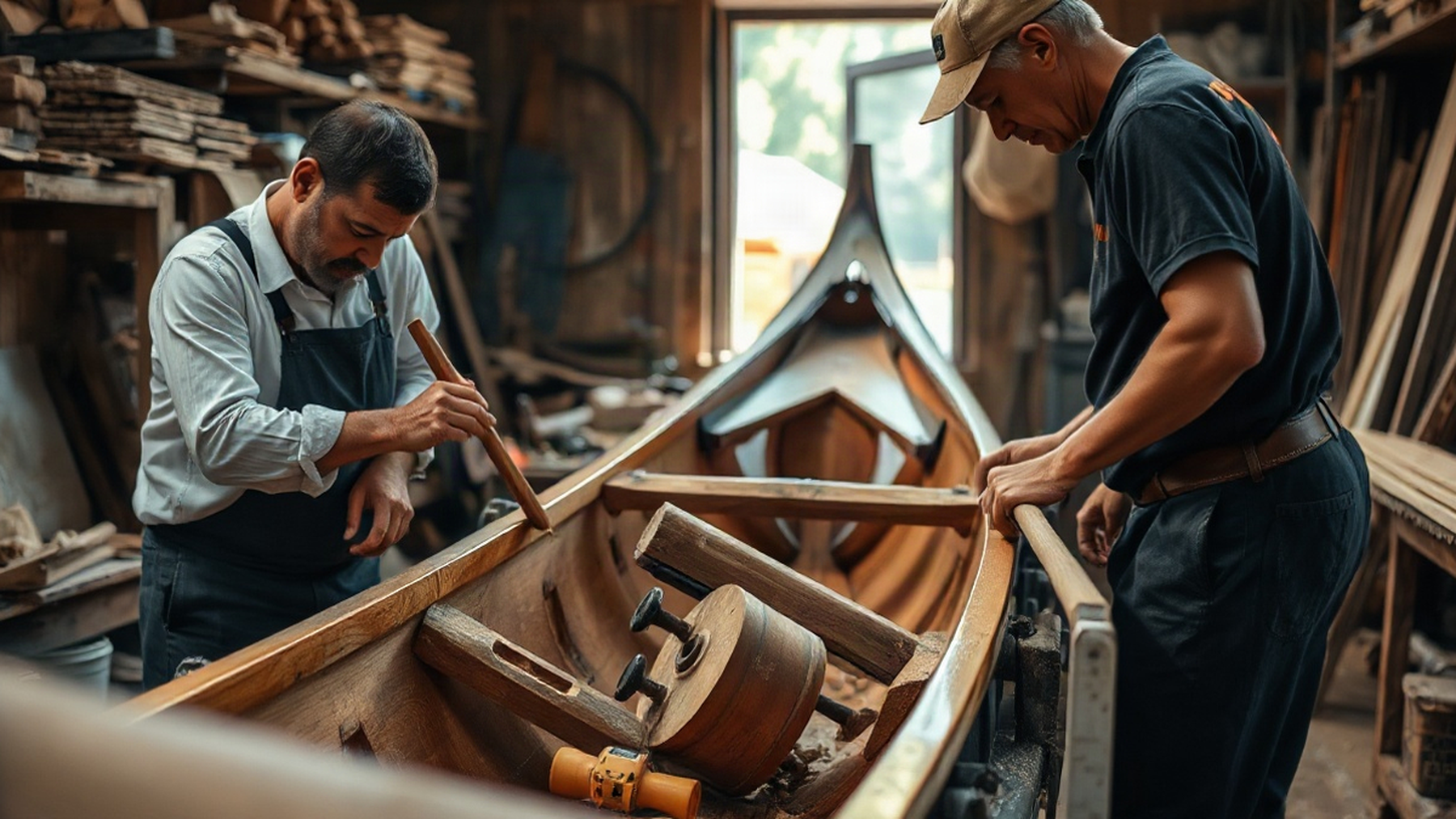
The process of gondola-making is steeped in rich tradition, occurring in specialized workshops known as squeri. Each gondola is handcrafted, adhering to techniques passed down through generations. Artisans select a variety of woods—such as mahogany, cherry, fir, walnut, oak, elm, and lime—to create these vessels. Remarkably, traditional construction methods are employed, avoiding modern machinery and preserving the authentic craftsmanship that defines Venetian gondolas.
As part of the new initiative, artisans are committed to using sustainable materials sourced locally. This practice not only reduces their ecological footprint but also supports the local economy. The artisans are conscious of their environmental impact, ensuring that their methods align with the sustainability ethos of the project.
Engagement and Education
The initiative also emphasizes community engagement through public workshops. These workshops provide a unique opportunity for both locals and tourists to learn about the intricate process of gondola-making. Participants can observe artisans as they select wood and craft the gondolas from start to finish. This hands-on experience fosters a deeper appreciation for the craft and highlights the importance of sustainability in preserving Venetian culture.
By involving the community, the artisans not only share their skills but also educate attendees on the significance of sustainable practices. This interaction strengthens the bond between the artisans and the city, ensuring that the tradition of gondola-making remains vibrant and relevant.
Tourism’s Role in Sustainability
Tourism is a vital economic driver for Venice, often straining its resources and cultural heritage. The sustainable gondola initiative promotes responsible tourism, encouraging visitors to support local artisans and engage in sustainable practices. By choosing to participate in workshops or purchase locally made products, tourists can contribute positively to the preservation of Venice's cultural identity.
Moreover, the project aligns with broader sustainable tourism efforts in the city. Initiatives like the Detourism Campaign advocate for responsible travel behaviors, urging visitors to make conscious choices that minimize their environmental impact. This collaborative approach ensures that Venice can maintain its allure while safeguarding its unique heritage.
Looking Ahead
The future of gondola-making in Venice looks promising with the launch of this sustainable initiative. By integrating eco-friendly materials and traditional methods, artisans are not only preserving a crucial aspect of Venetian culture but also setting a precedent for other crafts. This project serves as a beacon of hope for the city, illustrating that tradition and sustainability can coexist harmoniously.
As climate change and urban development continue to challenge Venice, the commitment of local artisans to sustainable practices is vital. Their efforts not only help mitigate environmental issues but also ensure that the art of gondola-making survives for future generations. It is through these dedicated initiatives that Venice can aspire to become a model for sustainable urban practices, blending its rich history with a forward-thinking approach to craftsmanship.
The Role of Traditional Materials
In the age of sustainability, the choice of materials in gondola-making has become a focal point for artisans committed to eco-friendly practices. Traditional gondolas are constructed using a variety of woods, each selected not only for its aesthetic appeal but also for its durability and weight. Mahogany, cherry, fir, walnut, oak, elm, and lime are the primary species utilized, with each wood offering unique properties that contribute to the gondola's performance and longevity.
The artisans emphasize the importance of sourcing these materials locally, minimizing transportation emissions and supporting regional forestry practices. This local sourcing aligns with the overarching goal of reducing the environmental impact associated with gondola construction. Furthermore, by using traditional woods that have been sustainably harvested, artisans can preserve the natural beauty of the Venetian landscape while ensuring that their craftsmanship remains rooted in the historical context of the city.
Community Impact and Economic Sustainability
The sustainable gondola initiative is not only a response to environmental challenges but also a strategy for economic revitalization within Venice. By fostering a connection between artisans and the community, this initiative contributes to a robust local economy. The workshops where gondolas are crafted have become cultural hubs, attracting both locals and tourists interested in the art of boat-making.
These workshops facilitate job creation by enhancing artisans' visibility and allowing them to share their skills with a broader audience. As tourists engage with the gondola-making process, they often develop a deeper appreciation for the craftsmanship involved, leading to increased support for local businesses. This symbiotic relationship between artisans and the community not only preserves the traditional craft but also stimulates economic activity, reinforcing the importance of sustainable tourism practices that benefit both visitors and residents alike.
The Future of Gondola Craftsmanship
As Venice continues to grapple with the effects of climate change and tourism, the future of gondola craftsmanship hinges on adaptive practices that honor tradition while embracing innovation. The artisan collective's focus on sustainability serves as a model for the preservation of other traditional crafts facing similar threats. By integrating modern sustainable practices with age-old techniques, these artisans are pioneering a path that ensures the gondola remains a living symbol of Venetian culture.
Moreover, initiatives such as the Sustainable Cities Challenge Venice empower local artisans to innovate their practices further. With support from organizations dedicated to sustainable urban development, gondola makers can access new technologies and methodologies that enhance their craft while maintaining their commitment to environmental stewardship. This ongoing evolution is crucial for the gondola's place in Venice's future, ensuring that it remains not only a mode of transport but also a cherished cultural artifact.
Educational Programs and Workshops
Educational outreach is a cornerstone of the sustainable gondola initiative, providing valuable opportunities for individuals to engage with Venetian culture through hands-on experiences. The workshops not only teach the technical skills required for gondola-making but also foster an understanding of the historical and cultural significance of this craft.
Participants in these workshops learn about the intricate processes involved in gondola construction, such as the careful selection of wood, the shaping of the hull, and the finishing touches that make each gondola unique. This immersion in the craft encourages participants to appreciate the time and effort artisans invest in their work. By cultivating a new generation of enthusiasts and advocates for sustainable craftsmanship, these educational programs play a vital role in preserving the heritage of gondola-making in Venice.
Sources
- “Sustainable tourism in Venice: which challenges the city is facing,” Venice Insider Guide. Source link
- “The making of the gondola,” Photo Walk in Venice. Source link
This article was independently researched and produced. No payment, complimentary service or editorial approval was provided by the places mentioned.