
In brief
The Arsenale's restoration focuses on preserving its historical significance while integrating modern innovations, positioning it as a vibrant cultural and maritime center.
At a glance
- Where
- Arsenale, Venice
- Best for
- Cultural enthusiasts and maritime history lovers
- Time needed
- 1-2 hours to explore
- Access/Cost
- Free entry to some areas; special exhibitions may charge
- Last checked date
- August 2026
- Size
- Approximately 11,430 square meters, including lofts of 4,460 square meters
The Historical Significance of the Arsenale
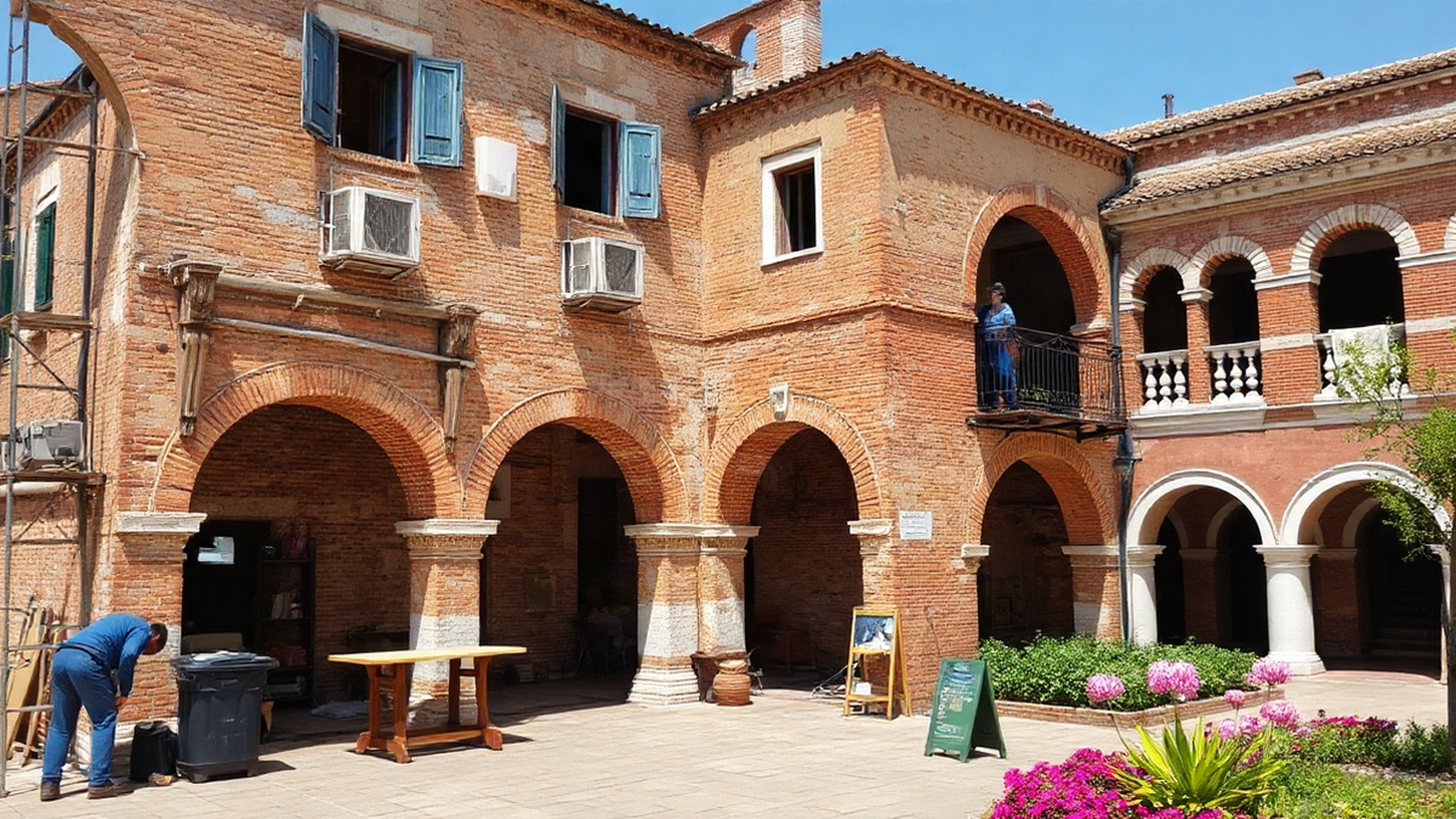
The Arsenale of Venice has served as a symbol of the city’s maritime might since the 12th century. Once the epicenter of Venetian shipbuilding, it played a vital role in establishing Venice as a dominant maritime power. The site is not only significant for its historical shipbuilding functions but also for its architectural grandeur, characterized by imposing structures and a complex layout that reflects centuries of maritime innovation.
Recent Developments in Restoration
In October 2023, the Venice Authority unveiled an extensive restoration plan aimed at revitalizing the Arsenale. This initiative seeks to preserve the historical integrity of the existing structures while integrating modern amenities to enhance visitor experience. Key components of the plan include the development of new pathways, the establishment of a showcase center, and the creation of a transportation hub to improve accessibility. The restoration will also prioritize the preservation of existing buildings, ensuring that their historical essence remains intact.
As part of the restoration, the site will adapt to modern requirements while reflecting its rich history. The total area of the Arsenale is approximately 11,430 square meters, including lofts of 4,460 square meters, which are essential for hosting events such as the Venice Biennale. The North and South Armaments complex, located in the heart of the Arsenale area, will be enhanced to facilitate its use as a prominent venue for international art exhibitions.
Challenges and Opportunities
Despite the ambitious plans for restoration, the project faces significant challenges, particularly concerning environmental factors. The rising sea levels, projected to increase by up to one meter in the coming decades, pose a serious threat to the Arsenale’s structural integrity. This necessitates innovative and adaptive solutions to safeguard this UNESCO World Heritage site. Ongoing studies are being conducted to assess the potential impacts of climate change on the site, and strategies will be developed to mitigate these risks while maintaining its historical significance.
A Cultural Hub for the Future
With the planned enhancements, the Arsenale is set to continue its role as a vital cultural hub, hosting major events such as the Venice Biennale. This international art exhibition is a platform for contemporary artists and thinkers from around the globe, and the Arsenale will serve as a key venue for these events. By fostering creativity and innovation, the Arsenale will celebrate its rich maritime heritage while embracing modern artistic expressions.
Conclusion
The restoration of the Arsenale signifies a pivotal step in preserving Venice’s maritime legacy while embracing modernity. As the city navigates the intersection of history and contemporary culture, the Arsenale stands as a testament to this balance. Visitors to this historic site will not only witness the ongoing restoration efforts but will also experience the enduring legacy of Venice’s maritime prowess, reimagined for future generations.
Architectural Innovations in the Restoration
The restoration of the Arsenale is not just a matter of preserving the past; it also involves integrating contemporary architectural solutions that enhance functionality while respecting historical aesthetics. The project includes the addition of new pathways and a bridge that connects different sections of the Arsenale, facilitating better flow for visitors. These designs are crafted to complement the existing structures, ensuring that the visual integrity of the site remains intact while improving accessibility. The showcase center, a key feature of the revitalization, will provide a space for exhibitions and educational programs, further enriching the cultural experience.
Environmental Considerations and Sustainability
As Venice faces the looming threat of climate change, the restoration of the Arsenale incorporates sustainable practices to mitigate environmental impacts. This includes the assessment of sea level rise and its potential effects on the site. Innovative engineering solutions are being explored, such as elevated walkways and flood-resistant materials in construction, which will help safeguard the historic site from future flooding. Additionally, the project aims to incorporate green technologies, including energy-efficient systems and water management strategies, to create a low-impact cultural center that respects both history and the environment.
Community Engagement and Cultural Programming
The revitalization of the Arsenale is designed not only to attract tourists but also to engage the local community. The Venice Biennale, held in this historic venue, serves as a catalyst for cultural programming that includes a range of activities from art exhibits to educational workshops. The restoration aims to strengthen ties with local artists, historians, and cultural organizations, fostering a collaborative environment where contemporary art can thrive alongside the rich maritime heritage of Venice. By establishing partnerships with educational institutions and hosting events that encourage public participation, the Arsenale is poised to become a vibrant hub of creativity and learning.
Historical Context and Continuing Legacy
The Arsenale's significance extends beyond its architectural and cultural contributions; it represents a pivotal chapter in the history of maritime industrial practices. As one of the earliest examples of mass production in shipbuilding, the site laid the groundwork for modern industrial approaches. The restoration initiative acknowledges this legacy, ensuring that the stories of past innovations are preserved and celebrated. By showcasing the Arsenale's historical role in shaping Venice's maritime power, the project contributes to a deeper understanding of the city’s evolution and its ongoing relevance in contemporary discussions about industrial heritage and cultural identity.
Frequently asked questions
What is “Revitalizing the Arsenale: Venice's Maritime Heritage Rethought” about?
The Arsenale's restoration focuses on preserving its historical significance while integrating modern innovations, positioning it as a vibrant cultural and maritime center.
What is the key fact about “Revitalizing the Arsenale: Venice's Maritime Heritage Rethought”?
Arsenale, Venice
What should readers know about “The Historical Significance of the Arsenale”?
The Arsenale of Venice has served as a symbol of the city’s maritime might since the 12th century. Once the epicenter of Venetian shipbuilding, it played a vital role in establishing Venice as a dominant maritime power. The site is not only significant for its historical shipbuilding functions but also for its architectural grandeur, characterized by imposing structures and a complex layout that reflects centuries of maritime innovation.
Sources
- “The Venice Arsenal: Between History, Heritage, and Re-use,” Routledge. Source link
- “Venice Arsenale Development,” Jefferson University. Source link
This article was independently researched and produced. No payment, complimentary service or editorial approval was provided by the places mentioned.