
In brief
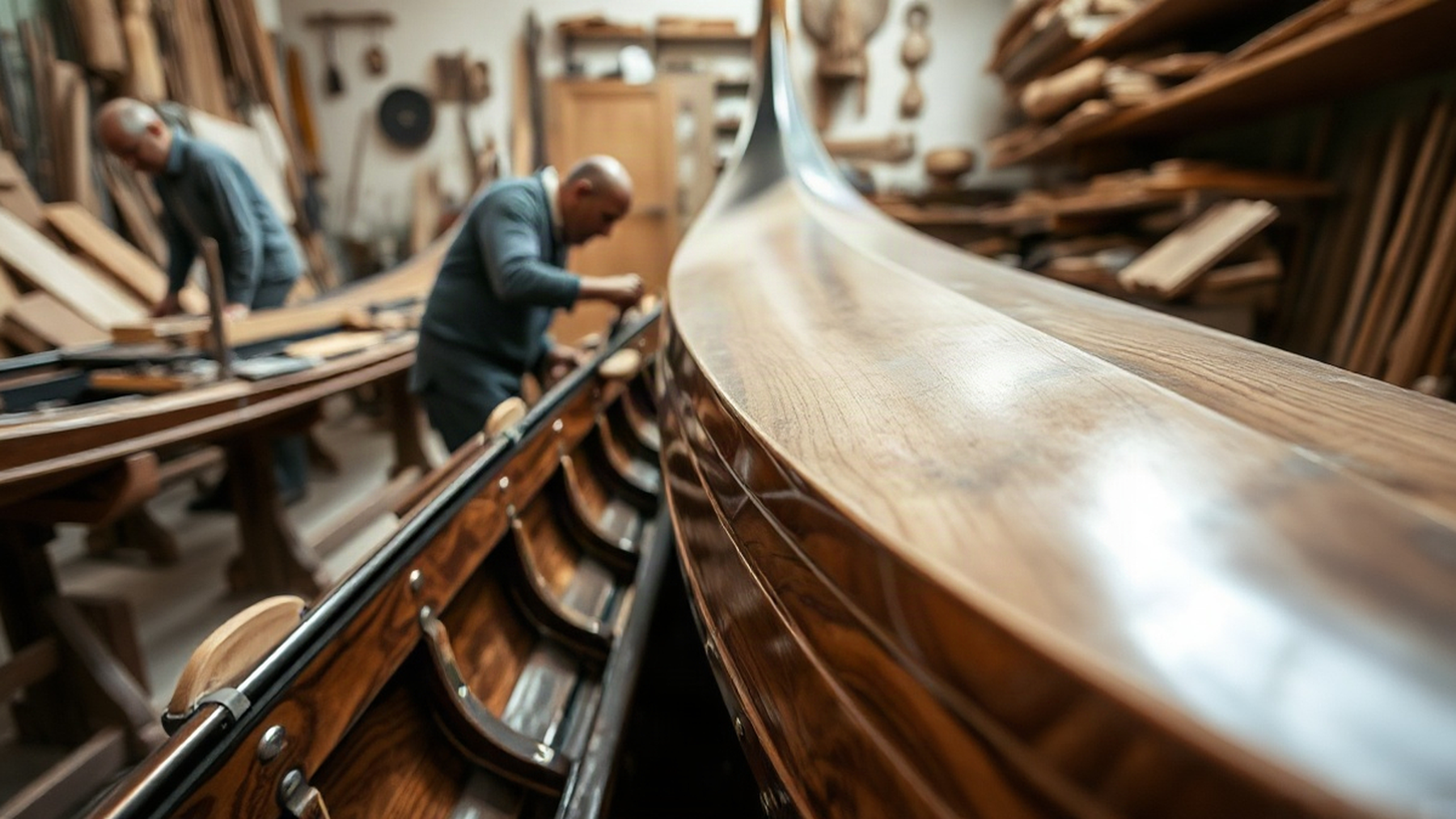
In September 2023, a workshop dedicated to gondola craftsmanship opened in Venice, aiming to preserve traditional techniques and address modern challenges. The initiative seeks to educate a new generation of artisans while ensuring the longevity of this centuries-old craft.
At a glance
- Location
- Venice, Italy
- Best for
- Craft enthusiasts and cultural explorers
- Time needed
- Workshops vary; typically a few hours
- Access/Cost
- Varies by workshop
- Last checked date
- August 2026
- Types of Wood Used
- Oak, mahogany, lime, walnut, fir, cherry, elm, larch
A Heritage at Risk
The gondola, an iconic symbol of Venice, embodies centuries of maritime tradition. Once a common sight, the number of traditional gondolas has drastically decreased from an estimated 10,000 in the 1500s to approximately 400 today. This decline highlights the urgent need for initiatives that preserve this vital cultural heritage, especially in the face of modernization and changing economic landscapes.
The New Workshop
In September 2023, a new workshop dedicated to the ancient art of gondola construction opened its doors in the heart of Venice. This initiative aims to not only teach the craft to newcomers but also to ensure that the intricate techniques developed over generations are passed down to future artisans. The workshop offers hands-on experiences guided by master craftsmen, who share their knowledge of the various wood types used, such as oak and mahogany, as well as the meticulous methods involved in building these unique vessels.
Learning from the Masters
At this workshop, participants engage directly with artisans who have honed their skills in Venice’s famed squeri—workshops specifically dedicated to gondola construction. Each gondola is shaped through a labor-intensive process that takes around 12 months to complete. Artisans emphasize the value of patience and precision, crafting gondolas without the use of nails or screws, instead relying on time-honored techniques of carving and bending.
A Glimpse into the Craft
Those who attend the workshop can expect to witness the craftsmanship that has made Venetian gondolas legendary. The artisans demonstrate the detailed process of shaping the gondola’s hull, merging artistry and science. This intimate look behind the scenes allows participants to appreciate the depth of knowledge required to maintain this tradition.
Significance of the Craft
The revival of gondola building workshops signifies a broader movement to safeguard Venetian craftsmanship against globalization. By engaging a new generation in this craft, Venice hopes to foster a renewed appreciation for its cultural heritage. Workshops not only educate participants but also inspire respect for the artisans who keep the spirit of Venice alive.
Preserving Tradition through Education
The workshop’s curriculum includes various aspects of gondola building, from selecting the appropriate wood to understanding the structural design of each boat. Participants learn about the significance of using specific types of wood that contribute to the gondola's performance and durability. This educational approach ensures that the techniques remain relevant and respected in today’s world.
Experiencing Venetian Craftsmanship
In addition to hands-on workshops, visitors can take guided tours of the traditional squeri, such as the famous Squero San Trovaso. Here, they can observe master artisans at work, gaining insight into the time-honored skills that define gondola construction. These tours offer a unique opportunity to appreciate the craftsmanship behind one of Venice's most enduring symbols.
Challenges and Future of Gondola Craftsmanship
Despite the efforts to revive gondola building, challenges remain. The cost of materials and the time-intensive nature of building a gondola can deter new craftsmen. Furthermore, the global tourism market continues to evolve, which affects local traditions. However, initiatives like the new workshop represent a commitment to preserving this unique aspect of Venetian culture.
Conclusion
The opening of the gondola craftsmanship workshop in Venice is a hopeful sign for the future of this traditional art form. By encouraging new participants and educating them on the intricate details of gondola building, Venice aims to ensure that its maritime heritage endures. The revival of this craft not only honors the past but also enriches the cultural fabric of the city, allowing future generations to appreciate the beauty and significance of gondolas.
The Art of Wood Selection
One of the most critical aspects of gondola construction lies in the selection of wood. Artisans meticulously choose types of wood not only for their aesthetic appeal but also for their structural properties. Each type of wood used in gondola building, such as oak and mahogany, contributes to the vessel's overall performance, buoyancy, and durability. For instance, oak is favored for its strength and resistance to water, while mahogany is appreciated for its beauty and workability. This deep understanding of materials showcases the artisans' expertise and their commitment to maintaining the highest standards in gondola craftsmanship.
Traditional Techniques and Innovations
While the workshop emphasizes traditional techniques that have been passed down through generations, it also embraces subtle innovations. The artisans blend time-honored methods of construction, such as carving and bending, with modern tools that aid in precision without compromising the integrity of the craft. This balance allows for the preservation of traditional values while adapting to contemporary needs, ensuring that gondola craftsmanship remains relevant. Techniques like assembling without the use of nails or screws require not just skill but also creativity in problem-solving, enabling artisans to push the boundaries of their craft while honoring its rich history.
The Role of the Gondola in Venetian Culture
Gondolas are more than just boats; they are a vital part of Venice's cultural identity and history. Historically, gondolas were used for transportation, commerce, and leisure, reflecting the social and economic fabric of Venetian life. Today, they symbolize romance and tourism, drawing visitors from around the globe. The revival of gondola craftsmanship is thus not just about preserving a craft but also about sustaining an integral piece of Venice's cultural narrative. Workshops serve as a reminder of the importance of the gondola in the city’s heritage, promoting an understanding of its significance beyond mere aesthetics.
Community Engagement and Economic Impact
The gondola workshop also plays a crucial role in the local community by fostering engagement and generating economic opportunities. By attracting both locals and tourists, the workshop not only provides a platform for learning but also supports local businesses. The increased interest in traditional craftsmanship can lead to a resurgence in local tourism, as visitors seek authentic experiences that connect them to Venice’s rich cultural landscape. Moreover, by training new craftsmen, the workshop ensures that the knowledge and skills necessary for gondola construction are not lost, creating a sustainable future for this cherished tradition.
Sources
- “Gondola Craftsmanship Workshop in Venice,” Italy Charme. Source link
- “Venetian Masters – The Gondola Makers of Venice,” Artviva. Source link
This article was independently researched and produced. No payment, complimentary service or editorial approval was provided by the places mentioned.