
In brief
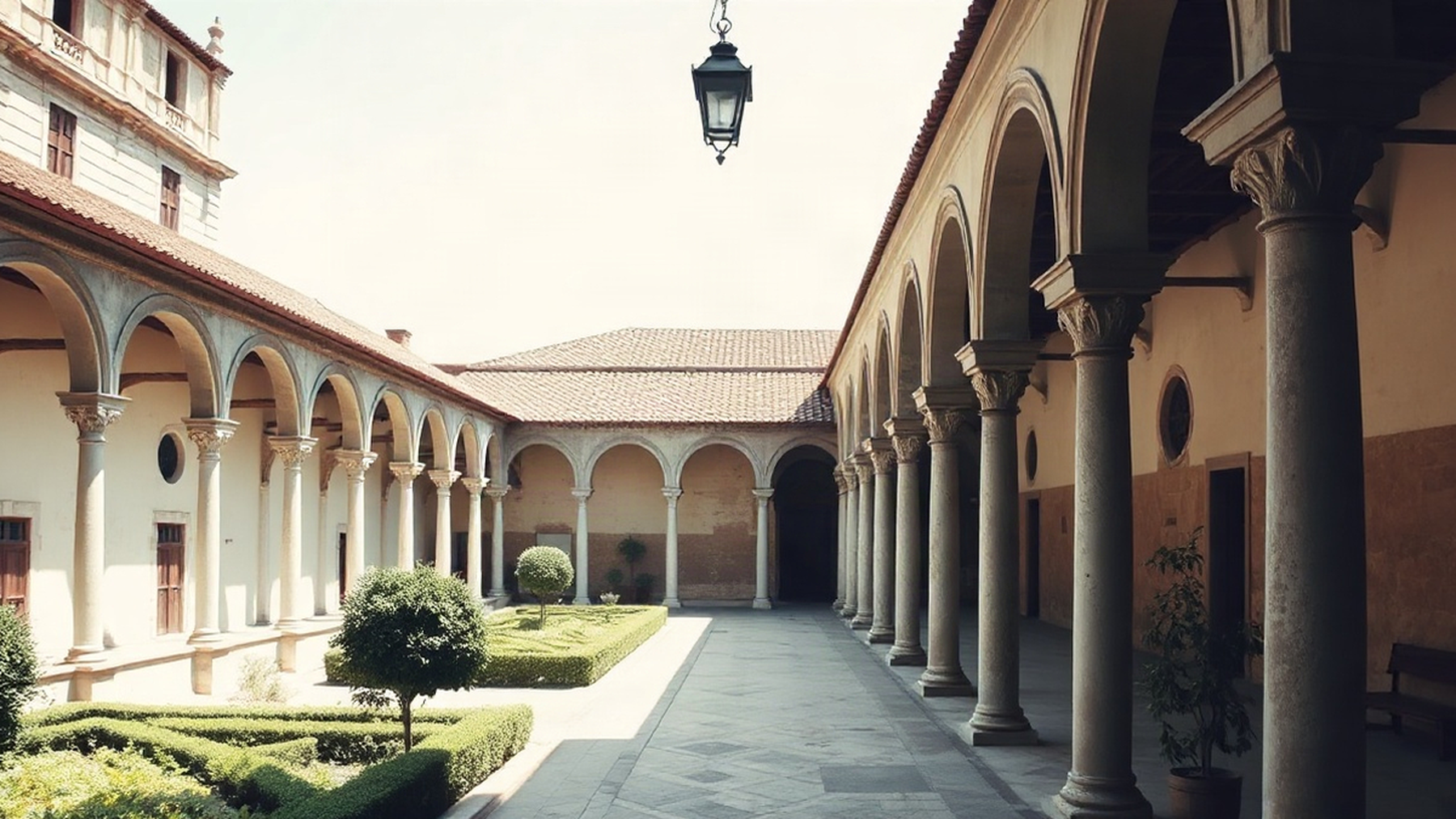
The San Giorgio Maggiore Cloister, recently restored, stands as a vital cultural and artistic hub in Venice, inviting both locals and visitors to experience its serene beauty and historical significance.
At a glance
- Where
- San Giorgio Maggiore Island, Venice
- Best for
- Art lovers and cultural enthusiasts
- Time needed
- 1-2 hours for a visit
- Access/Cost
- Entry to the cloister is included with the Foundation Cini visit
- Last checked date
- September 2023
- Architect
- Andrea Palladio
The Cloister's Historical Significance
San Giorgio Maggiore, an island in the Venetian lagoon, was once home to a Benedictine monastery established in 982 AD. The monumental cloister, designed by the esteemed architect Andrea Palladio, is a notable example of Renaissance architecture, showcasing the aesthetic and structural innovations of the period. Over centuries, this site has embodied not only spiritual values but also cultural richness, serving as a gathering place for artists, scholars, and visitors drawn to its serene environment and historical depth.
Restoration Efforts and Achievements
The recent restoration of the San Giorgio Maggiore Cloister, completed in September 2023, is a significant milestone in the preservation of Venice's cultural heritage. Spearheaded by the Giorgio Cini Foundation, which was established by Vittorio Cini in memory of his son Giorgio, this project aimed to revitalize the cloister while respecting its historical authenticity. The foundation has played a crucial role in restoring various parts of the monastery complex, ensuring that the integrity of this landmark is upheld for future generations.
This restoration not only involved structural repairs but also a comprehensive approach to conservation. The project adhered to strict conservation criteria, focusing on the recovery and use of materials that align with the cloister's historical stratifications. The result is a revitalization that enhances the cloister's beauty while preserving its historical essence.
A Hub for Cultural Exchange
Today, the cloister serves as a tranquil space that hosts various cultural events, exhibitions, and conferences, facilitating a dialogue between the past and contemporary art. The serene ambiance of the Chiostro dei Cipressi (Cloister of the Cypresses) and Chiostro degli Allori (Cloister of the Laurels) provides a perfect backdrop for artistic and cultural endeavors. Visitors can explore the lush gardens, designed to evoke a sense of peace and reflection, which are integral to the cloister's charm.
The Foundation Cini, which oversees the cloister and the wider complex, organizes programs that engage with art history, literature, and music, making the cloister not just a site of quiet contemplation but also a vibrant center for intellectual exchange. The restoration has reinvigorated the community's connection to its cultural roots, inviting both locals and tourists to experience the artistic heritage of Venice.
Visiting San Giorgio Maggiore
Accessing this cultural gem is convenient via the Vaporetto (water bus) service from the San Zaccaria stop, which offers a scenic ride across the lagoon. Entry to the cloister is typically included with a visit to the Foundation Cini, allowing guests to immerse themselves in both the historical and artistic offerings available. The serene atmosphere and architectural splendor of the cloister provide a perfect respite from the bustling streets of Venice, making it a worthwhile addition to any itinerary.
In conclusion, the restoration of the San Giorgio Maggiore Cloister stands as a testament to the dedication to preserving Venice's cultural identity. It reflects the city’s ongoing commitment to maintaining its heritage while adapting to contemporary uses, ensuring that this vital cultural landmark continues to inspire and engage visitors from around the world.
Architectural Features and Design Elements
The architectural brilliance of the San Giorgio Maggiore Cloister is exemplified through its meticulous design elements, characteristic of Andrea Palladio's Renaissance style. Palladio's influence is evident in the harmonious proportions and the elegant symmetry of the cloister, which features a series of graceful arches that create a sense of openness and tranquility. The use of local materials, such as Istrian stone, not only reflects the region’s natural beauty but also demonstrates Palladio’s commitment to integrating architecture with its surrounding environment.
The Chiostro dei Cipressi (Cloister of the Cypresses) and the Chiostro degli Allori (Cloister of the Laurels) are particularly noteworthy for their lush gardens, which enhance the overall aesthetic experience. The cypress trees, symbolizing immortality, create a serene atmosphere, while the carefully curated flora invites visitors to engage with nature. These gardens are designed not only for visual appeal but also to evoke a sense of peace and contemplation, essential for the monastic life that once flourished here.
Cultural and Educational Programs
The Foundation Cini plays a pivotal role in fostering cultural and educational initiatives at San Giorgio Maggiore. With its commitment to art and humanities, the foundation curates a diverse range of programs that cater to various interests. These include lectures, workshops, and exhibitions that explore themes in art history, literature, and music. Events often feature prominent scholars and artists, providing a platform for intellectual discourse and creative exchange.
Furthermore, the foundation collaborates with various academic institutions to facilitate research and study opportunities within the cloister's historical context. These initiatives not only enrich the cultural landscape of Venice but also engage a global audience, attracting scholars and art lovers from around the world who seek to deepen their understanding of Venice’s artistic heritage.
Visitor Experience and Accessibility
Visiting the San Giorgio Maggiore Cloister is an enriching experience that immerses guests in a blend of history, art, and nature. The tranquil setting offers a welcome respite from the bustling tourist areas of Venice. The Foundation Cini ensures that the cloister remains accessible to a wide audience, providing guided tours that enhance the visitor experience with insights into the architectural and historical significance of the site.
For those interested in a deeper exploration, audio guides are available, offering a self-paced learning journey through the cloister's highlights. Additionally, the foundation hosts special events, including seasonal festivals and art installations, which invite visitors to experience the cloister in new and engaging ways. This dedication to accessibility and education ensures that the legacy of San Giorgio Maggiore continues to resonate with both locals and visitors alike.
Conservation Efforts and Future Projects
The restoration of the San Giorgio Maggiore Cloister is part of a broader commitment to the conservation of Venice’s architectural heritage. Ongoing efforts focus on maintaining the integrity of the cloister while addressing challenges posed by environmental factors, such as rising water levels and climate change. The Foundation Cini collaborates with conservation specialists to implement sustainable practices that safeguard the cloister for future generations.
Future projects may include the enhancement of visitor facilities and the expansion of educational programs to foster a greater appreciation for Venice’s rich cultural landscape. By prioritizing sustainable conservation and community engagement, the foundation aims to ensure that the San Giorgio Maggiore Cloister remains a vital and inspiring part of Venice’s heritage.
Frequently asked questions
What is “Reviving Heritage: The Restoration of San Giorgio Maggiore Cloister” about?
The San Giorgio Maggiore Cloister, recently restored, stands as a vital cultural and artistic hub in Venice, inviting both locals and visitors to experience its serene beauty and historical significance.
What is the key fact about “Reviving Heritage: The Restoration of San Giorgio Maggiore Cloister”?
San Giorgio Maggiore Island, Venice
What should readers know about “The Cloister's Historical Significance”?
San Giorgio Maggiore, an island in the Venetian lagoon, was once home to a Benedictine monastery established in 982 AD. The monumental cloister, designed by the esteemed architect Andrea Palladio, is a notable example of Renaissance architecture, showcasing the aesthetic and structural innovations of the period. Over centuries, this site has embodied not only spiritual values but also cultural richness, serving as a gathering place for artists, scholars, and visitors drawn to its serene environment and historical depth.
Sources
- “The island of San Giorgio Maggiore,” Venice Insider Guide. Source link
- “Discover San Giorgio Island: complete guide,” Fondazione Cini. Source link
This article was independently researched and produced. No payment, complimentary service or editorial approval was provided by the places mentioned.