
In brief
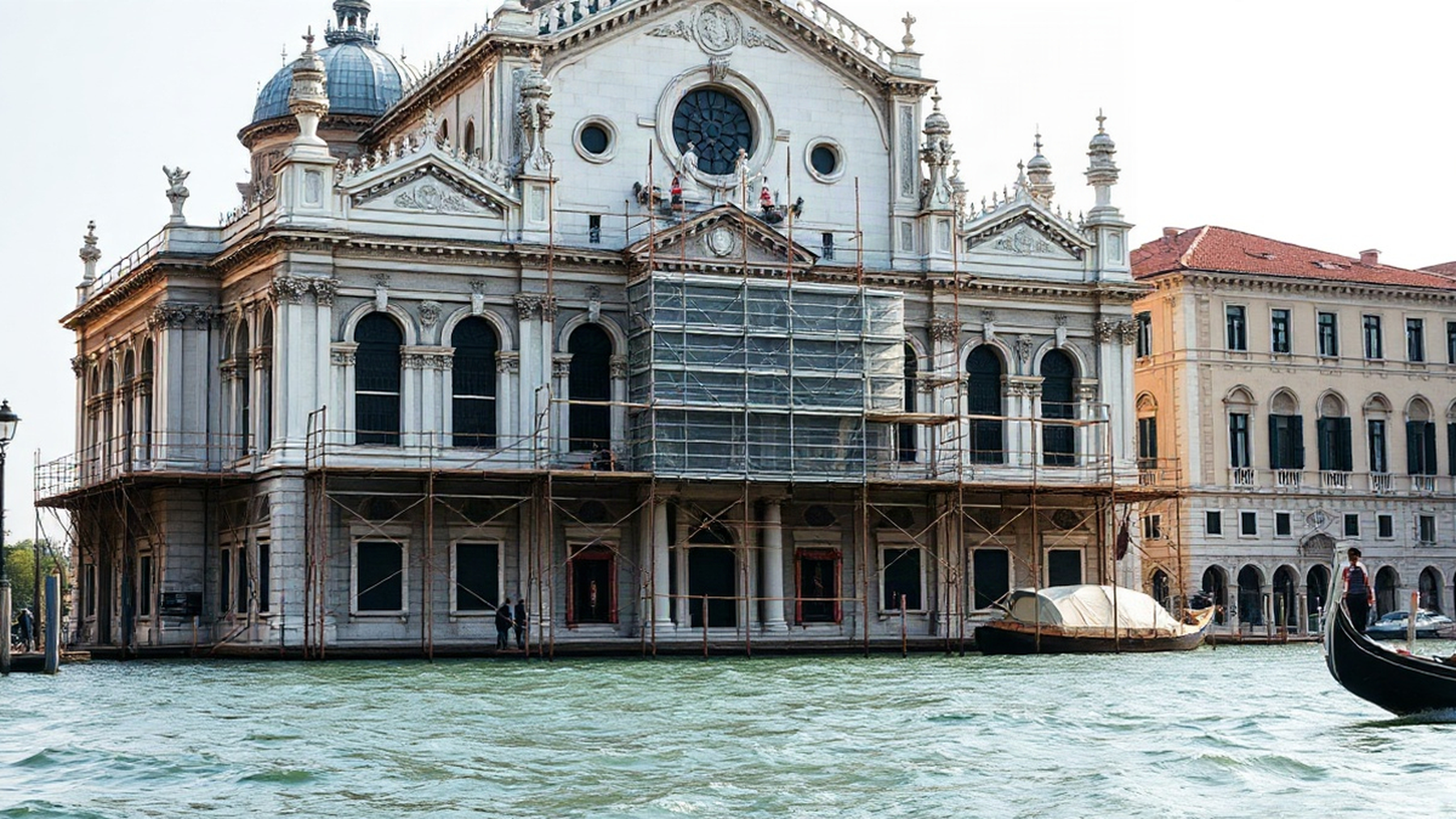
In October 2023, Venice initiated a significant restoration project for Santa Maria della Salute, showcasing the city's commitment to preserving its architectural heritage amidst ongoing environmental challenges.
At a glance
- Location
- Dorsoduro, Venice
- Best for
- Cultural heritage enthusiasts
- Time needed
- Variable; restoration ongoing
- Access/Cost
- Entry to museum requires a ticket
- Last checked date
- September 2026
A Symbol of Resilience
Santa Maria della Salute, commonly known as La Salute, is an iconic Baroque basilica located at the entrance to the Grand Canal in Venice. Built in the 17th century, it was commissioned as a vow to the Virgin Mary during a devastating plague that struck the city. This remarkable structure embodies the artistic brilliance and spiritual devotion of the Venetian people, serving as a testament to their resilience in the face of adversity.
Historical Context
The construction of Santa Maria della Salute began in 1631 and took nearly 50 years to complete, reflecting the profound impact of the plague on Venice's population and society. Dedicated to Our Lady of Health, the basilica was designed by architect Baldassare Longhena, whose vision resulted in a stunning blend of architectural styles. The church's distinctive dome and elaborate façade have made it a central feature of the Venetian skyline and a significant cultural landmark.
Restoration Efforts
In October 2023, the City of Venice announced a comprehensive restoration project for Santa Maria della Salute. This initiative underscores the city's commitment to preserving its architectural heritage amid the environmental challenges posed by climate change and rising sea levels. Previous restoration efforts have been extensive and meticulous, including the careful restoration of over 4,500 pieces of marble from the basilica's inlaid floor. The current project aims to address structural concerns, enhance the basilica's aesthetic appeal, and ensure its longevity for future generations.
The Importance of Preservation
According to UNESCO, the preservation of Venice's cultural heritage is vital not only for maintaining its historical identity but also for supporting its tourism-driven economy. As one of the most visited cities in the world, Venice relies on its historical sites to attract millions of tourists each year. The ongoing restoration of Santa Maria della Salute aligns with this vision, as local authorities collaborate with international partners to safeguard the city's artistic treasures. By investing in preservation, Venice aims to sustain its cultural legacy while confronting modern challenges.
Community Involvement
The restoration of Santa Maria della Salute is not just a technical endeavor; it represents a broader community effort. Local artisans and craftsmen are deeply involved, using traditional methods to restore the basilica's features. Their expertise is invaluable, ensuring that the restoration remains authentic to the original craftsmanship. This collaboration reflects the city's commitment to maintaining its cultural identity and providing opportunities for local talent to contribute to the preservation of its heritage.
Environmental Challenges
As Venice faces significant threats from climate change, including increased flooding and erosion, the restoration of Santa Maria della Salute serves as a critical reminder of the importance of protecting historical sites. The city's unique geographical location makes it particularly vulnerable, and initiatives like this restoration project aim to bolster the resilience of its architectural landmarks. By addressing these environmental challenges, Venice is taking proactive steps to ensure that its cultural heritage can withstand the test of time.
Conclusion
The restoration of Santa Maria della Salute is a significant step toward preserving Venice's architectural heritage. It not only symbolizes the city's rich history and artistic achievements but also represents hope for the future. As Venice navigates the complexities of modern environmental challenges, projects like this serve as a beacon of dedication and collaboration. By prioritizing the restoration of its cultural treasures, Venice reinforces its identity as a city that values its past while looking forward to a sustainable future.
Impact on Local Economy
The restoration of Santa Maria della Salute is not only a cultural endeavor but also a significant contributor to Venice's local economy. The influx of tourists and the preservation of cultural landmarks play a crucial role in sustaining various sectors, including hospitality, retail, and local artisan crafts. According to reports, the presence of historical sites such as La Salute attracts millions of visitors annually, and the ongoing restoration efforts are expected to enhance this appeal further. By investing in the restoration of such iconic structures, Venice reinforces its position as a premier destination for cultural tourism, which is vital for local livelihoods.
Artistic Collaborations
The restoration project of Santa Maria della Salute involves a variety of artistic collaborations aimed at preserving the basilica's intricate details. Local artisans, including stone masons and fresco painters, are engaged in the process, ensuring that restoration works are carried out using traditional techniques that reflect the original artistry. This commitment to authenticity not only respects the historical significance of the basilica but also fosters a sense of pride within the local community. Workshops and training sessions are organized to pass on these traditional skills, ensuring that the knowledge essential for Venice's artistic heritage is not lost.
Innovative Preservation Techniques
As Venice confronts the challenges presented by climate change, the restoration of Santa Maria della Salute employs innovative preservation techniques to enhance the structure's resilience. Researchers and engineers are collaborating to implement advanced materials and methods that can withstand the impacts of rising sea levels and increased flooding. Techniques such as hydrophobic treatments for the marble surface and the installation of advanced drainage systems are being explored to protect the basilica from water damage. These innovative approaches aim to not only restore the basilica but also ensure its survival against future environmental threats.
The Role of International Partnerships
The restoration of Santa Maria della Salute is supported by international partnerships that bring together expertise from various fields. Collaborations with global organizations dedicated to cultural heritage preservation, such as UNESCO and Save Venice Inc., facilitate the sharing of knowledge and resources. These partnerships enhance the scope of the restoration efforts, providing access to funding, technical guidance, and best practices from other restoration projects worldwide. The involvement of international stakeholders underscores the universal value of Venice's cultural heritage and the collective responsibility to protect it for future generations.
Frequently asked questions
What is “Reviving the Past: Santa Maria della Salute Restoration” about?
In October 2023, Venice initiated a significant restoration project for Santa Maria della Salute, showcasing the city's commitment to preserving its architectural heritage amidst ongoing environmental challenges.
What is the key fact about “Reviving the Past: Santa Maria della Salute Restoration”?
Dorsoduro, Venice
What should readers know about “A Symbol of Resilience”?
Santa Maria della Salute, commonly known as La Salute, is an iconic Baroque basilica located at the entrance to the Grand Canal in Venice. Built in the 17th century, it was commissioned as a vow to the Virgin Mary during a devastating plague that struck the city. This remarkable structure embodies the artistic brilliance and spiritual devotion of the Venetian people, serving as a testament to their resilience in the face of adversity.
Sources
- “Santa Maria della Salute,” Wikipedia. Source link
- “Inlay floor of the Basilica di Santa Maria della Salute – Venice,” Alfier. Source link
- “UNESCO Archives in Venice: a gateway to cultural heritage,” UNESCO. Source link
This article was independently researched and produced. No payment, complimentary service or editorial approval was provided by the places mentioned.