
In brief
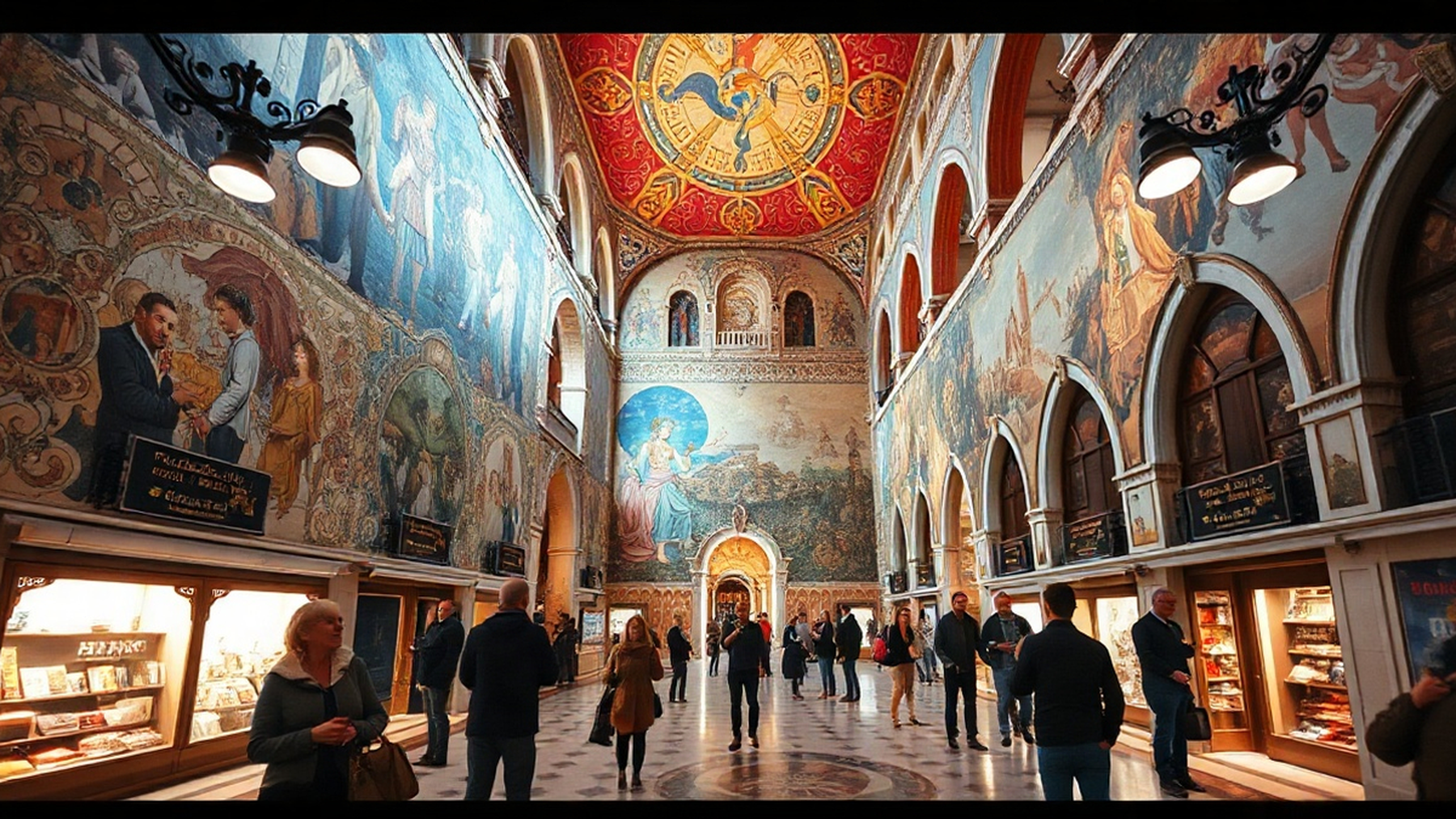
The recent restoration of the mosaics at San Marco Basilica has unveiled intricate Byzantine artistry, enhancing our understanding of Venice's rich cultural heritage.
At a glance
- Where
- Basilica di San Marco, Venice
- Best for
- Cultural heritage exploration
- Time needed
- 1 hour
- Access/cost
- Entry is free; guided tours available at a fee
- Last checked date
- September 2023
- Restoration cost
- 3.3 million euros
A Reflection of Byzantine Influence
The mosaics at the Basilica di San Marco are among the most significant representations of Byzantine art in Venice. Dating back to the 11th to 13th centuries, these mosaics narrate the spiritual and historical saga of Venice, mirroring the city's rise as an influential maritime power. The mosaics not only showcase religious themes but also reflect the political ambitions and cultural exchanges that shaped the city during its golden age.
The Restoration Project
In September 2023, a meticulous restoration effort was completed, costing around 3.3 million euros. This project was essential due to years of exposure to humidity, pollution, and other environmental factors that had degraded the mosaics. Restorers employed traditional Venetian glass and natural stone in their work, ensuring that the new additions would harmonize with the original mosaics. This adherence to traditional materials allowed for previously obscured details to come to light, enhancing the overall visual experience for visitors.
New Discoveries
The restoration revealed previously hidden aspects of the mosaics, providing deeper insight into the artistic techniques employed during the Byzantine era. The vibrant colors and intricate details of the glass pieces are now more visible, inviting visitors to appreciate the skill and artistry that went into their creation. The restoration process, which has been documented in various studies, highlights the importance of preserving such cultural artifacts to maintain their historical and artistic significance.
Understanding Venice's Cultural Landscape
These mosaics are not merely decorative; they serve as a narrative of Venice itself. They depict scenes from the New Testament and reflect the city’s spiritual life, showcasing the melding of different artistic influences that characterize Venetian culture. The mosaics in San Marco reveal the complex interactions between Byzantine and local artistic traditions, which helped to create a unique expression of spirituality and civic pride. This cultural richness is a vital part of the city's identity, illustrating how art can convey the historical and spiritual essence of a community.
Planning Your Visit
Visiting San Marco Basilica is a must for anyone interested in art and history. The basilica's mosaics cover an area of about 8,000 square meters, making it one of the largest collections of mosaics in the world. Consider taking a guided tour to gain a deeper understanding of the mosaics and their significance, providing context to what was once lost and is now beautifully restored. Such tours can offer insights into the artistic processes and historical context, enriching your experience.
Conclusion
The restoration of the mosaics at San Marco Basilica not only revitalizes a critical component of Venice's cultural heritage but also enhances our understanding of Byzantine art’s influence on Venetian history. By preserving these mosaics, we ensure that future generations can appreciate the intricate artistry and the stories they tell, making them an essential part of Venice's legacy.
The Techniques Behind the Artistry
The mosaics in San Marco Basilica are renowned not only for their aesthetic appeal but also for the unique techniques employed in their creation. Byzantine mosaics typically use small pieces of colored glass, known as tesserae, which are meticulously arranged to form intricate designs. In Venice, artisans have historically favored the use of glass that reflects light, creating a shimmering effect that enhances the visual impact of the mosaics. This technique is especially evident in pieces that incorporate gold leaf, sandwiched between glass layers, to produce a radiant glow.
Restorers have committed to preserving these traditional methods during the recent restoration, ensuring that any new tesserae match both in color and size with the original materials. The result is a seamless integration of restored sections with their historic counterparts, allowing for an uninterrupted viewing experience that honors the original craftsmanship.
Cultural Significance of the Mosaics
The mosaics of San Marco serve as a crucial narrative device, encapsulating the religious and political history of Venice. Each panel tells a story, depicting scenes from the New Testament, the lives of saints, and important events in Venetian history, such as the translation of St. Mark's relics from Alexandria in 828 AD. These images not only reflect the faith of the city’s inhabitants but also symbolize Venice's historical ties to the broader Christian world.
Moreover, the mosaics illustrate the blend of influences that characterized Venice as a crossroads of cultures. The incorporation of Eastern motifs alongside Latin iconography highlights the city’s role as a melting pot of ideas and artistic traditions, shaping a unique Venetian identity that persists to this day.
Visitor Experience and Educational Opportunities
For visitors to San Marco, the experience extends beyond mere observation; it offers an opportunity for educational enrichment. The basilica frequently hosts guided tours led by knowledgeable experts who provide insights into the history and significance of the mosaics. These tours often include discussions about the restoration process and the challenges faced in maintaining such a monumental structure.
Additionally, the basilica provides informational materials and multimedia presentations that enhance visitor understanding of the intricate artistry involved. For those unable to attend in person, virtual tours and online resources are increasingly available, allowing a global audience to engage with Venice’s cultural treasures from afar.
Future Preservation Efforts
The restoration of the mosaics is part of a broader commitment to preserve Venice's architectural heritage, which faces ongoing threats from environmental factors such as rising sea levels and pollution. Future preservation efforts will focus on monitoring the condition of the mosaics, developing advanced conservation techniques, and implementing sustainable practices to protect both the art and the structure of the basilica.
Collaboration between local authorities, conservation experts, and international organizations is essential for creating a long-term preservation strategy. By raising awareness and fostering community involvement, Venice aims to ensure that its cultural heritage remains intact for generations to come, solidifying the city’s status as a vital center of art and history in the modern world.
Frequently asked questions
What is “The Lost Mosaics of San Marco: A Restoration Success” about?
The recent restoration of the mosaics at San Marco Basilica has unveiled intricate Byzantine artistry, enhancing our understanding of Venice's rich cultural heritage.
What is the key fact about “The Lost Mosaics of San Marco: A Restoration Success”?
Basilica di San Marco, Venice
What should readers know about “A Reflection of Byzantine Influence”?
The mosaics at the Basilica di San Marco are among the most significant representations of Byzantine art in Venice. Dating back to the 11th to 13th centuries, these mosaics narrate the spiritual and historical saga of Venice, mirroring the city's rise as an influential maritime power. The mosaics not only showcase religious themes but also reflect the political ambitions and cultural exchanges that shaped the city during its golden age.
Sources
- “3.3 million euros for the restoration of St. Mark's Basilica in Venice,” Life in Italy. Source link
- “Mosaics in Venice: what Heaven is made of,” SeeVenice. Source link
This article was independently researched and produced. No payment, complimentary service or editorial approval was provided by the places mentioned.