
In brief
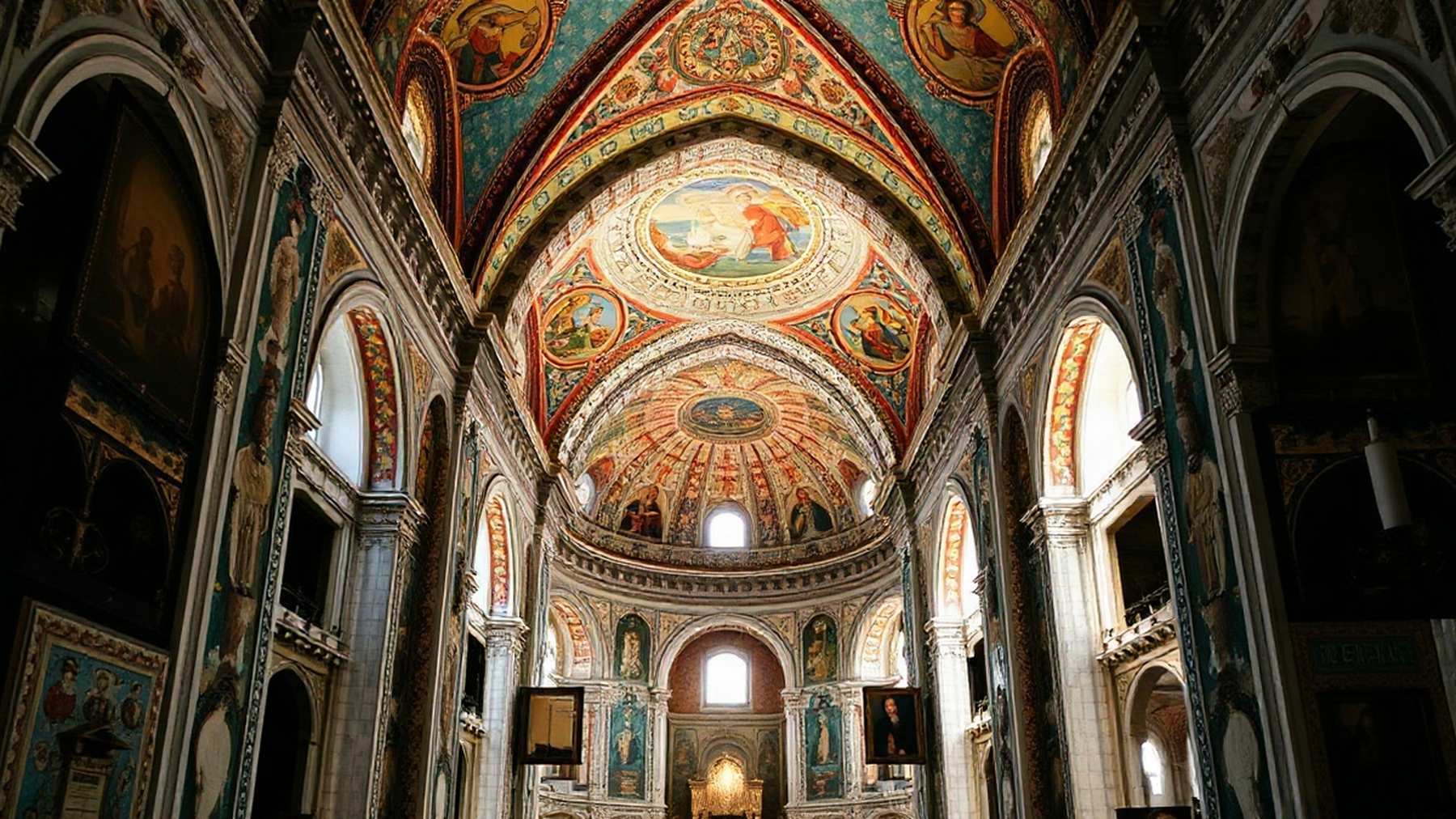
In October 2023, the restoration of the Basilica di San Marco's mosaics was completed, revealing vibrant biblical depictions obscured for decades.
At a glance
- Where
- Basilica di San Marco, Venice
- Best for
- Art and history enthusiasts
- Time needed
- 1-2 hours for a thorough visit
- Access/Cost
- Free entry to the basilica; guided tours may have fees
- Last checked date
- September 2026
Unveiling a Hidden Heritage
The long-anticipated restoration of the mosaics in the Basilica di San Marco has finally reached completion as of October 2023. This restoration, which began in 2021, has illuminated intricate details of biblical scenes that had been obscured by years of grime and neglect.
The mosaics within the Basilica represent a significant chapter in Venice’s history, showcasing the city's artistic evolution from its Greek-Byzantine roots to local adaptations. These artworks are not merely decorative; they encapsulate the ambitions, faith, and cultural exchanges that have characterized Venice over the centuries.
The Mosaic Wonderland
Visitors to the basilica can now admire the vibrant colors and fine details of the mosaics, which depict various biblical events, including significant narratives from both the Old and New Testaments. The narthex, a feature typical of Byzantine architecture, is adorned with mosaics that date back to the 13th century, representing stories that have shaped the spiritual and cultural framework of Venice.
These mosaics serve as a testament to the city’s historical ties with Byzantium, reflecting its role as a cultural melting pot. As one walks through the basilica, it’s impossible not to feel the weight of history embedded in every tile. The scenes are a visual narrative that connects the viewer to centuries of devotion and artistry.
A Labor of Love
The restoration process itself was meticulous, involving specialists who employed advanced techniques to preserve the integrity of the mosaics while cleaning them. This careful approach ensures that the mosaics not only retain their aesthetic beauty but also their historical significance. The project faced numerous challenges, particularly in addressing the environmental factors that contribute to the deterioration of artworks in a city known for its unique ecosystem.
The results of this painstaking restoration are a vibrant, sparkling mosaic that invites both locals and tourists to reflect on the city’s cultural narrative. The work undertaken highlights the importance of preserving such intricate works of art, especially in a city like Venice, where the interplay of water and architecture creates ongoing preservation challenges.
Visiting the Basilica Today
For those wishing to experience the newly restored mosaics, the Basilica di San Marco is open to visitors. While entry is generally free, it is advisable to check for any guided tours that may offer deeper insights into the artwork and history of the basilica. The restoration not only enhances the visual splendor of the basilica but also rekindles interest in the narratives these mosaics tell, connecting us with the past of this remarkable city.
The mosaics are a focal point of the basilica, and their restoration has reignited appreciation for the craftsmanship and stories they convey. As visitors explore the basilica, they encounter a blend of history and artistry that is uniquely Venetian.
The Significance of the Mosaics
The mosaics of the Basilica di San Marco are not just artistic treasures; they are historical documents that narrate the evolution of Venice itself. Dating from the 11th to the 13th centuries, these mosaics showcase a fusion of eastern and western artistic influences, marking Venice as a crossroads of cultures. The biblical themes depicted in the mosaics resonate with the city's identity as a center of trade and cultural exchange, where diverse influences converged to create a unique Venetian art style.
Furthermore, the architectural layout of the basilica, including the narthex and the central dome, is designed to enhance the visual impact of these mosaics. This thoughtful integration of art and architecture serves to elevate the spiritual experience for visitors, making the basilica a profound site of reflection and admiration.
Conclusion
The completion of the restoration of the mosaics in the Basilica di San Marco marks a significant milestone in the ongoing efforts to preserve Venice's cultural heritage. As the city navigates the challenges of modernization and environmental change, the restoration of these mosaics serves as a reminder of the importance of art in understanding and celebrating our shared history.
Whether you are an art enthusiast, a history buff, or a curious traveler, the Basilica di San Marco offers an array of experiences that connect you to the heart of Venice. The restored mosaics not only beautify the basilica but also enrich the narratives that have shaped this iconic city over the centuries.
The Artistic Techniques Behind the Mosaics
The mosaics of the Basilica di San Marco are a remarkable example of the artistry and craftsmanship that defined Venetian art from the 11th to the 13th centuries. The technique employed in creating these mosaics involves the use of small pieces of colored glass, stone, and gold leaf, which are meticulously assembled to form intricate designs and images. Each piece, known as a tessera, is carefully selected not only for its color but also for its ability to reflect light, creating a shimmering effect that enhances the overall visual impact.
The artists who worked on these mosaics were influenced by Byzantine styles, incorporating elements such as rich colors and elaborate iconography. This fusion of styles resulted in a unique Venetian aesthetic that conveys both religious significance and artistic innovation. The use of gold tesserae, particularly, emphasizes the divine light in the representations of heavenly scenes, drawing the viewer’s eye and fostering a sense of reverence.
Cultural Significance and Historical Context
The mosaics serve as a historical narrative, showcasing significant events and figures from Christian tradition, particularly those that resonate with the identity of Venice. For instance, the mosaics depicting the life of Saint Mark, the city’s patron saint, are particularly prominent and serve to reinforce Venice's connection to its early Christian roots and its status as a major maritime power. The stories illustrated in the mosaics reflect the city’s trade connections with the East and its role as a bridge between cultures.
Additionally, these mosaics are imbued with political significance, as they were often commissioned by the ruling elites of Venice to showcase their power and piety. The narrative of the mosaics aligns with the aspirations of Venice to be viewed not just as a commercial hub but as a center of spiritual authority, particularly during the height of its influence in the Mediterranean.
The Ongoing Restoration Efforts
The recent restoration of the mosaics is part of a broader initiative to preserve Venice's cultural heritage in the face of environmental challenges and urban development pressures. The restoration process is ongoing, with plans for future work on adjacent mosaics and other sections of the basilica that have not yet been fully restored. This commitment to preservation underscores the importance of maintaining not only the physical artworks but also the stories they tell about Venice's past.
Experts involved in the restoration have employed advanced technology, including digital imaging and micro-sampling techniques, to analyze the mosaics' condition and to inform the cleaning and repair processes. This scientific approach allows for a more nuanced understanding of the materials and techniques used by the original artists, ensuring that restoration efforts honor the integrity of the original works while making them accessible to contemporary audiences.
Visitor Experience and Educational Opportunities
For visitors, experiencing the mosaics in person offers a profound opportunity to connect with Venice's history and artistry. The basilica provides informative signage and guided tour options that delve into the historical context and artistic techniques behind the mosaics, enriching the visitor experience. Special exhibitions occasionally highlight specific aspects of the mosaics, allowing for a deeper appreciation of their artistic and cultural significance.
In addition to the visual splendor of the mosaics, the basilica itself is an architectural marvel, with its grand domes and ornate facades. The interplay between the mosaics and the structure enhances the spiritual atmosphere of the basilica, making it a must-visit for anyone seeking to understand the essence of Venetian culture. Educational programs and workshops related to mosaic art are also offered, providing a hands-on approach for those interested in this ancient craft.
Frequently asked questions
What is “The Resplendent Revival of San Marco's Mosaics” about?
In October 2023, the restoration of the Basilica di San Marco's mosaics was completed, revealing vibrant biblical depictions obscured for decades.
What is the key fact about “The Resplendent Revival of San Marco's Mosaics”?
Basilica di San Marco, Venice
What should readers know about “Unveiling a Hidden Heritage”?
The long-anticipated restoration of the mosaics in the Basilica di San Marco has finally reached completion as of October 2023. This restoration, which began in 2021, has illuminated intricate details of biblical scenes that had been obscured by years of grime and neglect.
Sources
- “Five-Year Restoration Brings New Life to Mosaics of St. Mark's Basilica in Venice,” ITALY Magazine. Source link
- “Mosaics in the Basilica di San Marco, Venice,” WGA. Source link
This article was independently researched and produced. No payment, complimentary service or editorial approval was provided by the places mentioned.