
In brief
The Venice Carnival 2023, from February 4 to 21, celebrates local craftsmanship while addressing the need for sustainable tourism practices in Venice.
At a glance
- Where
- Venice, various historic locations
- Best for
- Experiencing local culture and craftsmanship
- Time needed
- 4-6 days for complete immersion
- Access/cost
- Most events are free; some may have fees
- Last checked date
- September 2026
- Theme
- 'Take your Time for the Original Signs'
Celebrating a Time-Honored Tradition
The Venice Carnival returned in 2023, running from February 4 to 21, inviting locals and visitors alike to immerse themselves in a celebration steeped in history. The theme, 'Take your Time for the Original Signs,' resonated throughout the community, fostering a deeper appreciation for the carnival's cultural roots.
The Carnival's Historical Context
With origins dating back to the 12th century, the Venice Carnival has evolved into a significant cultural expression. Initially emerging after a military victory, the festival became a highlight of Venetian culture, particularly during the Renaissance. It symbolizes freedom and social equality, and continues to celebrate the unique spirit of Venice through intricate masks and vibrant costumes that reflect the city’s artistic legacy.
The Role of Artisans in the Carnival
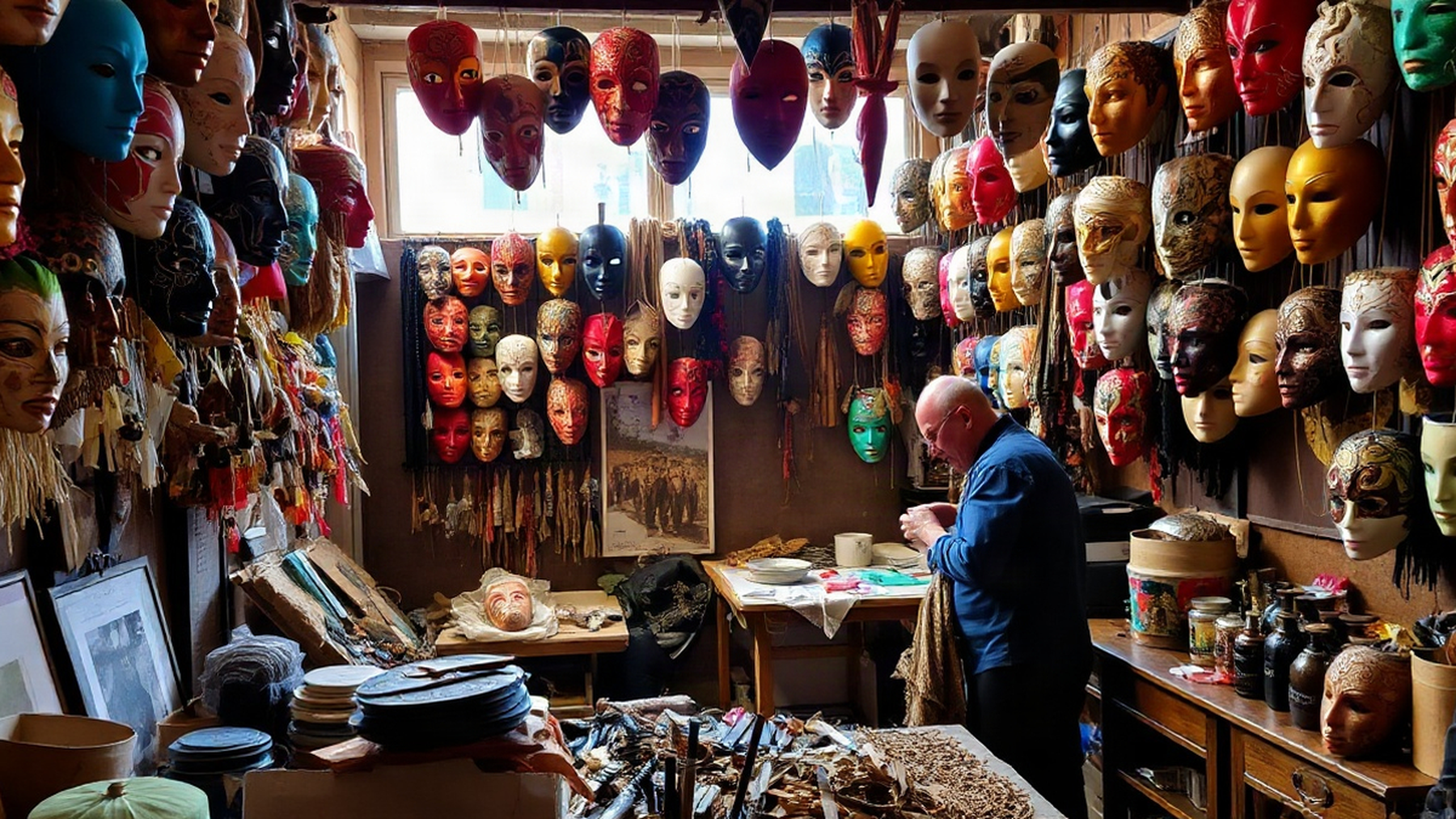
Artisans play a crucial role in the carnival's identity. Workshops like Ca' Macana and the studio of Carlo Setti are at the forefront of mask-making, showcasing the craftsmanship that has defined the carnival for centuries. These artisans maintain traditional techniques while innovating to meet contemporary tastes, fostering a dynamic interplay between the past and present. Their dedication ensures that each mask tells a story, embodying the history and culture of Venice.
Events and Celebrations
The carnival features a range of events, including parades, masked balls, and street performances. The Arsenale serves as a key venue for grand spectacles, including floating parades that transform the waterways of Venice into a vibrant stage. Throughout the city, music and shows fill the streets, inviting everyone to partake in the festivities. Visitors can explore the calli and campi of Venice, where each corner reveals unique performances that celebrate local culture and artistic expression.
Addressing Sustainability Concerns
As the carnival attracts global attention, concerns about mass tourism's impact on Venice's fragile ecosystem have grown. Local artisans advocate for sustainable practices, emphasizing the importance of balancing celebration with environmental stewardship. Many artisans are committed to using eco-friendly materials and practices in their work, reflecting a conscious effort to protect the city and its heritage. This commitment to sustainability is crucial as Venice faces the challenges of preserving its cultural and environmental integrity amid increasing visitor numbers.
A Vision for a Sustainable Future
The Venice Carnival 2023 serves not only as a vibrant celebration but also as a platform for dialogue about responsible tourism. As the city comes alive with festivities, there is a collective hope that visitors will engage in a manner that respects Venice’s delicate heritage. By supporting local artisans and participating in sustainable practices, both locals and tourists can contribute to the preservation of Venice's unique culture and environment.
Conclusion
The Venice Carnival remains a testament to the city's rich traditions and artistic spirit. As it continues to evolve, the integration of sustainability into its framework is essential. The 2023 celebrations highlighted the importance of local craftsmanship and the need for responsible tourism, ensuring that this beloved festival can thrive for generations to come.
Events Highlighting Local Culture
The Venice Carnival 2023 featured an array of events designed to immerse visitors in the rich local culture. Among the most notable was the grand parade at the Arsenale, which showcased not only the iconic floats but also performances by local musicians and dancers. The parade celebrated traditional Venetian music, incorporating elements of folk songs that have been passed down through generations. Street performers adorned in vibrant costumes brought the calli and campi to life, transforming every corner of Venice into a stage for artistic expression.
In addition to the parades, the carnival included numerous workshops where visitors could learn about the art of mask-making. Workshops at renowned studios like Ca' Macana offered attendees the chance to create their own masks, guided by skilled artisans. This hands-on experience not only provided a creative outlet but also allowed participants to appreciate the craftsmanship and dedication that go into each mask.
Gastronomic Delights of the Carnival
The culinary aspect of the Venice Carnival is equally important, as local cuisine plays a significant role in the cultural celebration. Traditional dishes like frittelle, sweet fried dough pastries filled with cream or fruit, are a staple during this festive season. Visitors indulged in these treats from street vendors while enjoying the carnival atmosphere. The festival also featured culinary events that showcased Venetian specialties, allowing attendees to sample local wines, cheeses, and seafood dishes.
Food stalls and restaurants across the city embraced the carnival spirit by offering themed menus, incorporating seasonal ingredients that reflect the flavors of Venice. These gastronomic experiences provided not only nourishment but also an opportunity to connect with the local culture through its culinary heritage.
Preservation of Venetian Heritage
As the Venice Carnival continues to grow, the preservation of the city's heritage has become a focal point of the festival. Local organizations and artisans are increasingly emphasizing the importance of maintaining traditional practices in craftsmanship and cultural expressions. This commitment is evident in the efforts to promote the use of local materials and sustainable methods in the creation of carnival costumes and masks.
Moreover, educational initiatives during the carnival aimed to raise awareness about the significance of preserving Venice’s historical sites and artistic traditions. Workshops and talks hosted by cultural historians and artisans provided insights into the techniques and materials used in traditional Venetian crafts. These efforts are crucial in ensuring that future generations can appreciate and participate in the carnival's legacy.
The Global Impact of the Carnival
The Venice Carnival not only celebrates local culture but also attracts a global audience, fostering cultural exchange and understanding. With visitors from around the world, the event serves as a melting pot of ideas, traditions, and artistic expressions. This international presence highlights Venice's role as a cultural hub, where diverse influences converge to create a unique carnival experience.
In recent years, the carnival has also been a platform for addressing global issues, such as climate change and sustainability in tourism. By promoting responsible tourism practices, the carnival encourages visitors to engage with the city in a way that respects its fragile environment and cultural heritage. This message resonates with many attendees, who are increasingly conscious of their impact on the places they visit.
Frequently asked questions
What is “Venice Carnival 2023: A Celebration of Heritage and Sustainability” about?
The Venice Carnival 2023, from February 4 to 21, celebrates local craftsmanship while addressing the need for sustainable tourism practices in Venice.
What is the key fact about “Venice Carnival 2023: A Celebration of Heritage and Sustainability”?
Venice, various historic locations
What should readers know about “Celebrating a Time-Honored Tradition”?
The Venice Carnival returned in 2023, running from February 4 to 21, inviting locals and visitors alike to immerse themselves in a celebration steeped in history. The theme, 'Take your Time for the Original Signs,' resonated throughout the community, fostering a deeper appreciation for the carnival's cultural roots.
Sources
- “Carnival of Venice: Culture, history and origins,” Ninfea Venice. Source link
- “The Art of Venetian Masks for the Carnival of Venice,” Craftsmanship Magazine. Source link
This article was independently researched and produced. No payment, complimentary service or editorial approval was provided by the places mentioned.