
In brief
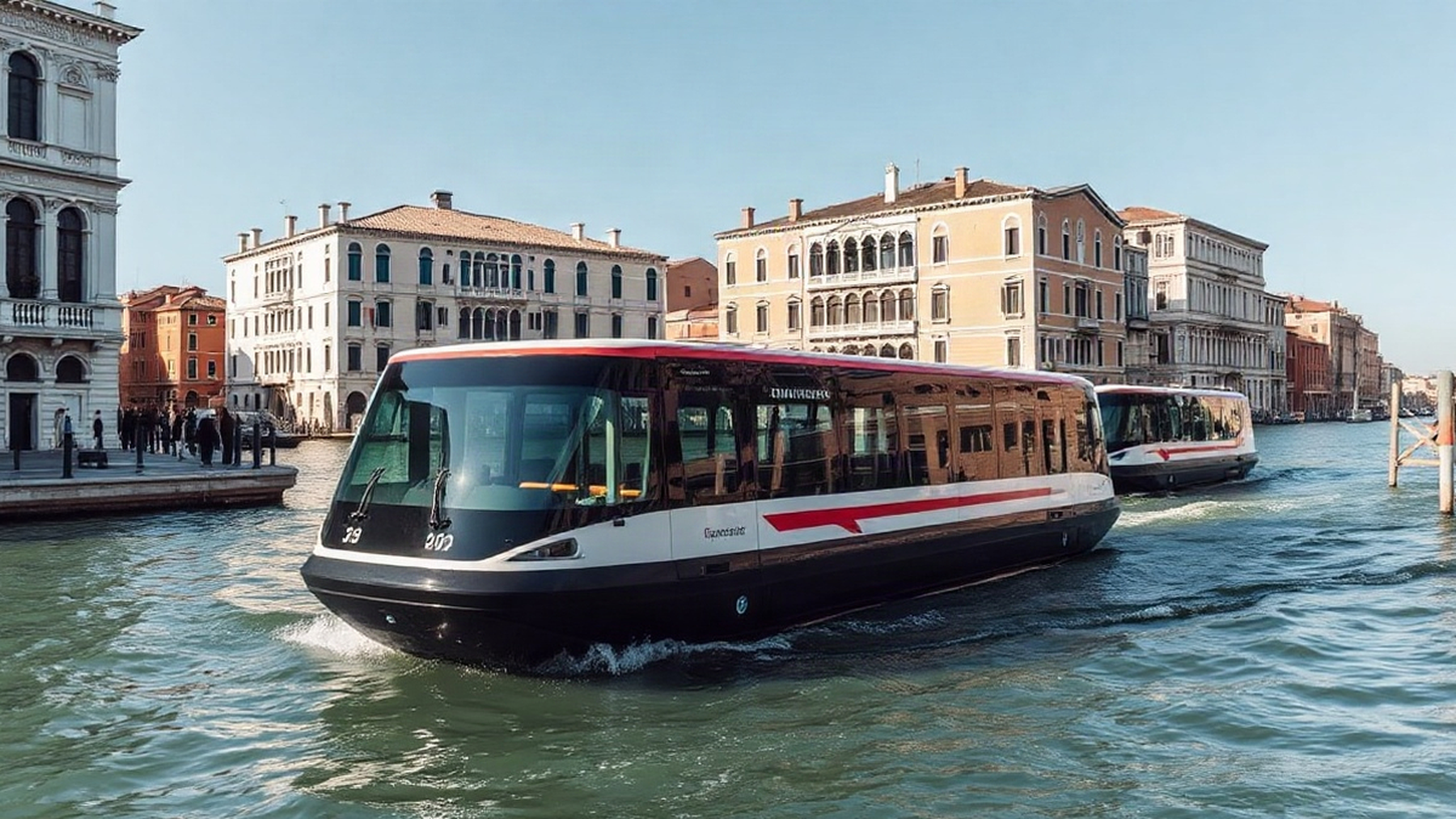
Venice has embarked on a pilot program to electrify its iconic water bus fleet, starting with selected routes. This initiative aims to reduce emissions, enhance air quality, and promote sustainable tourism in the city, aligning with broader European trends in green public transport.
At a glance
- Where
- Venice, Italy
- Best for
- Eco-conscious travelers
- Time needed
- Approximately 1 hour per ride
- Access/cost
- Regular water bus fares apply
- Technology
- Electric propulsion
- Last checked
- September 2023
Introduction to Venice's Green Transport Initiative
In September 2023, Venice launched a groundbreaking pilot program aimed at transforming its public transportation system by electrifying its water buses, locally known as vaporetti. This initiative is part of a larger effort to combat pollution and improve air quality within the city's iconic canal network. As a city that has been defined by its waterways for centuries, this move represents a significant step towards integrating sustainable technology with traditional infrastructure.
The Scope of the Pilot Program
The pilot program focuses on converting a portion of the existing fleet of diesel-powered water buses to electric propulsion. This effort is not just a local endeavor but part of a broader European trend towards adopting green public transport solutions. The conversion process involves retrofitting existing vessels with electric engines, significantly reducing emissions and noise pollution. The introduction of electric water buses is expected to not only enhance the quality of life for residents but also preserve the natural beauty and cultural heritage of Venice for future generations.
Challenges and Opportunities
Implementing electric propulsion in a historic city like Venice presents unique challenges. The city's narrow canals and historic architecture require careful planning to integrate modern technology without compromising its aesthetic and structural integrity. However, the potential benefits are substantial. Electric water buses promise quieter operation, reducing noise pollution that has long been a concern for residents and visitors alike. Additionally, the reduction in greenhouse gas emissions aligns with Venice's broader environmental goals and contributes to global efforts to address climate change.
Community and Tourist Engagement
The shift to electric water buses is expected to offer a quieter, more efficient, and potentially more reliable service for both residents and tourists. This change is anticipated to promote more sustainable tourism practices, encouraging visitors to appreciate the delicate ecosystem of Venice's lagoon. As the pilot progresses, it is hoped that the community will embrace these changes, leading to a broader cultural shift towards environmental stewardship.
Looking Ahead
The pilot program is just the beginning of Venice's journey towards sustainable transportation. As the city evaluates the success of the initial conversions, plans are in place to expand the electrification to more routes and potentially other forms of water transport. This vision aligns with global trends in sustainable urban mobility and reinforces Venice's commitment to preserving its unique environment. By investing in electric water buses, Venice is not only enhancing its public transport system but also setting a precedent for other historic cities worldwide.
Conclusion
Venice's initiative to electrify its water buses is a forward-thinking move that highlights the city's dedication to sustainability and innovation. As the world continues to grapple with environmental challenges, projects like this serve as a beacon of hope, demonstrating the possibilities of harmonizing modern technology with historical preservation. The success of this pilot program could pave the way for further advancements in green transportation, not only in Venice but in cities across the globe.
Technological Advancements in Electrification
The transition from diesel to electric water buses in Venice involves a sophisticated integration of cutting-edge technologies. The conversion process is not merely about replacing engines but includes installing advanced energy-storage systems and ensuring the vessels' electrical infrastructure can support continuous operations. This includes integrating lithium-ion battery systems known for their high energy density and reliability. The adoption of these technologies is part of a broader initiative to future-proof Venice's transportation network against the rising demands of eco-friendly travel.
Collaborative Efforts and Global Partnerships
Venice's electrification project is bolstered by extensive collaboration with global innovators and environmental agencies. The Sustainable Cities Challenge has been a pivotal platform, inviting international experts to contribute to the development of low-carbon transport solutions. Through this initiative, Venice has partnered with organizations like the Toyota Mobility Foundation, which supports the city's green transition by funding projects that promote innovative transport solutions. These collaborations highlight the importance of shared knowledge and resource pooling in achieving sustainable urban transformation.
Educational and Economic Impacts
Beyond environmental benefits, the move towards electric water buses is expected to have significant educational and economic impacts. Local universities and research institutions are engaging with these projects, turning Venice into a living laboratory for sustainable practices. This involvement not only fosters educational opportunities but also encourages a new generation of engineers and scientists to focus on sustainable technologies. Economically, the shift is expected to boost local industries specializing in green technologies and provide new job opportunities, contributing positively to Venice's economy while promoting a culture of sustainability.
Future Prospects and Expansion Plans
As Venice moves forward with its electrification plans, the city is exploring the potential expansion of electric propulsion beyond water buses. There are ongoing discussions about introducing hybrid and hydrogen-powered vaporetti as part of a diversified approach to sustainable transport. The integration of these technologies could further enhance the city's resilience to environmental challenges. Furthermore, Venice aims to serve as a model for other cities with historic and geographical constraints, demonstrating the feasibility of large-scale sustainable initiatives in complex urban environments.
Frequently asked questions
What is “Venice Embarks on a New Era with Electric Water Buses” about?
Venice has embarked on a pilot program to electrify its iconic water bus fleet, starting with selected routes. This initiative aims to reduce emissions, enhance air quality, and promote sustainable tourism in the city, aligning with broader European trends in green public transport.
What is the key fact about “Venice Embarks on a New Era with Electric Water Buses”?
Venice, Italy
What should readers know about “Introduction to Venice's Green Transport Initiative”?
In September 2023, Venice launched a groundbreaking pilot program aimed at transforming its public transportation system by electrifying its water buses, locally known as vaporetti. This initiative is part of a larger effort to combat pollution and improve air quality within the city's iconic canal network. As a city that has been defined by its waterways for centuries, this move represents a significant step towards integrating sustainable technology with traditional infrastructure.
Sources
- “Electrifying Water Buses: A Case Study on Diesel-to-Electric Conversion in Venice,” ResearchGate. Source link
- “The Electrification of Venice,” Solaris. Source link
- “Venice Welcomes Global Innovators to Advance Low Carbon Transport,” Toyota Mobility Foundation. Source link
This article was independently researched and produced. No payment, complimentary service or editorial approval was provided by the places mentioned.