
In brief
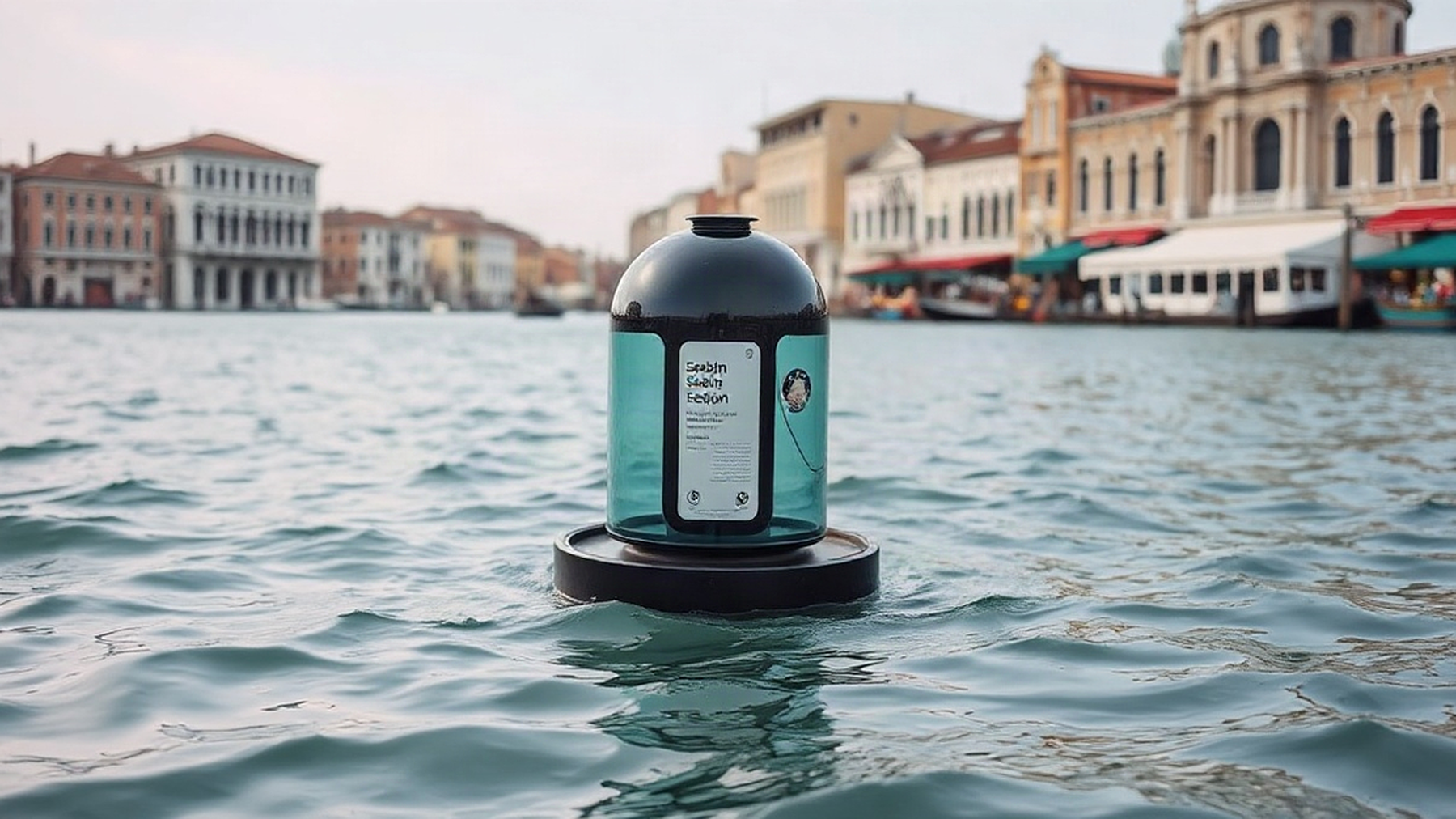
Venice's Seabin project, initiated in 2023, employs floating skimmers to collect plastic waste in the lagoon, significantly aiding in the protection of marine ecosystems.
At a glance
- Where
- Venice Lagoon
- Best for
- Environmental enthusiasts
- Time needed
- Varies
- Access/cost
- Public initiative
- Initiated
- August 2023
- Supported by
- Saipem and LifeGate
Introduction to Venice's Seabin Project
Venice, renowned for its historical architecture and scenic waterways, faces the modern challenge of plastic pollution. In August 2023, the city embarked on an innovative journey to tackle this issue through the Seabin project. This initiative is a collaboration between Saipem and LifeGate's PlasticLess project, aimed at intercepting floating debris in the lagoon and safeguarding its delicate marine ecosystems.
Understanding Seabin Technology
Seabins are state-of-the-art floating devices, designed to function in calm, sheltered waters such as marinas and ports. These devices act as trash skimmers, efficiently capturing plastic waste ranging from microplastics to larger debris. Each Seabin is capable of filtering up to 1.32 million liters of water daily, making them a powerful tool in the fight against marine pollution.
The Seabin operates by drawing water from the surface, where it captures floating debris and microplastics in a catch bag. This process not only cleans the water but also provides data on the types and amounts of waste collected, which is crucial for developing further strategies to combat pollution.
The Impact on Venice's Lagoon
Since the installation of Seabins, Venice has taken significant strides towards maintaining the cleanliness of its iconic waterways. The devices are strategically placed in areas with high waste accumulation, ensuring maximum efficiency. This initiative not only helps in cleaning the lagoon but also serves to highlight the importance of preserving Venice's natural heritage.
Local organizations, such as Venice Lagoon Plastic Free, are integral to these efforts. They support the Seabin project and aim to eradicate plastic waste in nature by 2030, aligning with Venice's commitment to the WWF’s global “Plastic Smart Cities” initiative, which promotes practices to prevent, minimize, and manage plastic waste.
Community Engagement and Education
The Seabin project extends beyond its environmental benefits, fostering community awareness and responsibility. By engaging local residents and visitors, the initiative encourages a shift in behavior towards more sustainable practices. Educational campaigns and community clean-up events are organized to raise awareness about the impact of plastic pollution and the importance of individual contributions to a cleaner environment.
Moreover, Venice Lagoon Plastic Free has been instrumental in involving the hospitality sector, contributing to the development of guidelines for Plastic Smart Tourism in Venice. Such efforts ensure that both residents and tourists are mindful of their environmental impact.
Future Prospects and Sustainability
Looking ahead, the success of the Seabin project in Venice could serve as a model for other cities facing similar challenges. The data collected from the Seabins provides valuable insights into pollution patterns, helping to inform future environmental policies and initiatives. By continuing to invest in innovative solutions and fostering a culture of sustainability, Venice stands to protect its lagoon and contribute to the global effort against plastic pollution.
As the city continues to embrace technology and community involvement, the Seabin project exemplifies how collaboration and innovation can lead to meaningful environmental change, ensuring a cleaner and healthier future for Venice and its iconic lagoon.
Challenges and Solutions in Plastic Waste Management
Despite the promising impact of the Seabin project, managing plastic waste in Venice's lagoon presents several challenges. The lagoon's unique hydrological features, coupled with the high volume of tourist traffic, exacerbate the accumulation of plastic waste. The Seabin devices, while effective in calm waters, require strategic placement to maximize their efficiency in the dynamic aquatic environment of Venice. Continuous monitoring and adjustments are necessary to ensure these devices can adapt to changing waste patterns and environmental conditions.
To address these challenges, Venice has implemented a multi-faceted approach that includes regular clean-up campaigns and stricter waste disposal regulations. Local authorities and environmental organizations collaborate to identify hotspots of plastic accumulation and deploy additional resources where needed. This comprehensive strategy not only enhances the effectiveness of the Seabins but also aligns with broader efforts to achieve sustainable waste management in the lagoon.
Innovations in Seabin Design and Functionality
The Seabin technology is continually evolving to address the complexities of marine waste management. Recent advancements include the development of more robust materials and improved filtration systems capable of capturing an even wider range of pollutants. These enhancements are crucial in dealing with the diverse types of waste found in urban waterways like Venice, where microplastics, oil residues, and organic debris often intermingle.
In addition to physical improvements, the integration of data analytics into the Seabin's operations has transformed how waste management strategies are developed. Real-time data collection allows for a detailed understanding of pollution sources and trends. This information is invaluable for policy makers and environmental groups as they craft targeted interventions to reduce plastic waste at its source. By leveraging technology, Venice not only cleans its waters but also contributes to the global body of knowledge on effective marine pollution management.
Collaborative Efforts and Global Implications
The success of Venice's Seabin initiative is a testament to the power of collaboration between public institutions, private companies, and non-profit organizations. Saipem and LifeGate have played pivotal roles in funding and implementing the project, while local groups like Venice Lagoon Plastic Free provide grassroots support and advocacy. This model of cooperation serves as an exemplary blueprint for other cities grappling with similar environmental challenges.
This comprehensive approach not only benefits Venice but also holds significant implications for global efforts to combat plastic pollution. By sharing insights and successes from the Seabin project, Venice contributes to a growing international movement aimed at preserving marine environments. As other cities adopt similar technologies and strategies, the collective impact on global ocean health could be substantial, underscoring the importance of shared goals and resources in the fight against plastic pollution.
Sources
- “A Venezia un nuovo cestino immerso che cattura la plastica dall'acqua,” Venezia Today. Source link
- “Seabin Project | Cleaning Our Oceans from Plastic Pollution,” Seabin. Source link
- “Get on board and do your bit! | Venice Lagoon Plastic Free,” Venice Lagoon Plastic Free. Source link
This article was independently researched and produced. No payment, complimentary service or editorial approval was provided by the places mentioned.