
In brief
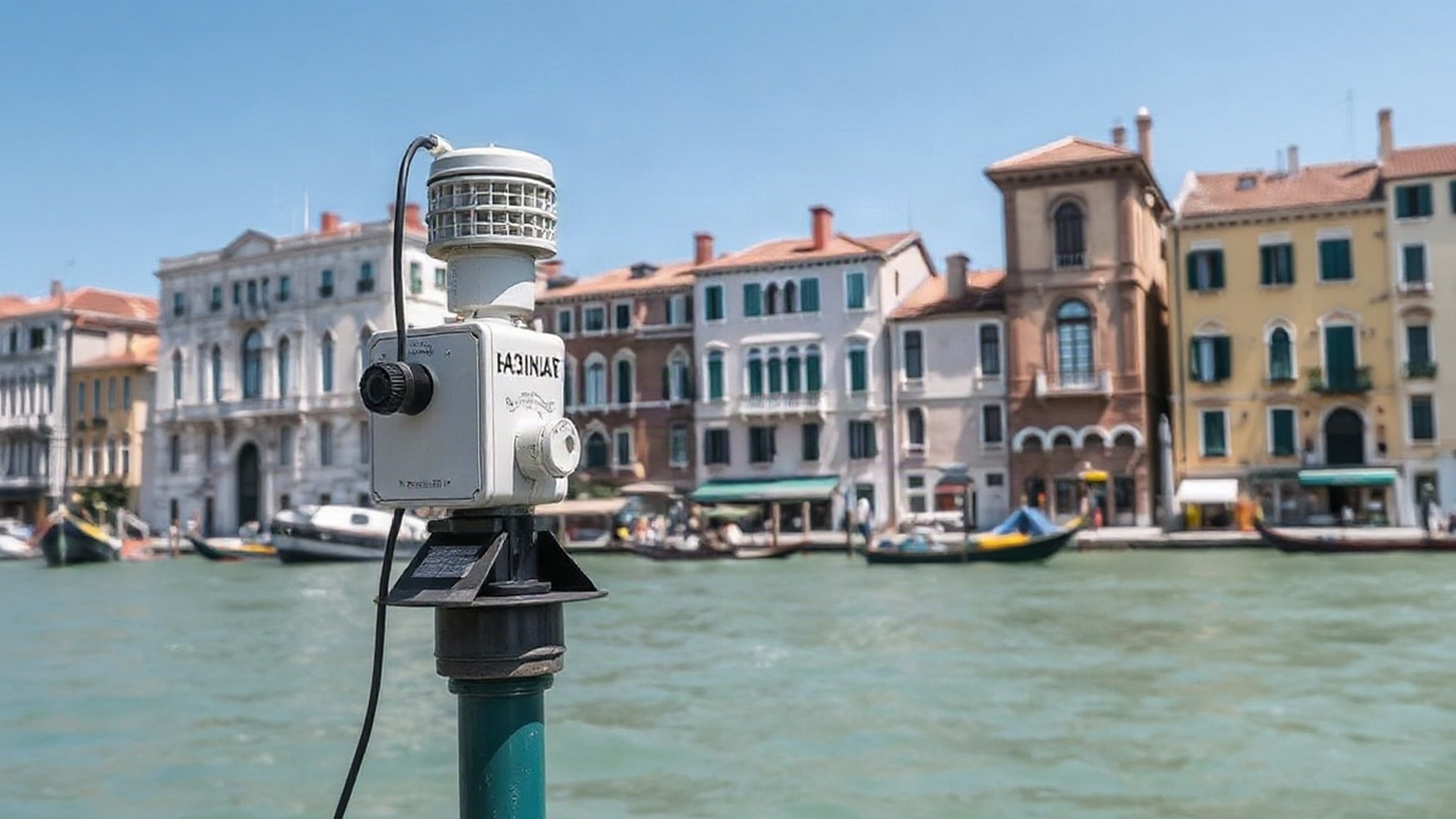
Venice's new tide monitoring system, launched in September 2023, enhances the city's ability to predict high tides and deploy effective flood prevention measures, safeguarding its historical and cultural sites from frequent inundation.
At a glance
- Where
- Venice, Italy
- Best for
- Flood prediction and management
- Time needed
- Ongoing monitoring
- Access/cost
- Government-funded initiative
- System start
- September 2023
The Challenge of Rising Tides in Venice
Venice, a city celebrated for its canals and historic architecture, faces a constant threat from rising tides. The frequency of such events has been increasing, posing significant risks to the city’s infrastructure and heritage. With climate change exacerbating these challenges, Venice has introduced a new tide monitoring system in September 2023, aimed at better predicting and managing high tides to prevent flooding.
Components of the Tide Monitoring System
The new system is part of the North Adriatic and Venice Lagoon Sea Level Measurement Network and includes 29 state-of-the-art tide gauges. These gauges are crucial for collecting data that helps the Centro Maree, Venice's tide forecasting center, to make accurate predictions. The integration of this data with meteorological forecasts allows for timely interventions, such as the activation of the MOSE flood barriers, which are raised when tides are forecasted to exceed 1.30 meters.
How MOSE Works
The MOSE (Modulo Sperimentale Elettromeccanico) project, developed in the 1990s, consists of 78 mobile barriers positioned at the inlets of the Venetian Lagoon. These barriers can be raised to separate the lagoon from the Adriatic Sea, thereby protecting the city from high tides that could otherwise inundate the streets and damage historical landmarks. The system is designed to handle tides up to three meters high and is a critical component of Venice's strategy to combat flooding.
Impact on Flood Management
The combination of real-time tidal data and precise meteorological forecasts enhances Venice's ability to prepare for high tide events. This is crucial during the high-risk period from September to April, when the city is most vulnerable to flooding, known locally as 'Acqua Alta'. By predicting these events more accurately, the city can implement protective measures in a timely manner, reducing the potential damage to its infrastructure and cultural sites.
Future Prospects and Global Implications
As global sea levels continue to rise, Venice’s commitment to developing innovative flood management solutions serves as a model for other coastal cities facing similar threats. The integration of advanced technology and traditional infrastructure reflects a proactive approach to urban planning in the face of climate change. Venice's new tide monitoring system not only enhances its resilience but also contributes valuable insights into the broader efforts to protect coastal areas worldwide.
In conclusion, the introduction of this advanced tide monitoring system marks a significant step forward in Venice's ongoing battle against the threats posed by rising tides. By leveraging cutting-edge technology and integrating it with existing flood defense mechanisms, Venice is better equipped to safeguard its rich cultural heritage and secure its future as a vibrant, livable city.
Technological Innovations in Tide Monitoring
The advanced tide monitoring system in Venice incorporates cutting-edge technology to enhance its predictive capabilities. It leverages real-time data collection from a network of 29 strategically placed tide gauges across the North Adriatic and Venice Lagoon. These gauges provide crucial information on sea level changes and wave patterns. The system's integration with the National Sea Level Measurement Network (RMN) further strengthens its ability to predict extreme weather events. The utilization of satellite data and machine learning algorithms helps to refine predictions, providing a more comprehensive understanding of tidal movements.
Community Engagement and Preparedness
Community involvement is a key component in Venice's flood management strategy. The city's authorities have developed educational programs to increase awareness about the risks of rising tides and the measures in place to mitigate them. Residents and businesses are encouraged to participate in preparedness drills, ensuring that the community is well-informed and ready to respond effectively during high tide events. Regular updates and alerts are provided through various channels, including mobile apps and local broadcasts, enabling citizens to stay informed about impending tidal conditions.
Environmental and Economic Considerations
The implementation of the tide monitoring system also addresses environmental and economic considerations. By preventing frequent flooding, the system helps preserve the delicate ecosystems of the Venice Lagoon, which are vital for maintaining biodiversity and supporting local fisheries. Economically, the reduction in flood damage translates to significant savings on repair and restoration costs for both public and private properties. Additionally, safeguarding Venice's cultural heritage enhances its appeal as a tourist destination, ensuring the continued influx of tourism revenue, which is crucial for the city's economy.
Collaborative Efforts and Global Partnerships
The development and deployment of Venice's tide monitoring system have been supported by collaborations with international research institutions and environmental organizations. These partnerships have facilitated the exchange of knowledge and expertise, contributing to the refinement of the system's technology and methodology. By sharing insights and data with other coastal cities facing similar challenges, Venice plays a pivotal role in the global effort to combat the effects of rising sea levels. The city's proactive approach serves as a blueprint for resilience and sustainability, inspiring other regions to adopt innovative solutions for flood management.
Sources
- “Insights on the Extreme Storm Surge Event,” MDPI. Source link
- “Centro Maree | Copernicus,” Copernicus. Source link
- “MOSE - Wikipedia,” Wikipedia. Source link
This article was independently researched and produced. No payment, complimentary service or editorial approval was provided by the places mentioned.