
In brief
Mosaic restoration in Venice involves meticulous craftsmanship and traditional techniques to preserve the vibrancy of historical artworks. Artisans use natural materials and time-honored methods to ensure these mosaics remain integral to the city’s cultural heritage.
At a glance
- Where
- Venice, Italy
- Best for
- Cultural heritage enthusiasts
- Time needed
- Varies, typically weeks for major projects
- Access/cost
- Limited public access; costs vary by project
- Last checked date
- August 2026
The Historical Significance of Venetian Mosaics
Venice is renowned for its exquisite mosaics, which adorn churches and public spaces, telling stories of faith, history, and artistry. The Basilica di San Marco, with its shimmering gold mosaics, is a prime example, showcasing the city’s rich Byzantine influences. These artworks are not merely decorative; they embody centuries of craftsmanship and devotion, making their preservation imperative.
Techniques of Restoration
The restoration of mosaics is a delicate art that requires an understanding of both the material and the historical context. Artisans often begin by assessing the extent of damage, which can range from natural wear to more severe degradation caused by environmental factors such as moisture and pollution. Once assessed, they meticulously clean the surface, often using soft brushes and mild solvents to avoid further damage.
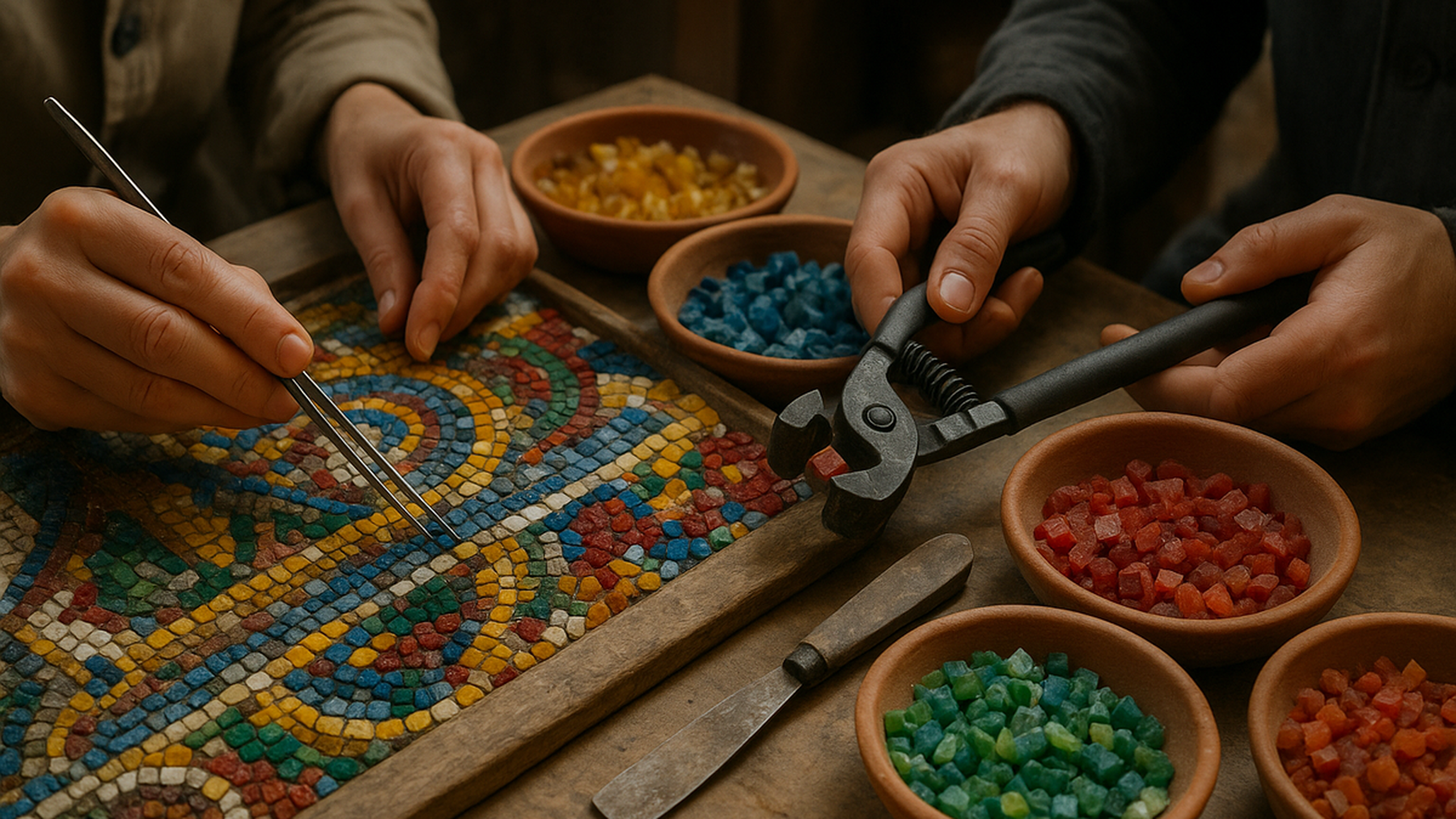
One of the traditional methods employed involves the careful replacement of missing tesserae, the small pieces of glass, stone, or ceramics that make up the mosaic. Artisans select materials that match the original as closely as possible, ensuring both aesthetic continuity and structural integrity. They often use natural pigments and adhesives, adhering to techniques passed down through generations.
Materials Used in Restoration
The choice of materials is crucial in mosaic restoration. Venetian artisans prefer to use local resources whenever possible, which helps maintain the authenticity of the work. Traditional materials such as Venetian glass, known for its vibrancy and durability, are often favored. Additionally, some restorers utilize natural stone sourced from nearby regions to ensure compatibility with existing mosaics.
Notable Restoration Projects
One significant restoration project was undertaken at the Basilica di San Marco after years of exposure to humidity and pollution. The restoration team employed a thorough cleaning method followed by the careful replacement of damaged tesserae, successfully reviving the original vibrancy of the mosaics. Such projects often require collaboration among historians, artisans, and conservation specialists, showcasing Venice’s commitment to preserving its cultural treasures.
The Role of Education and Apprenticeship
To ensure the longevity of mosaic restoration practices, education plays a vital role. Institutions in Venice offer specialized programs where aspiring artisans can learn the intricacies of mosaic work. These programs emphasize hands-on experience, allowing students to work on real restoration projects under the guidance of experienced masters. This apprenticeship model not only preserves the craft but also fosters a deep appreciation for Venice’s artistic heritage.
Challenges in Restoration
Restoring mosaics is not without its challenges. Artisans must navigate issues such as funding constraints, environmental impacts, and the delicate balance between restoration and conservation. Each intervention is carefully considered to avoid altering the original work too significantly, which could detract from its historical value.
The Future of Mosaic Restoration in Venice
As Venice grapples with the effects of climate change and rising sea levels, the future of mosaic restoration remains uncertain. However, the commitment of local artisans and conservationists ensures that these historical treasures will continue to be preserved for future generations. The ongoing dialogue about sustainable practices in restoration further highlights the need for a balance between preserving the past and adapting to future challenges.
Frequently asked questions
What is “Preserving Heritage: The Craft of Mosaic Restoration in Venice” about?
Mosaic restoration in Venice involves meticulous craftsmanship and traditional techniques to preserve the vibrancy of historical artworks. Artisans use natural materials and time-honored methods to ensure these mosaics remain integral to the city’s cultural heritage.
What is the key fact about “Preserving Heritage: The Craft of Mosaic Restoration in Venice”?
Venice, Italy
What should readers know about “The Historical Significance of Venetian Mosaics”?
Venice is renowned for its exquisite mosaics, which adorn churches and public spaces, telling stories of faith, history, and artistry. The Basilica di San Marco, with its shimmering gold mosaics, is a prime example, showcasing the city’s rich Byzantine influences. These artworks are not merely decorative; they embody centuries of craftsmanship and devotion, making their preservation imperative.
Sources
- “Mosaic Conservation in Venice,” Venetian Heritage. Source link
This article was independently researched and produced. No payment, complimentary service or editorial approval was provided by the places mentioned.