
In brief
Venetian bricolage is a unique art form where artisans creatively repurpose salvaged materials from the lagoon and the city's architecture, transforming them into functional art pieces that reflect local culture and sustainability.
At a glance
- Where
- Venice, Italy
- Best for
- Art and craft enthusiasts
- Time needed
- Varies by project
- Access/cost
- Free to visit workshops, materials costs vary
- Last checked date
- August 2026
Introduction to Bricolage in Venice
In the heart of Venice, where the canals weave through centuries of history, a unique form of artistry thrives—bricolage. This age-old practice involves the creative repurposing of salvaged materials, often sourced from the very architecture and environment that define this iconic city. Venetian artisans transform what might be considered waste into functional art pieces that tell stories of the lagoon.
The Essence of Venetian Bricolage
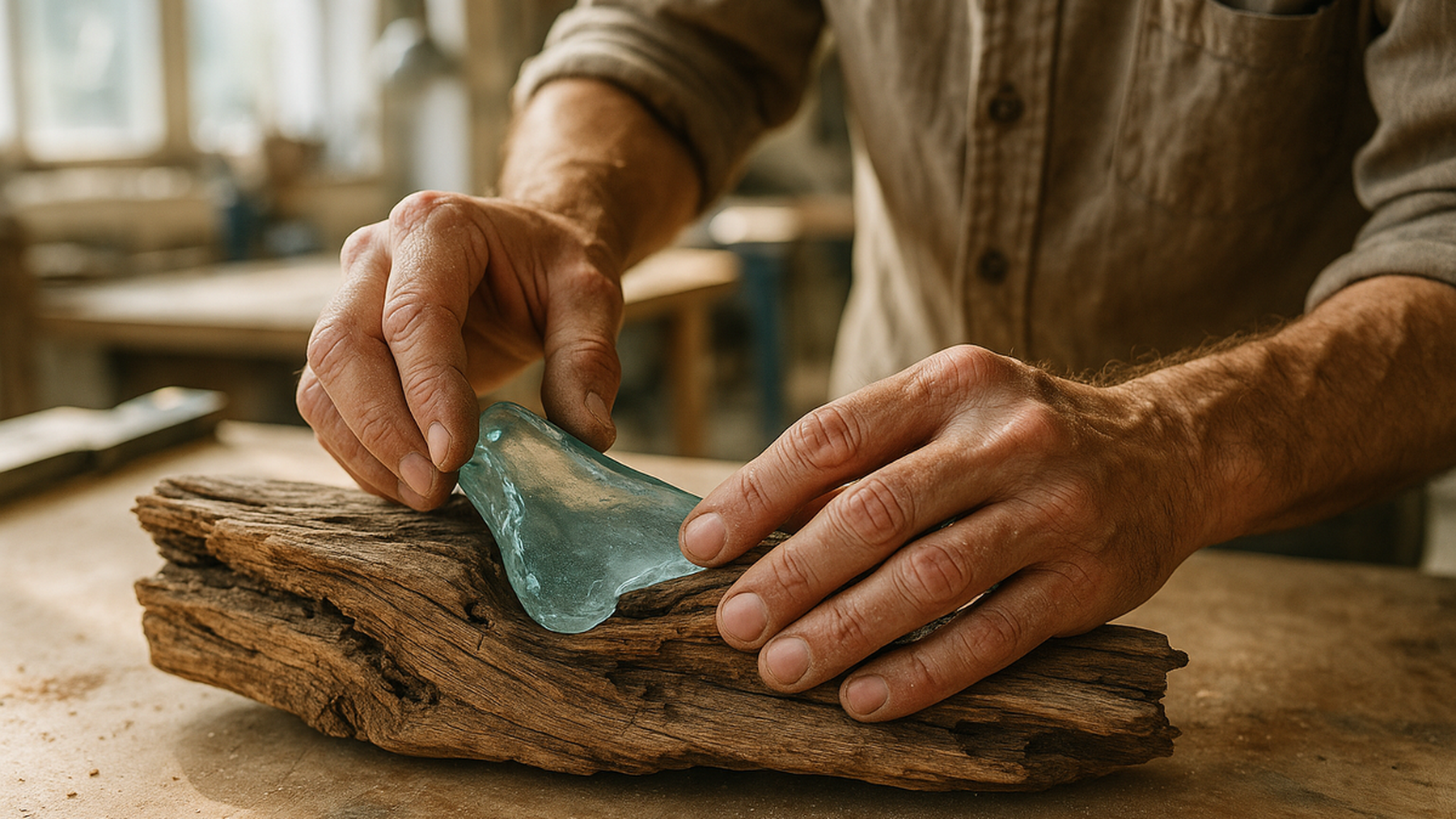
Bricolage is not just about crafting; it reflects a philosophy of sustainability and resourcefulness inherent to Venetian life. As artisans sift through the remnants of the past, they find beauty in the discarded. Old wood, broken glass, and remnants of boats become canvases for their creativity. Each piece is a testament to the island's relationship with its environment, embodying a spirit of innovation that resonates deeply with the local culture.
Where to Experience Bricolage
Artisans practicing bricolage can often be found in neighborhoods like Dorsoduro and Cannaregio. Here, small workshops and galleries showcase their creations, inviting visitors to witness the transformation of salvaged materials into art. For instance, at a workshop on the Giudecca, artisans may be seen crafting stunning light fixtures from old fishing nets and glass shards, illuminating how the lagoon's resources can be reimagined.
The Process of Creating with Salvaged Materials
The process of bricolage is both meticulous and spontaneous. Artisans often begin with a concept, but the materials available can inspire new directions. This adaptability mirrors the Venetian spirit, where the unexpected is embraced. The use of local materials not only supports the craft but also preserves the identity of Venice. Artisans like those on Burano employ vibrant colors sourced from their surroundings, creating pieces that resonate with the island’s aesthetic.
Community and Collaboration
Collaboration is a vital aspect of the bricolage community. Artisans often share techniques and ideas, fostering a creative environment. Workshops frequently host classes, allowing locals and visitors alike to engage with the craft. These gatherings not only promote the art form but also strengthen community ties, ensuring that the tradition of bricolage continues to flourish.
Challenges and the Future of Bricolage
While the practice of bricolage is thriving, it faces challenges. The increasing pressure of tourism and urban development threatens the access to salvaged materials. Moreover, as the younger generation moves towards modern methods, there is a risk that traditional techniques may fade. However, many artisans are committed to preserving this legacy, advocating for sustainable practices and the importance of local craftsmanship.
Conclusion: A Living Art Form
Venetian bricolage is more than just an artistic pursuit; it is a reflection of the city's resilience and creativity. Through the art of repurposing, artisans weave together the past and present, creating functional pieces that celebrate the lagoon's rich cultural heritage. As visitors explore the vibrant neighborhoods of Venice, they are invited to appreciate not only the beauty of the city but also the ingenuity of its artisans who breathe new life into discarded materials.
Frequently asked questions
What is “The Craft of Bricolage: Venetian Art from Salvaged Treasures” about?
Venetian bricolage is a unique art form where artisans creatively repurpose salvaged materials from the lagoon and the city's architecture, transforming them into functional art pieces that reflect local culture and sustainability.
What is the key fact about “The Craft of Bricolage: Venetian Art from Salvaged Treasures”?
Venice, Italy
What should readers know about “Introduction to Bricolage in Venice”?
In the heart of Venice, where the canals weave through centuries of history, a unique form of artistry thrives—bricolage. This age-old practice involves the creative repurposing of salvaged materials, often sourced from the very architecture and environment that define this iconic city. Venetian artisans transform what might be considered waste into functional art pieces that tell stories of the lagoon.
Sources
- “Bricolage: The Art of Making Do,” Venetian Crafts Journal. Source link
This article was independently researched and produced. No payment, complimentary service or editorial approval was provided by the places mentioned.