
In brief
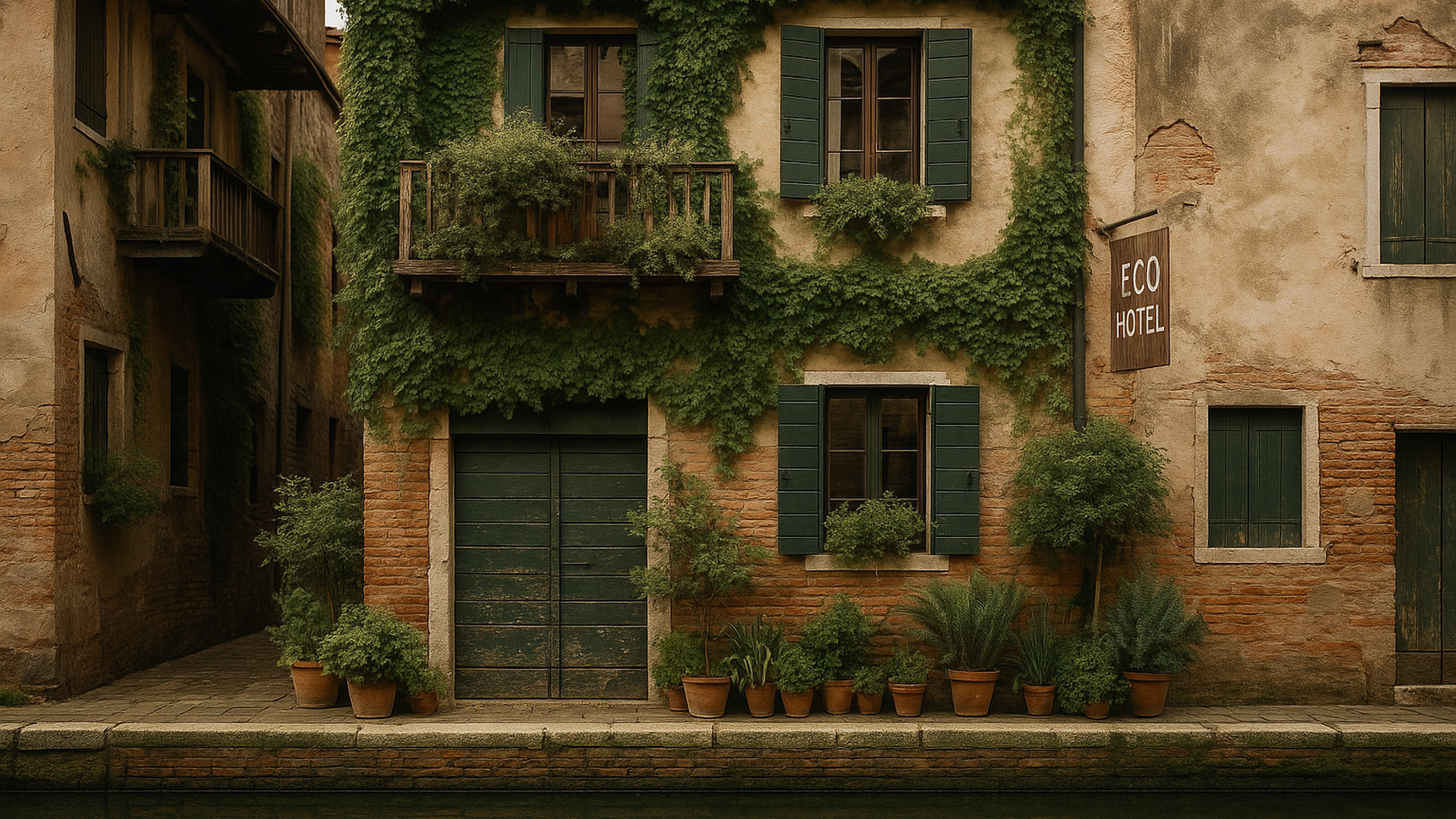
Venice is witnessing a rise in eco-friendly accommodations that prioritize sustainability, utilizing local resources and practices to help preserve the fragile lagoon environment.
At a glance
- Where
- Venice, various locations
- Best for
- Environmentally conscious travelers
- Time needed
- Flexible, from one night to extended stays
- Access/Cost
- Varies by property, typically starting around €100/night
- Last checked date
- August 2026
Introduction
The enchanting city of Venice, with its intricate canals and historic architecture, faces significant environmental challenges. Rising water levels, pollution, and mass tourism threaten the delicate ecosystem of the Venetian Lagoon. In response, a number of eco-friendly accommodations have emerged, offering travelers the chance to enjoy this unique city while minimizing their environmental impact.
The Emergence of Eco-Conscious Hotels
In recent years, eco-friendly hotels and guesthouses have started to gain traction in Venice. Properties like the Hotel Antiche Figure and the Hotel Danieli are not only incorporating sustainable practices but are also actively engaging with local communities. These hotels aim to create a balance between guest comfort and environmental responsibility.
Local Sourcing and Sustainable Practices
Many of these accommodations prioritize local sourcing for food and materials. The use of organic products in their restaurants, as seen in places like Osteria alle Testiere, supports local agriculture and reduces the carbon footprint associated with transportation. Additionally, some hotels are investing in renewable energy sources such as solar panels, which are becoming increasingly common on rooftops across the city.
Impact on the Lagoon
Eco-friendly accommodations play a crucial role in preserving the lagoon's fragile ecosystem. By reducing waste, conserving water, and promoting sustainable tourism practices, these hotels contribute to the overall health of the environment. For example, initiatives to reduce single-use plastics and promote recycling are becoming standard practices in many of these establishments.
Community Engagement
Engagement with the local community is another hallmark of eco-friendly accommodations. Many hotels partner with local artisans and craftsmen, promoting the rich cultural heritage of Venice. Workshops and guided tours led by local experts provide guests with authentic experiences while supporting the economy. This approach not only enriches the visitor experience but also fosters a deeper connection between travelers and the local culture.
Conclusion
The rise of eco-friendly accommodations in Venice signifies a shift towards more sustainable tourism. As travelers become increasingly aware of their environmental impact, these hotels offer a way to enjoy the beauty of Venice while contributing to the preservation of its delicate lagoon. By choosing eco-conscious stays, visitors can help ensure that this historic city remains vibrant for generations to come.
Sources
- “Sustainable Tourism in Venice,” Venetian Journal. Source link
This article was independently researched and produced. No payment, complimentary service or editorial approval was provided by the places mentioned.