
In brief
Giudecca is a long, narrow lagoon island directly across the Giudecca Canal from Dorsoduro, reached by vaporetto in five to ten minutes. Once industrial — shipyards, granaries, a former prison — it is now largely residential, with gardens, converted warehouse buildings and none of the crowd density of San Marco, making it a favoured base for travellers who want proximity without the centre's saturation.
At a glance
- Location
- Directly south of Dorsoduro, across the Giudecca Canal
- Best for
- Repeat visitors and anyone wanting quiet with genuine proximity
- Getting there
- ACTV Line 2 or 4.1 from Zattere/San Marco, roughly 5–10 minutes
- Character
- Former shipyards and granaries, now residential and garden-lined
- Access note
- Check last vaporetto crossing time for late evenings
- Last checked
- July 2026
An island shaped by industry, not tourism
Giudecca's history sets it apart from almost anywhere else within easy reach of central Venice. Unlike the sestieri, which developed as dense residential and commercial districts from the earliest centuries of the Republic, Giudecca spent much of its more recent history as a working island: shipyards, granaries, textile mills and, for a period, a prison occupied its waterfront. Some of that industrial fabric survives today, repurposed rather than demolished — former warehouses converted into apartments, galleries and a small number of hotels, their brick facades and high internal volumes now valued for exactly the qualities that once made them functional rather than picturesque.
That history is why Giudecca feels different from a sestiere on the other side of the canal, despite the short crossing. It never developed the density of San Marco or the tourist-facing commercial strip of much of Cannaregio's Strada Nova. What remains is a genuinely residential island — around 5,000 people live there — with community gardens, a working boatyard, and long stretches of quiet fondamenta where the loudest sound is often just water against stone.
The transport link, in practical terms
The defining practical fact about Giudecca is the water crossing to Zattere or San Marco — short, frequent during the day, and genuinely easy to build a stay around once the timetable is understood. ACTV's Line 2 and 4.1 both connect Giudecca to the Dorsoduro waterfront in a matter of minutes, running through the day at intervals of roughly ten to twenty minutes depending on the time and line. Where this requires more planning is late in the evening, when frequency drops and the last useful crossing needs checking in advance — a genuine consideration for anyone planning a late dinner or evening event in the centre, though far less of a constraint than the private-transfer-only islands covered in our guide to island retreats.
What a stay on Giudecca is actually like
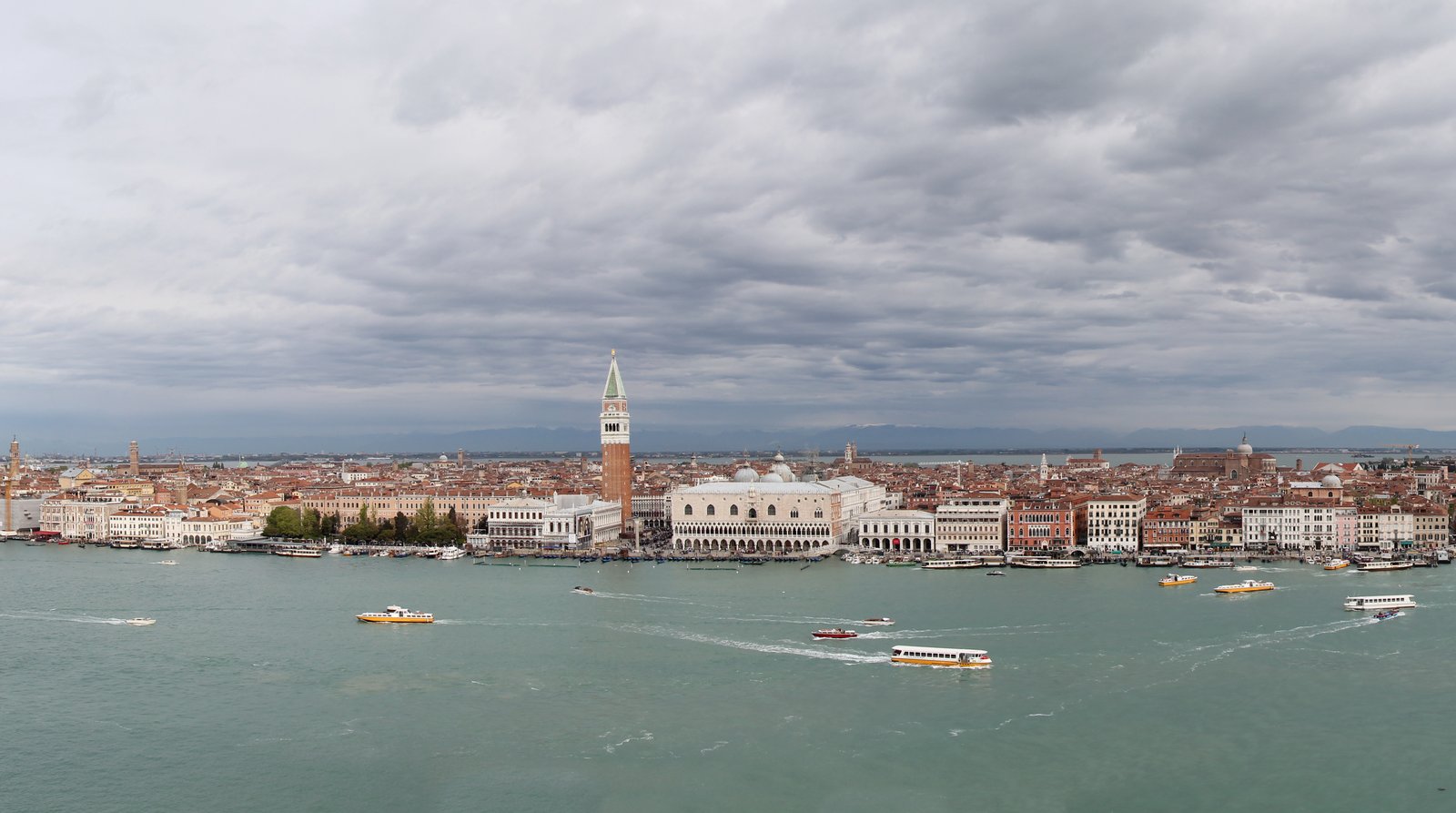
Mornings on Giudecca tend to open slowly by Venice standards — a walk along the Fondamenta delle Zitelle or past the Chiesa del Redentore, one of Andrea Palladio's major Venetian churches, built in thanksgiving after the plague of 1575–76, with none of the queues that build at major sights across the water by mid-morning. The island's south side looks out toward the Lido and open lagoon, while its north-facing fondamenta looks directly across to the Zattere promenade and the Venice skyline — a view many visitors only otherwise get from a boat. Evenings are quieter still: a handful of restaurants serve a mix of residents and overnight guests rather than day-trip crowds, and the absence of a major vaporetto interchange or cruise-adjacent foot traffic keeps the pace noticeably slower than almost anywhere directly across the water.
Who Giudecca suits, and who it doesn't
Giudecca rewards travellers who have already spent time in central Venice and want a calmer version of proximity on a return visit, or first-time visitors deliberately prioritising quiet over being able to walk everywhere. It suits longer stays better than one- or two-night visits, since the crossing, however short, adds a small but real amount of friction to every trip into the centre — friction that pays off over several days but feels less worthwhile for a whirlwind visit. Travellers who want to step directly from their door into the densest part of the historic centre without any water crossing at all are better served by a sestiere base, covered in our comparison guide to lagoon stay types.
Booking practicalities
Accommodation on Giudecca ranges from converted-warehouse hotels with lagoon-facing rooms to smaller guesthouses on the island's quieter residential lanes. Whichever type, it's worth confirming which vaporetto stop is nearest — Giudecca has several, spread along its considerable length — since the island is long enough that a stop at the wrong end adds a genuine walk.
Sources
- Comune di Venezia — Giudecca population and neighbourhood data
- ACTV / Venezia Unica — Line 2 and 4.1 timetables
- Chiesa del Redentore — parish historical documentation, Diocese of Venice
This article was independently researched and produced. No payment, complimentary service or editorial approval was provided by the places mentioned.