
In brief
Small hotels and guesthouses in Venice are typically family-run properties of fewer than fifteen rooms, occupying ordinary residential buildings within a single sestiere rather than converted noble palazzi. They offer closer, more personal service and genuine neighbourhood immersion — grocers, launderettes, local bars — but with fewer amenities and more variable room standards than larger hotels.
At a glance
- What it is
- Family-run properties, typically 5–15 rooms, in residential sestiere buildings
- Best for
- Travellers wanting neighbourhood life over hotel amenities
- Where to look
- Cannaregio, Dorsoduro, Castello away from the San Marco axis
- Practical note
- Often no lift, no restaurant, no 24-hour desk — ask before booking
- Price tier
- Low to mid, generally the best value-for-location category in Venice
- Last checked
- July 2026
A different scale of hospitality
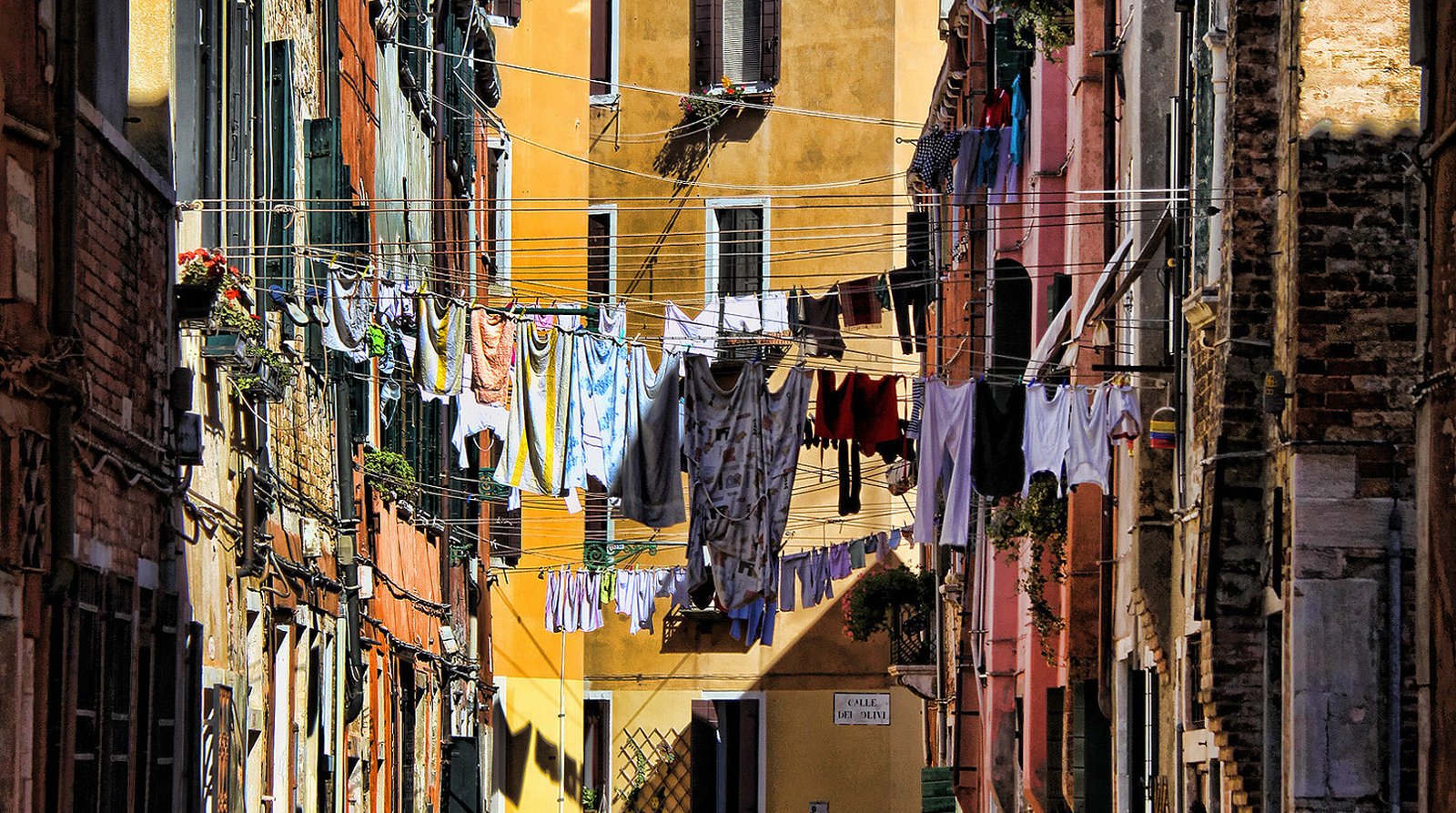
Most of Venice's historic centre was never built for large hotels. The sestieri are made up of narrow buildings on narrow calli, subdivided over centuries among families, and a great many of the city's smaller accommodations occupy exactly these ordinary residential structures — a floor or two of a building where a family has lived for generations, with a handful of rooms let to guests and the owners often living on site or nearby. This is a different proposition from a converted palazzo or an international hotel brand: smaller, more personal, and tied more directly to the specific street it sits on.
The defining quality of this category isn't architecture — though older buildings are common — but scale and proximity. A five- or ten-room guesthouse run by a family who has been in the same sestiere for decades knows which bakery opens first, which campo has a market on which morning, and which restaurant nearby is actually full of residents rather than visitors. That knowledge, offered informally over a check-in conversation, is often more useful than a concierge desk.
Where this category tends to work best
Cannaregio, particularly away from the Strada Nova's busiest stretch, retains a strong residential character: the Fondamenta della Misericordia and the streets around the Ghetto — one of the oldest Jewish quarters in Europe, dating to 1516 — still function as neighbourhoods with butchers, bakers and neighbourhood bars operating on ordinary weekday schedules. Dorsoduro, especially the quieter stretches away from the Zattere and Accademia, offers a similar mix, with the added benefit of proximity to the Gallerie dell'Accademia and Ca' Rezzonico for anyone splitting days between museums and street life. Castello, east of the main tourist routes toward the Arsenale, is quieter still, though a longer walk from the Rialto and San Marco.
What to expect, practically
Small guesthouses generally do not have lifts, on-site restaurants, or 24-hour reception — a family running a ten-room property cannot staff round the clock the way a hundred-room hotel can, and it's reasonable to ask directly about check-in hours and late-arrival arrangements before booking. Rooms vary in size more than in larger, purpose-organised hotels, since many occupy converted apartment layouts rather than a repeated floor plan. Breakfast, where offered, is often simple and served in a small common room rather than a full buffet. What's traded for these limitations is closeness: a level of personal attention, and neighbourhood integration, that scale works against in larger properties.
Living like a resident, briefly
Staying in this kind of property changes the daily rhythm of a Venice visit in small but real ways. Mornings start with an actual neighbourhood coffee bar rather than a hotel breakfast room; errands — a bottle of water, a phone charger, a plaster for blistered feet from all the walking — mean using the same small shops residents use, at the same unglamorous hours. Evenings return to a quiet street rather than a hotel lobby. None of this is dramatic, but cumulatively it produces a different memory of Venice than a week spent moving between major sights and a large hotel — closer to how the roughly 50,000 residents who still live in the historic centre experience their own city.
How to choose one well
Beyond checking reviews for consistency (small properties can vary year to year with ownership or staff changes), it's worth looking at the specific street on a map and considering the walk to a vaporetto stop and to the nearest grocery or bakery — these small logistics matter more in a guesthouse stay than in a full-service hotel with its own amenities. A short direct message to the property asking about stairs, breakfast, and check-in flexibility usually gets a genuine answer, since it's likely to be answered by the owner rather than a call centre.
Sources
- Comune di Venezia — sestiere and residential population data
- Museo Ebraico di Venezia — history of the Venetian Ghetto
- Venezia Unica — neighbourhood and market information
This article was independently researched and produced. No payment, complimentary service or editorial approval was provided by the places mentioned.