
In brief
Family stays in Venice work best when chosen around minimal luggage-carrying distance from a vaporetto stop, proximity to a genuine campo for children to run in, and realistic expectations about stairs and bridges — Venice has no lifts between islands and hundreds of stepped bridges. Cannaregio and the Lido are generally the most practical bases; San Marco is the least, despite being the most obvious first choice.
At a glance
- Best sestieri
- Cannaregio, Castello (near Riva degli Schiavoni), the Lido
- Best for
- Families wanting open space and manageable luggage logistics
- Key challenge
- Bridges with steps, no lifts between islands, uneven pavement
- Time needed
- At least 3–4 days to pace a Venice visit comfortably with children
- Access note
- Book a water taxi for arrival with luggage and small children if budget allows
- Last checked
- July 2026
Why Venice is harder with children than it looks in photographs
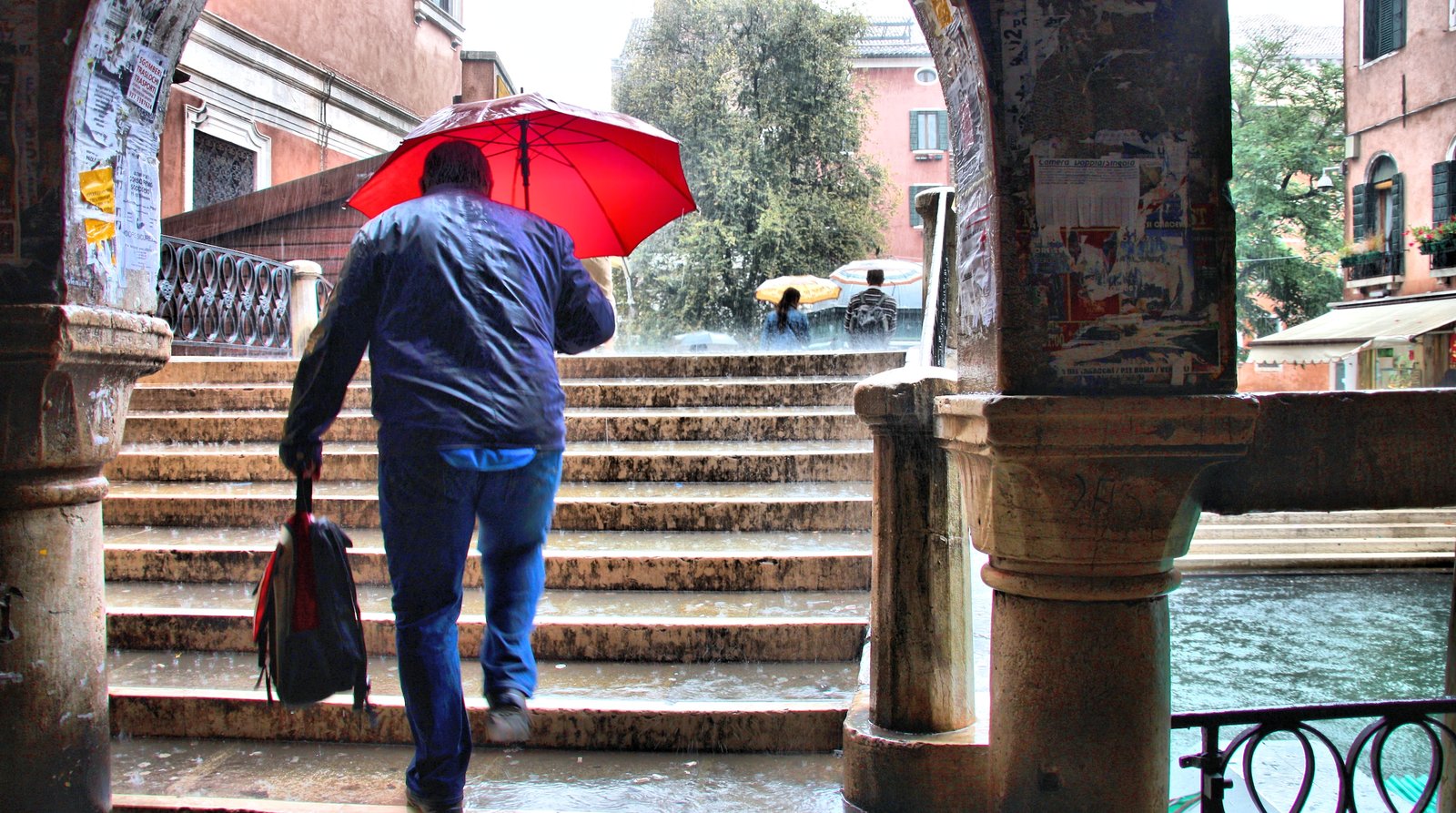
Venice photographs beautifully with children in it — canals, bridges, gelato on a campo bench — but the practical reality of the city is more demanding than most first-time family visitors expect. There are no cars and no direct-to-door transport: every arrival means dragging luggage over at least a few stepped bridges, since ramps and lifts are the exception rather than the rule across the historic centre's roughly 400 bridges. Pushchairs are workable but genuinely effortful on longer routes, and many smaller hotels and guesthouses occupy older buildings with no lift at all, discussed in our guide to small hotels and guesthouses. None of this is a reason to avoid Venice with children — it simply means the choice of base does more practical work here than in most cities.
Choosing a sestiere for the walk itself, not just the sights
The single most useful thing to check before booking a family stay is the walking route from the nearest vaporetto stop or water-taxi landing to the property's actual front door — not the straight-line distance on a map, but whether that route crosses several bridges with steps. A property a few minutes by water from the train station or Piazzale Roma, with a short, mostly flat walk from its landing stage, will make every arrival and departure noticeably easier than one that looks close on a map but requires threading through several stepped calli.
Cannaregio scores well on this measure: much of the Fondamenta Nove and Strada Nova area is flat, wide by Venetian standards, and well served by vaporetto stops. It also has some of the city's most genuinely used campi — Campo dei Gesuiti and the area around Campo Santa Maria Formosa on the Castello border function as real neighbourhood spaces where children can run while adults sit. Castello, particularly the stretch along the Riva degli Schiavoni and toward the Giardini, offers open waterfront walking space and proximity to the Biennale gardens, useful for burning off energy between museum visits.
The Lido as a family base
For families staying four nights or more, the Lido is worth serious consideration precisely because it offers what the historic centre structurally cannot: a beach, wider streets that work for bicycles, and buildings with normal lifts and modern plumbing, since much of the island was developed in the late 19th and early 20th centuries rather than built up over the medieval period. The trade-off is the ferry crossing for every trip into central Venice — workable for a family pacing museum visits across a week, less so for a two-night stay trying to see everything.
What to avoid, or plan carefully around
San Marco, despite being the obvious first choice for first-time visitors, is often the hardest base for families: the densest crowds, the narrowest and most congested calli near the Piazza, and the highest concentration of stepped bridges per walkable block. It's not impossible, but a family staying there should expect the shortest-looking walks on a map to take considerably longer in practice, especially during peak midday hours. Late afternoon and early evening, after day-trip crowds thin, tend to be far more manageable for moving around with children regardless of sestiere.
Practical logistics worth arranging in advance
A private water taxi for arrival and departure days, while a real expense, removes the single hardest part of a family visit — hauling luggage from the station or airport transfer point to the front door — and is worth budgeting for even if vaporetto is used for the rest of the stay. It's also worth checking directly with any property about cot availability, connecting or adjoining rooms (common in converted palazzi with irregular layouts, discussed further in our palazzo hotels guide), and, in smaller guesthouses, whether an evening babysitting recommendation exists, since few small properties offer this in-house.
Pacing the visit itself
Choosing a base well solves half the problem; the other half is pacing. Two major sights a day, with a long unstructured break for a campo or a gelato somewhere shaded, generally works better with children than an ambitious itinerary — and mirrors, in a smaller way, the slower rhythm Venice itself runs on outside peak tourist hours.
Sources
- Comune di Venezia — municipal accessibility and bridge infrastructure information
- ACTV / Venezia Unica — vaporetto and Lido ferry information
- Venezia Unica — family and accessibility travel guidance
This article was independently researched and produced. No payment, complimentary service or editorial approval was provided by the places mentioned.