
In brief
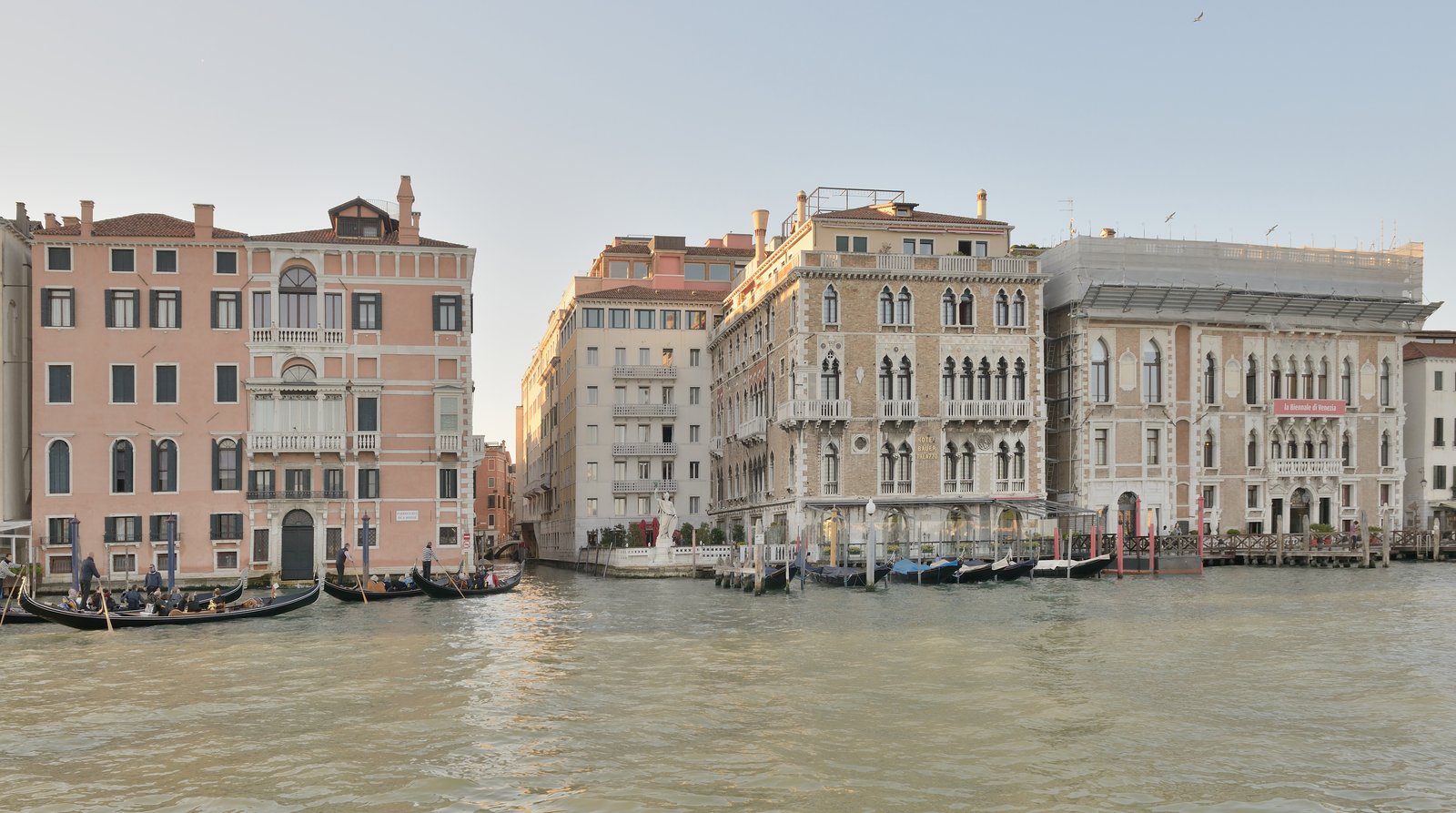
A historic palazzo hotel is a former private residence, usually dating from the 14th to 18th centuries, converted for guests while its protected structure — facade, staircases, ceiling heights, water-level entrances — remains largely fixed. This produces irregular room shapes, no two floors alike, and genuine architectural detail, but also real practical limits: few lifts, narrow stairs, and rooms that vary considerably even within the same property.
At a glance
- What it is
- A former private palazzo converted into guest accommodation
- Best for
- Travellers prioritising architecture and atmosphere over uniformity
- Typical era
- 14th–18th century construction, Gothic to Baroque facades
- Practical note
- Often limited or no lift access; ask about stairs before booking if mobility is a concern
- Price tier
- Mid to very high, varying by canal frontage and room size
- Last checked
- July 2026
A palazzo was never built to be a hotel
Almost every historic hotel in Venice began life as something else — a merchant family's residence, a diplomatic office, occasionally a monastery or guild hall. These buildings were designed around the logic of Venetian domestic life centuries before hospitality became an industry: a grand piano nobile floor for receiving guests, service floors above and below with lower ceilings, a water entrance for arriving by boat, and a land entrance tucked down a side calle for everyday use. Converting such a building into a hotel means working within that inherited logic rather than against it, and the buildings that do this well tend to preserve rather than disguise the irregularity.
This matters practically. Two rooms on the same floor of a palazzo hotel can differ substantially in size, ceiling height and window placement, because the rooms were never built to a repeatable plan. A room described as a "superior" category might have extraordinary proportions and a coffered ceiling, or might be a converted service room with a low ceiling and a single small window — both can carry the same rate tier if a hotel doesn't distinguish clearly, so it's worth asking directly what a specific room looked like before conversion.
What the architecture actually gives you
The upside of this irregularity is real. Terrazzo alla veneziana floors — a distinctive local technique of embedded marble and stone chips set in lime mortar — appear in many palazzo interiors and are rarely reproduced in newer buildings. Piano nobile rooms often retain original stucco work, painted beams, or Murano glass chandeliers original to the building rather than decorative additions. Courtyards, where they exist, function as private gardens hidden entirely from the street, a Venetian architectural tradition built around privacy in a city with almost no private outdoor space visible from the calle. Staying in one of these rooms is staying inside a specific documented building with its own history, not a reproduction of a Venetian aesthetic.
The constraints worth knowing about
Protected historic status — administered locally through Italy's heritage protection framework — limits what any owner can change: facades, and often internal structural elements, cannot be substantially altered even for accessibility or modern services. This is why lift access is inconsistent across palazzo hotels; some have none at all, some have a single small lift installed decades ago that doesn't reach every floor. Air conditioning, when present, is sometimes retrofitted in ways that don't reach every corner of an irregular room evenly. None of this is a flaw in any individual property so much as an inherent trade-off of staying inside a genuinely old building — the same qualities that make the architecture remarkable make it resistant to modernisation.
Acqua alta, the seasonal high-water event most common between autumn and early spring, is also a real consideration for ground-floor and water-entrance areas of palazzo buildings, most of which sit at a water level fixed by their original construction. Reception areas and ground-floor lounges in older buildings are generally well adapted to this with raised thresholds or portable barriers, but it's a reasonable thing to ask about if travelling in the wetter months.
How to choose well
Rather than searching for "boutique" or "luxury" as a category, it's worth asking specific questions: which floor is the room on, is there a lift and does it reach that floor, does the room face the canal or an internal courtyard, and roughly what year is the building's core structure from. A canal-facing piano nobile room in a 16th-century palazzo and a small upper-floor room in the same building are different experiences of the same address, and a good property will describe that difference honestly rather than let category names do the work.
Palazzo hotel versus small guesthouse
It's worth distinguishing a converted palazzo from the smaller family-run guesthouses covered in our companion guide to small hotels — the two overlap in size sometimes, but a palazzo hotel's defining feature is the building's own documented architectural history, while a small guesthouse's defining feature is closer, more personal hospitality inside an ordinary residential building. Neither is inherently better; they answer different questions about what kind of stay you want.
Sources
- Soprintendenza Archeologia Belle Arti e Paesaggio per il Comune di Venezia e Laguna — heritage protection framework
- Save Venice Inc. — documentation on Venetian palazzo architecture and conservation
- Comune di Venezia — municipal building and accessibility information
This article was independently researched and produced. No payment, complimentary service or editorial approval was provided by the places mentioned.