
In brief
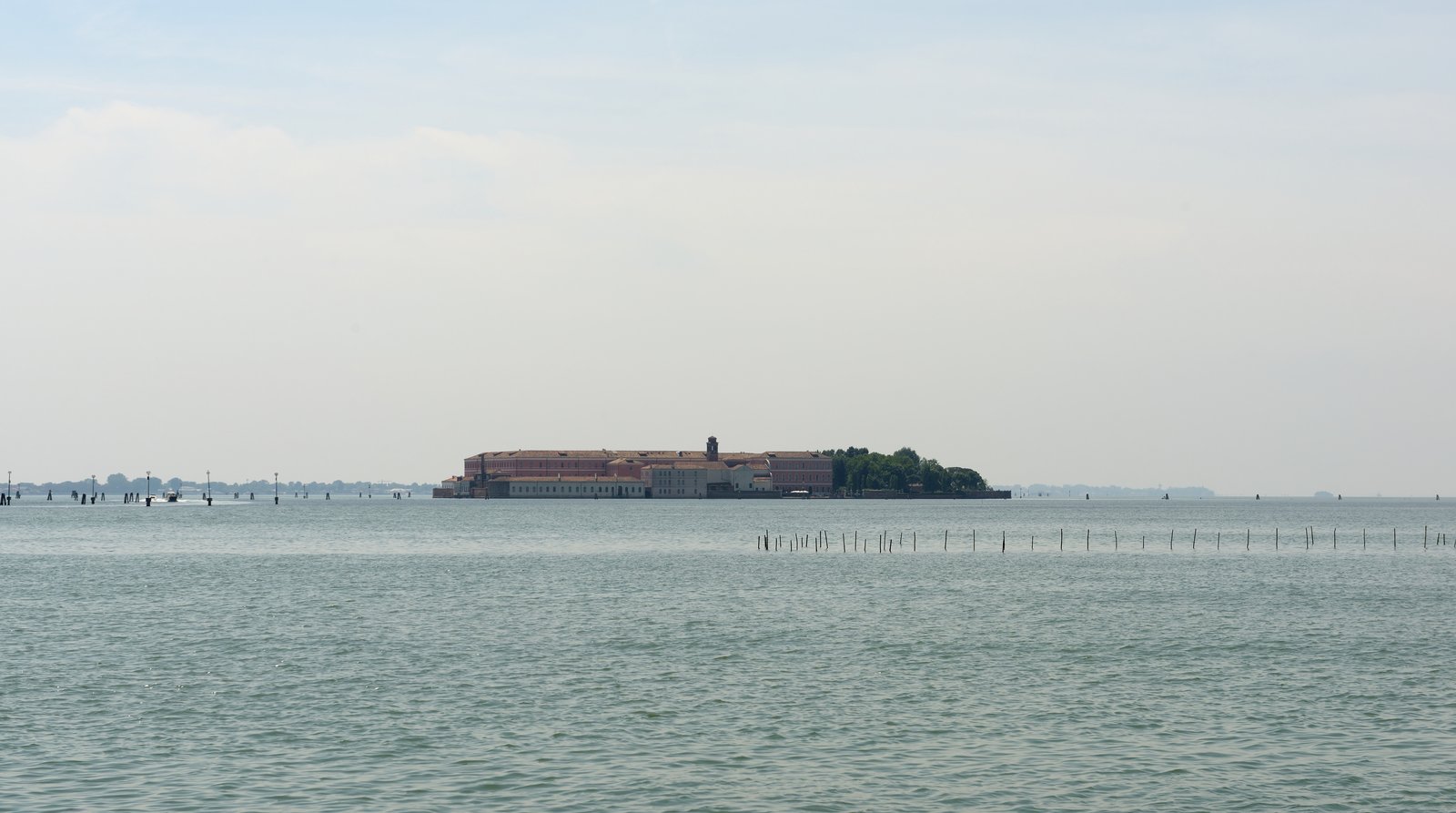
San Clemente is a small wooded island in the southern Venetian Lagoon, roughly midway between Venice and the Lido, with a documented monastic and later hospital history dating back centuries. A single hotel operates on the island today, reached exclusively by private launch, making it the most secluded of the lagoon's stay options — closer to a private nature reserve than a city hotel.
At a glance
- Location
- Southern lagoon, between central Venice and the Lido
- History
- Monastic settlement documented from the 12th century; later a military and psychiatric hospital site
- Access
- Private launch transfer only — no public vaporetto stop on the island
- Best for
- Travellers prioritising total seclusion and lagoon views
- Grounds
- Landscaped gardens and wooded walks across much of the island
- Last checked
- July 2026
An island with a longer history than most visitors assume
San Clemente is easy to overlook on a map of the lagoon — a modest, tree-covered shape south of the Giudecca Canal, dwarfed in most visitors' attention by Murano or the Lido. Its history, though, is substantial. Records place a hermitage and later a monastery on the island from around the twelfth century, and over the following centuries it passed through the hands of several religious orders before the Republic of Venice used it for quarantine purposes during outbreaks of plague, a role several lagoon islands played given their natural isolation. In the nineteenth century the island's buildings were converted into a psychiatric hospital, which operated for over a century before closing in the late twentieth century, after which the island was restored and redeveloped for its current use, including the hotel that now operates there.
This layered history — monastery, quarantine station, hospital, and now a private hospitality use — is fairly typical of the lagoon's outer islands, several of which carried public health or religious functions precisely because their separation from the city was seen as an asset rather than an inconvenience. That same separation is now the island's main appeal for a very different kind of visitor.
What staying on San Clemente actually means
There is no public vaporetto stop on San Clemente, and no scheduled ACTV service connects it to central Venice the way most lagoon islands are served. A stay there depends entirely on a private launch, arranged through the hotel that operates on the island, for every arrival, departure, and any trip into the city during the stay. This is a materially different arrangement from Giudecca's few-minutes vaporetto hop, or even the more remote parts of the outer lagoon that still carry limited scheduled service — San Clemente is, transport-wise, closer to a private estate than a lagoon neighbourhood.
What that isolation buys is considerable: extensive grounds, largely wooded and landscaped, that no historic-centre property could offer given the density of the sestieri; near-total quiet, broken only by birdsong and the occasional passing boat; and views back toward the Venice skyline that put the whole lagoon into a kind of perspective that's hard to get from inside the city itself. It is, in the terms laid out in our broader guide to island retreats, one of the most complete examples of that category in the lagoon.
Who this suits
A San Clemente stay suits travellers who have already decided that seclusion and lagoon scenery matter more than being able to step out of a hotel door directly into Venice's street life. It is not well suited to a short, sight-dense visit — the transfer time and logistics of a private launch make it a poor fit for travellers trying to move quickly between multiple major sights on a tight schedule. It rewards a slower stay: several nights, a pace built around the island's own grounds and the lagoon itself, with trips into central Venice treated as excursions rather than constant background activity.
A practical note on this coverage
This publisher has a professional and personal connection to the hotel that operates on San Clemente island, disclosed in full below. We have written about San Clemente as a category of lagoon stay — its history, its transport reality, and what a visitor should expect from an island reachable only by private boat — rather than as an endorsement of any specific property's rooms, service or value for money, which is outside the scope of what this article claims to assess.
Getting there and planning around it
Transfers are typically arranged directly with the hotel and timed around flight or train arrivals into Venice; it's worth confirming pickup points (commonly near Piazzale Roma, the airport, or a central Venice landing stage) well in advance, since informal same-day arrangements are far less reliable than a booked transfer. As with any of the lagoon's outer islands, weather and tide can occasionally affect crossing times, particularly during the acqua alta season from autumn through early spring, so building in some flexibility around transfer timing is sensible.
Sources
- Comune di Venezia — municipal historical archive on lagoon island institutional use
- Soprintendenza Archeologia Belle Arti e Paesaggio per il Comune di Venezia e Laguna — heritage documentation
- UNESCO World Heritage Centre — Venice and its Lagoon documentation
Disclosure: the publisher has a professional/personal connection with San Clemente Palace Venice. This article was researched under the same editorial standards as our other coverage.