
In brief
The Murano Glass Museum's 'Glass from the Stars' exhibition showcases glass's historical and contemporary applications in astronomical instruments and celestial-inspired design. It connects Murano's glassmaking legacy with scientific exploration and artistic expression.
At a glance
- Where
- Murano Glass Museum, Palazzo Giustinian, Murano
- Best for
- Those interested in glass art, scientific history, and Venetian craft innovation
- Time needed
- Roughly 1.5 - 2 hours for the exhibition and main museum collection
- Access/Cost
- Museum entry ticket required; school groups may receive a reduced rate (4,00 euro per student September 1 - March 15)
Glass and the Universe: A New Perspective on Murano's Legacy
The Murano Glass Museum, housed within the historic Palazzo Giustinian, introduces a new exhibition titled 'Glass from the Stars.' This presentation offers a fresh lens through which to consider Murano’s profound contributions to the world, extending beyond decorative arts into the realm of scientific discovery and celestial-inspired design. The exhibition posits glass not merely as a medium for artistic expression, but as an indispensable material that has shaped our understanding of the cosmos.
The Murano Glass Museum holds the world’s most extensive historical collection of Murano glass, with pieces spanning from the 1st to the 20th century, offering a chronological journey through seven hundred years of glassmaking mastery. This new exhibit, 'Glass from the Stars,' enriches that narrative by highlighting the often-overlooked connection between glass artistry and astronomical instrumentation. Visitors can anticipate encountering various applications of glass, from early optical components that aided in charting the heavens to contemporary pieces that draw inspiration from stellar phenomena.
Connecting Craft and Cosmology
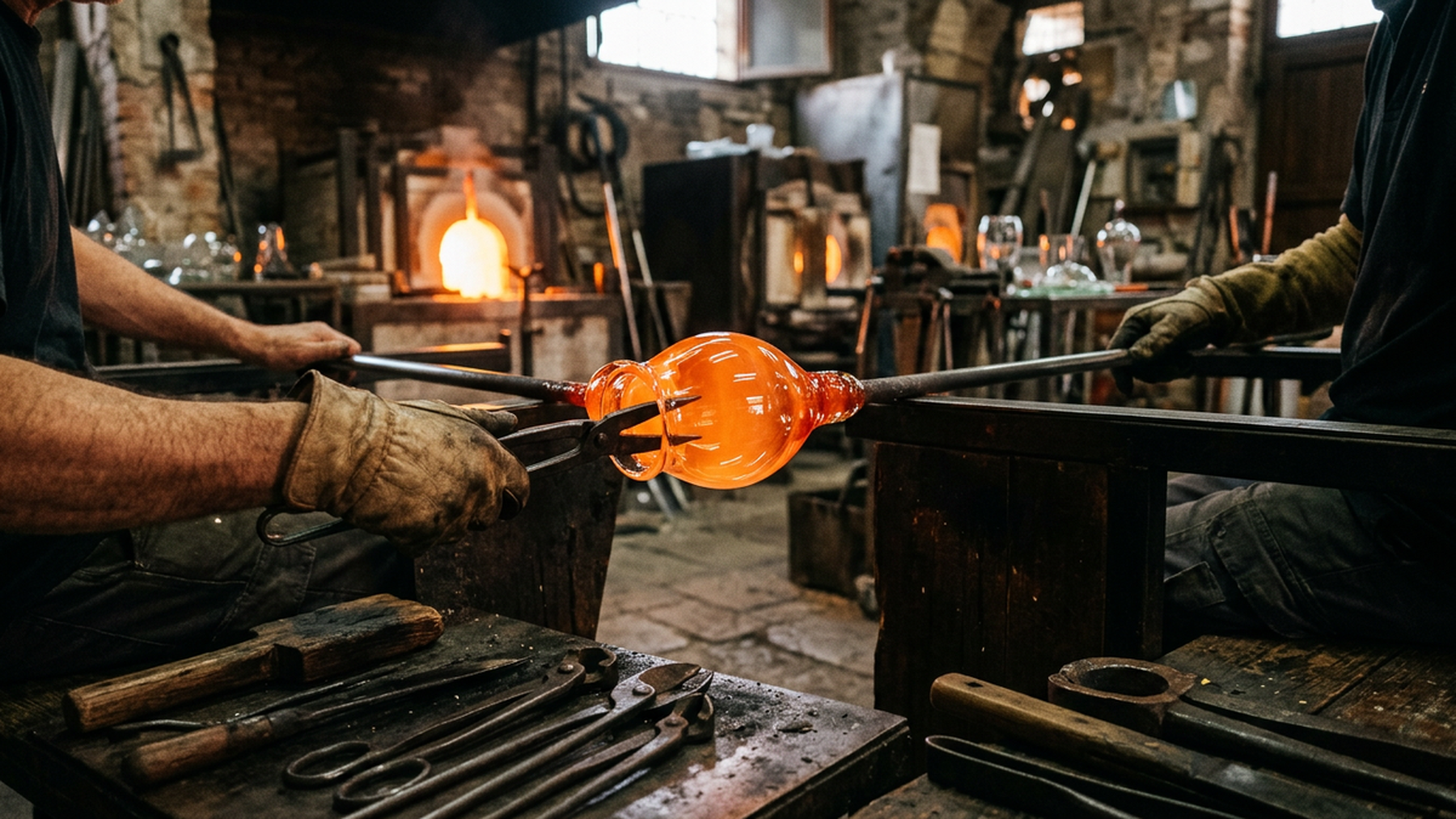
Murano, an island synonymous with glassmaking, has a history steeped in innovation. While the island is primarily known for its intricate chandeliers, delicate goblets, and vibrant sculptures, the exhibit brings to light glass’s foundational role in scientific advancement. The skilled hands that once shaped a chalice also turned their attention to grinding a lens with precision, enabling distant stars to be brought into clearer focus. This dual capacity of glass – to enchant and to enlighten – is at the heart of 'Glass from the Stars.'
The exhibition is a thoughtful addition to the museum's existing displays, which trace the evolution of glassmaking from Roman times through the present day. It serves as a testament to the enduring adaptability and versatility of glass as a material. Rather than presenting a purely historical account of scientific instruments, the exhibit weaves together the threads of craft, design, and scientific exploration, demonstrating how Murano's glass masters have, in various capacities, contributed to our celestial gaze.
Murano's legacy in glassmaking is deeply rooted in its geographical and historical context. The Venetian Republic, recognizing the strategic importance of glass production, consolidated furnaces on Murano in the late 13th century. This move fostered a unique environment where glassmakers could refine their techniques, innovate, and protect trade secrets. Over centuries, Murano became a hub of unparalleled skill, producing everything from intricate beads to monumental mirrors. The 'Glass from the Stars' exhibition expands this narrative by acknowledging that alongside the creation of exquisite artistic objects, Murano's artisans also contributed to the scientific instruments that advanced human knowledge. The precision required for crafting a delicate goblet or a complex chandelier found a parallel application in the grinding and polishing of lenses for telescopes and other optical devices, making Murano an unwitting, yet crucial, contributor to the age of astronomical discovery.
The Living Tradition of Murano Glass
The Murano Glass Museum, part of the Fondazione Musei Civici di Venezia, is not merely a repository of the past; it also celebrates Murano as a living reality, where experimentation continues. The 'Glass from the Stars' exhibition aligns with this ethos, showing how historical techniques and contemporary interpretations can converge. It reminds visitors that the glassmakers of Murano are not just preserving an ancient art but are also continually pushing its boundaries, finding new forms and functions for this remarkable material.
For those visiting Murano, the museum offers a range of services, including a museum store, and opportunities to learn about glassmaking techniques through MUVE Academy courses in collaboration with the Scuola del Vetro Abate Zanetti. These courses, guided by a master glassmaker, provide a hands-on experience of the craft, further connecting visitors to the living tradition of Murano glass. The museum is also planning a significant expansion, with a new wing planned for autumn 2027. This extension will reuse part of the former Conterie pearl factory on the island, adding over 1,300 square meters of exhibition space and doubling the museum's current area. This expansion is intended to honor past master glassmakers and those who continue to innovate, ensuring that visitors understand Murano as a dynamic and evolving center of glass artistry. The 'Glass from the Stars' exhibit provides a compelling reason to visit, inviting reflection on the profound connections between human ingenuity, natural materials, and our endless curiosity about the universe.
The Murano Glass Museum: A Historical Overview and Future Vision
The Murano Glass Museum, an integral part of the Fondazione Musei Civici di Venezia, is situated in the historic Palazzo Giustinian. This esteemed institution houses the world's most extensive historical collection of Murano glass, presenting a chronological journey through seven centuries of glassmaking mastery. Visitors can explore pieces dating from the 1st to the 20th century, offering a comprehensive look at the evolution of this unique craft. The museum's core mission extends beyond mere preservation; it aims to illuminate Murano's profound contributions to art, culture, and now, with exhibits like 'Glass from the Stars,' to scientific understanding.
Looking ahead, the museum is embarking on a significant expansion project. A new wing, slated for completion in autumn 2027, will repurpose a section of the former Conterie pearl factory on the island. This ambitious undertaking will add over 1,300 square meters of exhibition space, effectively doubling the museum's current area. This expansion is designed to honor the master glassmakers of the past while also celebrating those who continue to innovate and experiment today, reinforcing Murano's status as a dynamic and evolving center of glass artistry.
Beyond the Exhibition: Exploring the Museum's Offerings
While 'Glass from the Stars' provides a compelling reason to visit, the Murano Glass Museum offers a wealth of other services and experiences. For those interested in delving deeper into the craft, MUVE Academy, in collaboration with the Scuola del Vetro Abate Zanetti, provides courses guided by master glassmakers. These hands-on opportunities allow visitors to gain a practical understanding of Murano glassmaking techniques, further connecting them to the living tradition of this ancient art.
The museum also provides various public amenities to enhance the visitor experience, including a ticket office, cloakroom, restrooms, and an elevator for accessibility. A baby pit-stop facility is available for families, and a museum store offers a selection of items for those wishing to take a piece of Murano home. Additionally, a dog-sitting service is provided, demonstrating the museum's commitment to accommodating a wide range of visitors.
Murano's Place in the Broader Glass Art Landscape
While the Murano Glass Museum focuses specifically on the island's celebrated legacy, Venice itself is a hub for glass art appreciation. Institutions like Le Stanze del Vetro, located on the island of San Giorgio Maggiore, also contribute significantly to bringing glass back to the forefront of the international art scene. Le Stanze del Vetro organizes free exhibitions that showcase twentieth-century and contemporary glass art from Murano and around the world, providing a broader context for the appreciation of glass as an artistic medium. These complementary venues ensure that visitors to Venice and its islands have ample opportunities to explore the diverse facets of glass art, from historical masterpieces to cutting-edge contemporary creations.
Frequently asked questions
What is “Murano Glass and the Cosmos: A New Exhibition at Palazzo Giustinian” about?
The Murano Glass Museum's 'Glass from the Stars' exhibition showcases glass's historical and contemporary applications in astronomical instruments and celestial-inspired design. It connects Murano's glassmaking legacy with scientific exploration and artistic expression.
What is the key fact about “Murano Glass and the Cosmos: A New Exhibition at Palazzo Giustinian”?
Murano Glass Museum, Palazzo Giustinian, Murano
What should readers know about “Glass and the Universe: A New Perspective on Murano's Legacy”?
The Murano Glass Museum, housed within the historic Palazzo Giustinian, introduces a new exhibition titled 'Glass from the Stars.' This presentation offers a fresh lens through which to consider Murano’s profound contributions to the world, extending beyond decorative arts into the realm of scientific discovery and celestial-inspired design. The exhibition posits glass not merely as a medium for artistic expression, but as an indispensable material that has shaped our understanding of the cosmos.
Sources
- “Murano glass Museum: through the history and art of glass,” www.venicevisitpass.com. Source link
- “Museo del Vetro | Murano, Venezia - MUVE | Sito Ufficiale,” MUVE | Official Website. Source link
- “In Murano, the Glass Museum is doubling its space and restoring an old pearl factory.,” finestresullarte.info. Source link
- “Murano Glass Museum expands with new wing on 7 November,” ad-hoc-news.de. Source link
This article was independently researched and produced. No payment, complimentary service or editorial approval was provided by the places mentioned.