
In brief
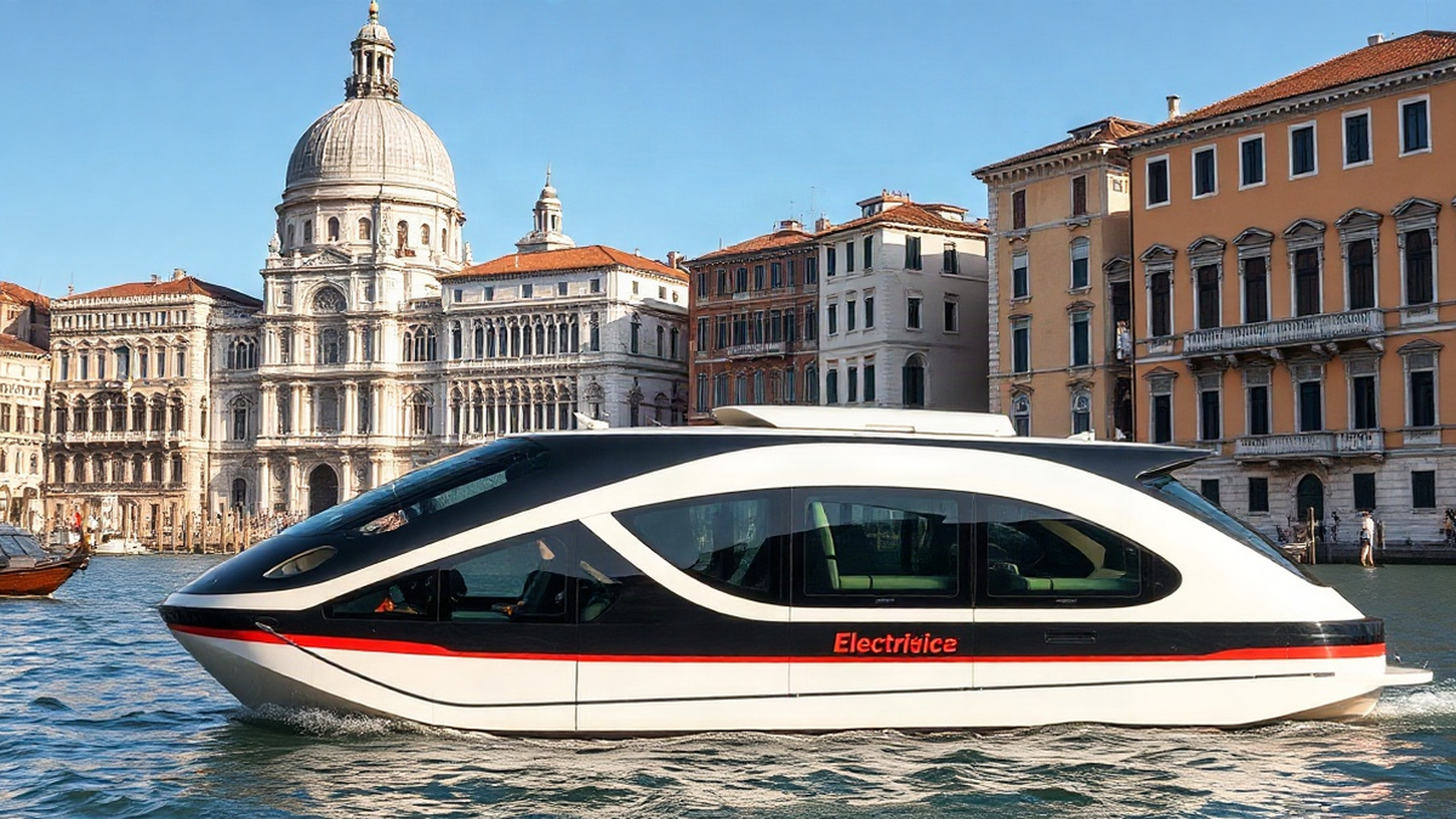
In September 2023, Venice introduced electric water buses to its fleet, aiming for sustainable urban transportation by reducing pollution and promoting eco-friendly travel across its iconic canals.
At a glance
- Where
- Venice, Italy
- Best for
- Eco-conscious travelers
- Time needed
- Varies by route
- Access/Cost
- Standard vaporetto fare applies
- Launch
- September 2023
- Last checked
- September 2026
The Advent of Electric Water Buses in Venice
Venice, renowned for its historic waterways, has embarked on a transformative journey towards sustainable urban mobility with the introduction of electric vaporetti. In September 2023, these electric water buses were launched, signaling a commitment to reduce the city's environmental footprint and preserve the delicate ecosystem of its lagoon. As one of the first cities to embrace this technology on such a scale, Venice is setting a benchmark for eco-friendly transportation within urban settings.
Environmental Impact and Benefits
The shift from traditional diesel-powered water buses to electric propulsion systems is a crucial step in enhancing air quality and minimizing water pollution. Venice’s lagoon, a UNESCO World Heritage site, is particularly sensitive to environmental changes. Electric vaporetti produce no direct emissions, significantly reducing the levels of pollutants that can harm both the environment and public health. This transition aligns with global efforts to combat climate change, making Venice a leader in sustainable urban planning.
Technical and Economic Challenges
Electrifying Venice's water bus fleet involves overcoming several technical and economic challenges. The initial cost of converting diesel engines to electric systems is substantial, requiring significant investment. Additionally, advanced energy storage and management systems are critical to ensure the reliability and efficiency of these electric vessels. Research indicates that public and private sector collaboration, along with potential subsidies, are essential to offset these initial expenses and encourage widespread adoption of this green technology.
Public Engagement and Adoption
Despite the technological advancements, the success of electric vaporetti hinges on public acceptance and engagement. Efforts are underway to educate residents and tourists about the benefits of electric transport, emphasizing its role in preserving Venice's unique environment. The city is also involved in the Sustainable Cities Challenge, which encourages innovative solutions to motivate individuals to adopt low- and zero-carbon transportation options. Public awareness campaigns and educational initiatives play a vital role in fostering a culture of sustainability among commuters and tourists alike.
Future Prospects and Expansion
Looking to the future, Venice plans to expand its fleet of electric water buses and explore additional sustainable transport solutions. The city is part of a global initiative, alongside Detroit and Varanasi, to develop eco-friendly urban transport systems. These efforts include the integration of renewable energy sources and the potential introduction of hybrid water buses, combining electric and fuel-cell technologies. By continuing to innovate, Venice aims to maintain its status as a pioneer in sustainable urban mobility, setting an example for other cities worldwide.
Historical Context and Cultural Significance
Venice's unique setting has long dictated its reliance on water-based transport, with water buses, or vaporetti, playing a central role in the city's public transportation system. Historically, these vessels have been powered by diesel engines, which, while effective, contributed to pollution in the city's delicate lagoon environment. The transition to electric water buses is not only a technological upgrade but also a cultural shift, aligning with Venice's commitment to preserving its heritage while embracing modern sustainability initiatives. This change is part of a broader trend in Venice to balance tourism, local needs, and environmental conservation, ensuring that its waterways are protected for future generations.
Infrastructure Development and Implementation
The introduction of electric water buses necessitates a comprehensive overhaul of Venice’s current transport infrastructure. Key to this transition is the establishment of charging stations along the main routes and at major stops. These stations are designed to efficiently recharge the electric vaporetti, minimizing downtime and maintaining schedule regularity. The city has invested in state-of-the-art energy management systems to ensure that the electric fleet operates seamlessly with existing transport services. This infrastructure development is being supported by both local government initiatives and international partnerships aimed at promoting clean energy solutions in urban environments.
Impact on Tourism and Local Economy
The shift to electric water buses is expected to have a significant impact on Venice's tourism sector, which is a major component of the local economy. By offering a cleaner and quieter mode of transportation, the electric vaporetti enhance the visitor experience, potentially increasing tourism appeal. Moreover, the reduced noise pollution and absence of diesel fumes contribute to a more pleasant and healthier environment for both residents and tourists. As Venice positions itself as a leader in sustainable tourism, this initiative is anticipated to attract eco-conscious travelers, boosting economic activity and providing new opportunities for local businesses to align with green travel trends.
Technological Innovations and Partnerships
The successful implementation of electric water buses in Venice is the result of numerous technological innovations and strategic partnerships. Collaborations with international technology firms and research institutions have been crucial in developing advanced propulsion systems and energy storage solutions tailored for the unique maritime conditions of the Venetian lagoon. These partnerships have facilitated knowledge exchange and innovation, helping Venice overcome technical challenges and set new standards for electric waterborne transportation. As the city continues to refine its approach, these collaborations will play a vital role in scaling up operations and potentially exporting this model to other cities seeking to implement sustainable transport solutions.
Frequently asked questions
What is “Sailing into the Future: Venice's Electric Water Buses” about?
In September 2023, Venice introduced electric water buses to its fleet, aiming for sustainable urban transportation by reducing pollution and promoting eco-friendly travel across its iconic canals.
What is the key fact about “Sailing into the Future: Venice's Electric Water Buses”?
Venice, Italy
What should readers know about “The Advent of Electric Water Buses in Venice”?
Venice, renowned for its historic waterways, has embarked on a transformative journey towards sustainable urban mobility with the introduction of electric vaporetti. In September 2023, these electric water buses were launched, signaling a commitment to reduce the city's environmental footprint and preserve the delicate ecosystem of its lagoon. As one of the first cities to embrace this technology on such a scale, Venice is setting a benchmark for eco-friendly transportation within urban settings.
Sources
- “Electric waterborne public transportation in venice: A case study,” ResearchGate. Source link
- “Smart mobility in Venice: An ecosystem perspective,” ScienceDirect. Source link
- “Venice’s newest waterbus: an electric ‘vaporetto’,” TravelGumbo. Source link
This article was independently researched and produced. No payment, complimentary service or editorial approval was provided by the places mentioned.