
In brief
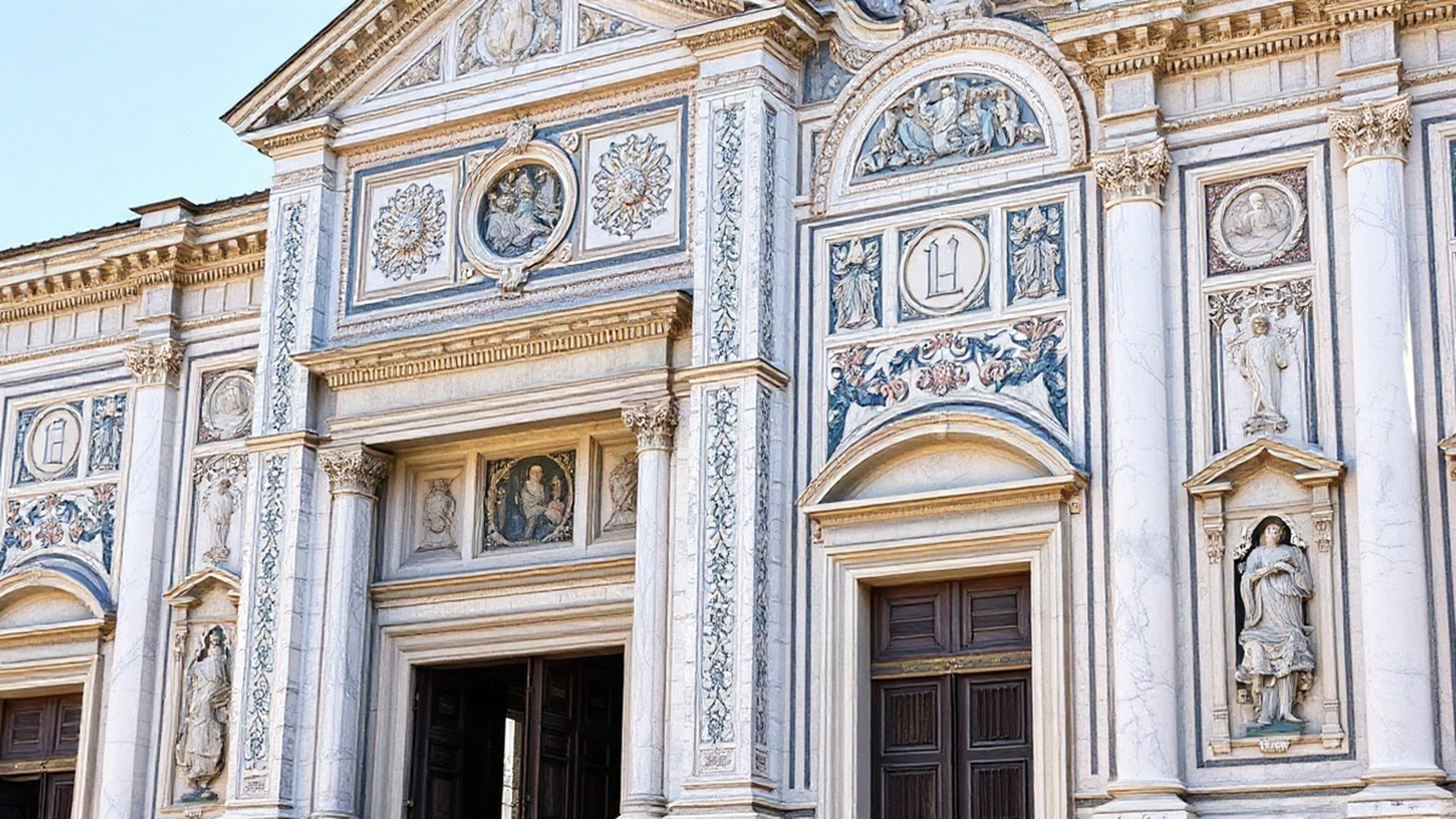
The Church of Santa Maria dei Miracoli, a stunning example of Venetian Renaissance architecture, reopened in September 2023 following an extensive restoration. This project revitalized the church's intricate marble facade and vibrant interior, preserving its historical integrity and artistic significance.
At a glance
- Location
- Cannaregio, Venice
- Best For
- Art and architecture enthusiasts
- Time Needed
- 1 hour
- Access/Cost
- Open to the public, free entry
- Last Checked
- November 2023
A Renaissance Masterpiece in Marble
Santa Maria dei Miracoli, often referred to as Venice's marble church, stands as a testament to the city's rich artistic heritage. Located in the Cannaregio district, this architectural marvel was constructed between 1481 and 1489, designed by Pietro Lombardo. Its exterior is adorned with polychrome marble, a striking feature that lends an air of opulence to the modestly sized building. The church was originally built to house a miraculous icon of the Virgin Mary, which is reflected in its name.
The Extensive Restoration Process
The recent restoration, completed in September 2023, was an intricate process aimed at preserving the church's historical integrity. According to the World Heritage Centre, the restoration involved replacing crumbling portions of the structure using traditional techniques and identical materials. This meticulous approach ensured that the authenticity of the church was maintained. One unexpected challenge was the cleaning of the ornate coffered ceiling, which revealed the vibrancy of its original colors, contrasting with the previously accumulated grime.
Architectural and Artistic Highlights
Inside, the church is a treasure trove of Renaissance artistry. The high altar, flanked by intricately carved columns, serves as a focal point, while the barrel-vaulted ceiling, now restored to its former glory, displays a series of vibrant biblical scenes. The church's intimate atmosphere is enhanced by its harmonious proportions and the serene palette of its marble walls. The nave and aisles are adorned with delicately carved sculptures and frescoes, each contributing to the church's overall aesthetic and spiritual ambiance.
Visiting Santa Maria dei Miracoli
For those wishing to visit, the church is accessible from the Strada Nova, a short walk from the Rialto Bridge. It offers a tranquil retreat from the bustling city streets. Entry is free, allowing visitors to immerse themselves in a piece of Venice's Renaissance history without the crowds often found in more famous sites. The reopening of Santa Maria dei Miracoli is a reminder of the importance of preserving cultural heritage. Its meticulous restoration not only safeguards a historical site but also offers a renewed appreciation for the delicate craftsmanship of the Venetian Renaissance.
Future Preservation Efforts
Looking ahead, ongoing maintenance and preservation efforts are crucial to ensure the longevity of Santa Maria dei Miracoli. Organizations like Save Venice Inc., dedicated to preserving Venetian heritage, continue to play a vital role in funding and supporting restoration projects. Their work ensures that future generations can experience the beauty and historical significance of sites like Santa Maria dei Miracoli.
Historical Context and Significance
The Church of Santa Maria dei Miracoli holds a special place in the history of Venetian architecture and religious devotion. Built during the late 15th century, this church is one of the earliest examples of Renaissance architecture in Venice, showcasing the transition from Gothic to Renaissance style. Its construction was initiated to house a miraculous image of the Virgin Mary, believed to have caused numerous healings and wonders. This image became a focal point of devotion, drawing pilgrims and locals alike, which in turn influenced the architectural grandeur of the church.
Pietro Lombardo, a prominent architect and sculptor of the time, was commissioned to design Santa Maria dei Miracoli. His work on this church is notable for the harmonious proportions and the use of luxurious materials like colored marble, which were uncommon in Venice at that period. This use of marble echoed the opulence of Byzantine influences while pioneering Renaissance ideals of symmetry and classicism. The church's significance is also underscored by its relative rarity; free-standing, it stands apart from the more common Venetian practice of attaching religious buildings to larger complexes.
Impact of Venetian Renaissance Architecture
The architectural style of Santa Maria dei Miracoli played a significant role in influencing later developments in Venetian Renaissance architecture. The use of polychrome marble facades became more widespread in subsequent Venetian buildings, illustrating a shift toward more colorful and ornate designs. This style was instrumental in the development of a uniquely Venetian approach to Renaissance architecture, which combined classical elements with the rich decorative traditions of the city.
Venetian Renaissance architecture, as exemplified by Santa Maria dei Miracoli, became influential beyond the confines of Venice. Architects such as Andrea Palladio later drew inspiration from these early works, further disseminating the Renaissance style across Europe. In particular, the emphasis on symmetry, proportion, and the incorporation of artistic elements into architectural designs can be seen as a precursor to the grandeur of later architectural movements.
Community and Cultural Role
Beyond its architectural and historical significance, Santa Maria dei Miracoli serves as a center of community and cultural life in Venice. The church is not only a place of worship but also a venue for cultural events and gatherings, contributing to the vibrant cultural tapestry of the Cannaregio district. Its serene and intimate setting provides an ideal backdrop for concerts, lectures, and art exhibitions, allowing the public to engage with the church's rich heritage in a variety of contexts.
The church's reopening after restoration has rekindled interest from both locals and tourists, enhancing its role as a cultural ambassador for the city. By preserving the church, Venice continues to celebrate its rich artistic and architectural legacy, while promoting the importance of cultural heritage conservation in the modern world.
Technological Innovations in Restoration
The restoration of Santa Maria dei Miracoli incorporated several technological advancements that have set a precedent for future conservation projects in Venice. One of the key innovations was the use of laser cleaning technology to gently remove centuries of grime from the marble surfaces without damaging the underlying material. This technique allowed restorers to uncover the original colors and details of the sculptures and reliefs, restoring them to their former vibrancy.
Additionally, 3D scanning was employed to create accurate models of the church's architectural elements. This technology ensured that any replacements or reinforcements were precise, maintaining the structural and aesthetic integrity of the church. These innovations not only enhanced the quality of the restoration but also provided valuable data for ongoing preservation efforts. By leveraging modern technology, the restoration project exemplified a forward-thinking approach to heritage conservation, balancing the need for preservation with the desire to maintain historical authenticity.
Frequently asked questions
What is “Santa Maria dei Miracoli: Restoring a Venetian Jewel” about?
The Church of Santa Maria dei Miracoli, a stunning example of Venetian Renaissance architecture, reopened in September 2023 following an extensive restoration. This project revitalized the church's intricate marble facade and vibrant interior, preserving its historical integrity and artistic significance.
What is the key fact about “Santa Maria dei Miracoli: Restoring a Venetian Jewel”?
Cannaregio, Venice
What should readers know about “A Renaissance Masterpiece in Marble”?
Santa Maria dei Miracoli, often referred to as Venice's marble church, stands as a testament to the city's rich artistic heritage. Located in the Cannaregio district, this architectural marvel was constructed between 1481 and 1489, designed by Pietro Lombardo. Its exterior is adorned with polychrome marble, a striking feature that lends an air of opulence to the modestly sized building. The church was originally built to house a miraculous icon of the Virgin Mary, which is reflected in its name.
Sources
- “Restoration of Santa Maria dei Miracoli,” World Heritage Centre. Source link
- “Save Venice Inc.,” Save Venice Inc.. Source link
- “Santa Maria dei Miracoli, Venice,” Wikipedia. Source link
This article was independently researched and produced. No payment, complimentary service or editorial approval was provided by the places mentioned.