
In brief
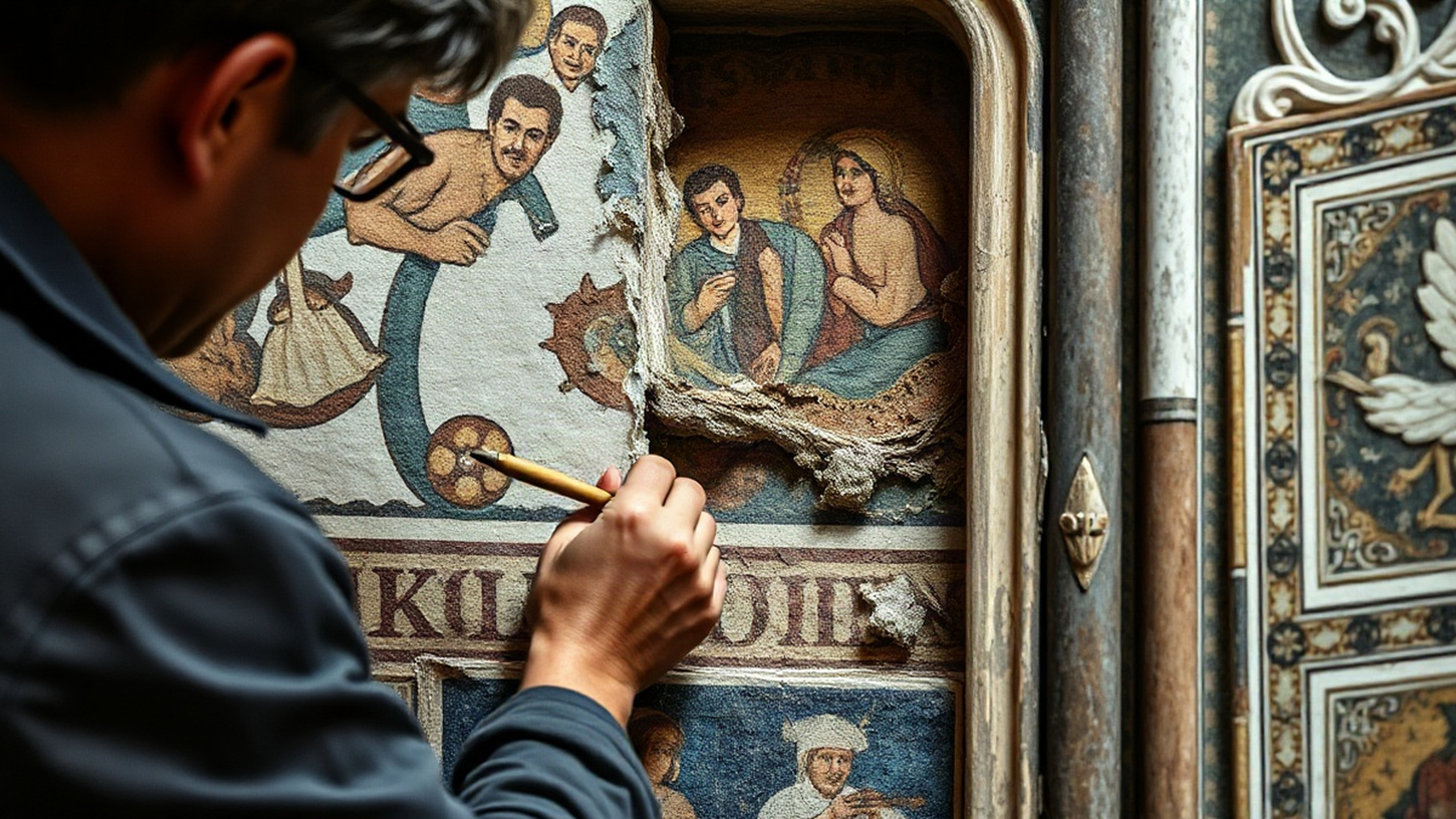
In September 2023, the restoration of the Basilica di San Marco's mosaics was completed, unveiling their vibrant colors and intricate details that had been obscured for years.
At a glance
- Where
- Basilica di San Marco, Venice
- Best for
- History and art enthusiasts
- Time needed
- 1-2 hours to explore
- Access/cost
- Free entry to the basilica; donations appreciated
- Last checked date
- August 2026
Unveiling Hidden Treasures
In a significant cultural milestone for Venice, the restoration of the mosaics in the Basilica di San Marco was completed in September 2023. These mosaics, which date back to between the late 11th and mid-19th centuries, have long been a testament to the city's rich artistic heritage. The restoration process, which began several years prior, aimed to revitalize the vibrant colors and intricate details that had gradually faded over decades of exposure to the elements.
A History of Restoration
The mosaics of San Marco have undergone numerous restorations since the end of the 13th century. Each phase of restoration has been a careful balancing act, striving to preserve the original artistry while addressing the wear and tear caused by time and environmental factors. The latest round of work was particularly crucial following the damage inflicted during the high tides in November 2019, which raised concerns about the integrity of the mosaics and other elements of the basilica. The restoration was supported by a budget of 3.3 million euros, reflecting the importance of these artworks to the cultural identity of Venice.
Artistic Significance
The mosaics of the Basilica di San Marco are not merely decorative; they encapsulate the ambitions, faith, and cultural exchanges that have shaped Venice over centuries. Their Greco-Byzantine origins reflect the city's historical connections with the Eastern Mediterranean, while the later additions showcase local artistic expressions influenced by various trends. Visitors can now witness the intricate craftsmanship that characterizes these mosaics, from the vivid depictions of biblical scenes to the ornate patterns that adorn the basilica's interior. The mosaics serve as a visual narrative of Venice’s evolution through historical epochs.
Visitor Experience
As visitors step into the basilica, they are greeted by a dazzling array of colors that dance across the walls and ceilings. The restored mosaics invite viewers to linger and contemplate the stories they tell, each tile a small piece of a larger narrative that has unfolded over centuries. The experience of exploring the basilica is enhanced by the renewed vibrancy of its artworks, making it a must-visit destination for anyone seeking to understand the essence of Venetian culture. The mosaics' intricate details are now more visible than ever, allowing for a deeper appreciation of the artistry involved in their creation.
A Celebration of Venetian Heritage
The completion of this restoration project marks a moment of celebration for the city of Venice and its residents. It not only restores a vital part of the city's identity but also reinforces the commitment to preserving its rich cultural heritage for future generations. As Venice continues to navigate the challenges posed by climate change and tourism, such restoration efforts are essential in maintaining the integrity of its historic sites. The successful culmination of this project highlights the importance of investing in cultural preservation, ensuring that future visitors and residents can appreciate the artistic legacy of the Basilica di San Marco.
The Art of Mosaic Making
The intricate mosaics of the Basilica di San Marco are a product of a unique artistic technique that has evolved over centuries. Mosaic making involves assembling small pieces of colored glass, stone, or other materials, known as tesserae, to create larger images and patterns. This technique requires not only a keen eye for detail but also a deep understanding of color theory and composition. The artisans who crafted the mosaics utilized a range of materials, including gold leaf to create luminous effects, and carefully selected stones to ensure durability against the elements. The combination of these materials contributes to the vibrant and dynamic visual experience that the mosaics provide, transforming the basilica into a stunning work of art.
The Role of Technology in Restoration
Modern restoration techniques have played a crucial role in preserving the mosaics of San Marco. Advanced methods, such as digital imaging and 3D scanning, have allowed restorers to analyze the condition of the mosaics with unprecedented precision. These technologies enable experts to identify areas in need of repair and to understand the composition of the materials used in the original mosaics. Additionally, the use of non-invasive cleaning techniques has become standard practice, ensuring that the restoration process does not further damage the delicate artworks. By integrating traditional craftsmanship with contemporary technology, the restoration team has successfully revitalized the mosaics while maintaining their historical integrity.
Community Involvement in Preservation Efforts
The restoration of the Basilica di San Marco's mosaics has not only been a project for art historians and conservators but also a community effort. Local organizations and volunteers have participated in various activities aimed at raising awareness about the importance of cultural heritage preservation. Educational programs have been developed to engage residents and visitors alike, highlighting the significance of the mosaics and the ongoing need for their protection. Events such as guided tours and workshops have helped foster a sense of ownership and pride among Venetians, encouraging them to take an active role in safeguarding their city's artistic legacy.
Future Challenges and Sustainability
As Venice faces the realities of climate change, including rising sea levels and increased flooding, the preservation of the Basilica di San Marco's mosaics remains a pressing concern. The city's unique environment poses ongoing challenges for the integrity of its historic sites. To address these issues, city officials and conservationists are exploring sustainable practices that can be employed in future restoration projects. This includes using environmentally friendly materials and methods that minimize the impact on the delicate ecosystem of the lagoon. The commitment to sustainability reflects a broader awareness of the interconnectedness of cultural heritage and environmental stewardship, ensuring that future generations can continue to appreciate the beauty of Venice's mosaics.
Frequently asked questions
What is “The Revitalization of San Marco's Mosaics” about?
In September 2023, the restoration of the Basilica di San Marco's mosaics was completed, unveiling their vibrant colors and intricate details that had been obscured for years.
What is the key fact about “The Revitalization of San Marco's Mosaics”?
Basilica di San Marco, Venice
What should readers know about “Unveiling Hidden Treasures”?
In a significant cultural milestone for Venice, the restoration of the mosaics in the Basilica di San Marco was completed in September 2023. These mosaics, which date back to between the late 11th and mid-19th centuries, have long been a testament to the city's rich artistic heritage. The restoration process, which began several years prior, aimed to revitalize the vibrant colors and intricate details that had gradually faded over decades of exposure to the elements.
Sources
- “Basilica San Marco Restoration,” Basilica di San Marco. Source link
- “3.3 million euros for the restoration of St. Mark's Basilica in Venice,” Life in Italy. Source link
This article was independently researched and produced. No payment, complimentary service or editorial approval was provided by the places mentioned.