
In brief
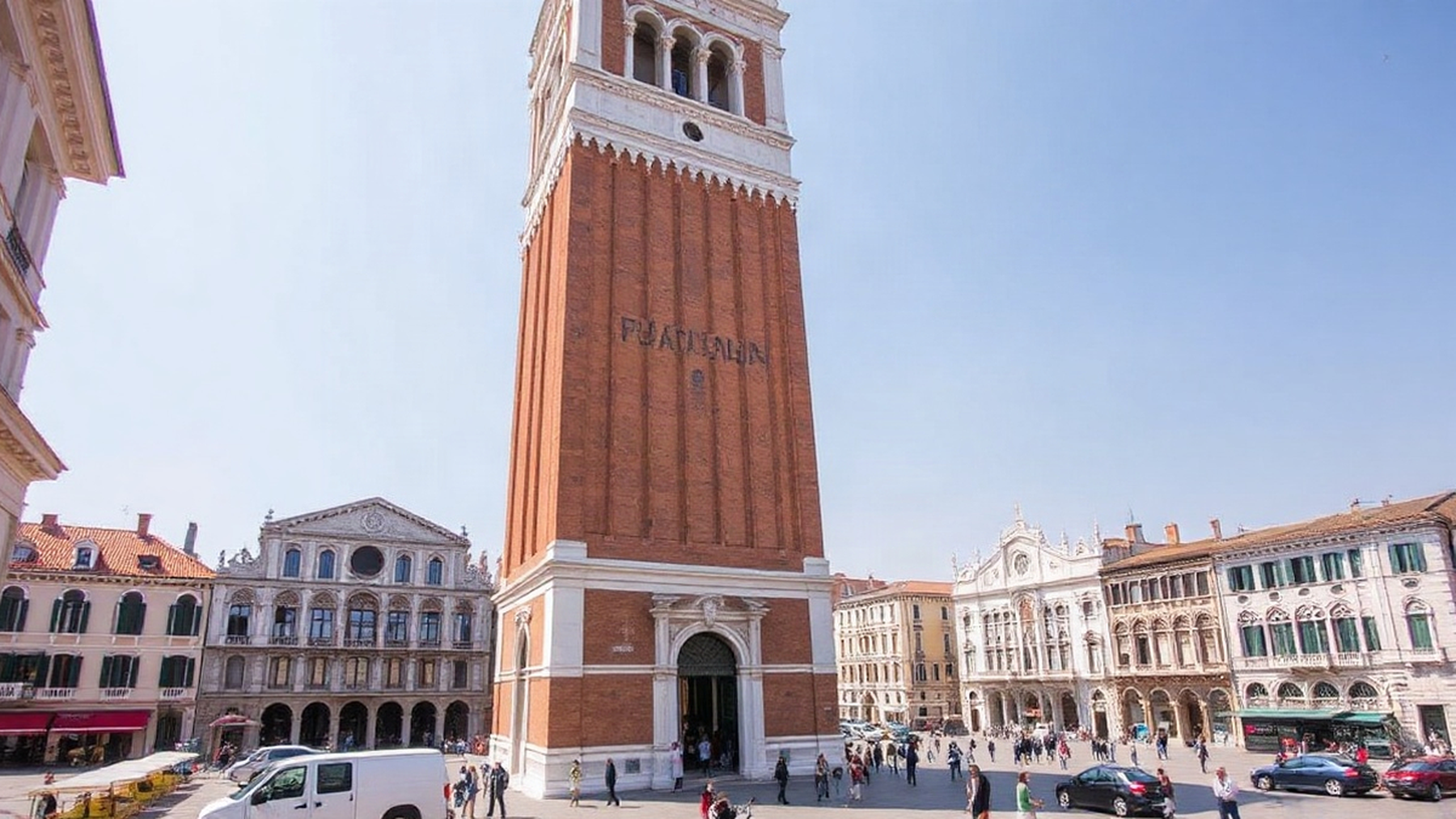
The San Marco Bell Tower, restored in September 2023, symbolizes Venice's commitment to preserving its architectural heritage amidst climate challenges. The efforts highlight the city's resilience in the face of ongoing environmental threats.
At a glance
- Location
- Piazza San Marco, Venice
- Height
- 98.6 meters
- Best for
- Historical architecture lovers
- Time needed
- 20-30 minutes
- Access/cost
- Tickets around €10
- Last checked date
- August 2026
A Historical Landmark
The Campanile di San Marco, standing at 98.6 meters, is not only the tallest structure in Venice but also a national symbol. Originally constructed in the 9th century, it has undergone various restorations, most notably after its collapse in 1902. The current structure, completed in 1912, is a testament to the city's architectural resilience. The bell tower has served as a lighthouse for ships navigating the lagoon and a watchtower for the city, embodying both functionality and grandeur.
Recent Restoration Efforts
In September 2023, the bell tower reopened to the public after extensive restoration work led by Rizzani de Eccher. This ambitious project involved a thorough photographic survey of the structure, archaeological excavations, and significant consolidation efforts to ensure its stability against the challenges posed by the lagoon's environment. The restoration addressed various vulnerabilities of the tower, including those caused by the soft soil and rising sea levels that threaten many structures in Venice.
The Importance of Preservation
Venice's unique geographical setting creates ongoing challenges for its structures. The soft soil and rising sea levels necessitate continuous restoration work, particularly for landmarks like the San Marco Bell Tower. This recent restoration is part of a broader commitment to preserving Venice's architectural heritage, a priority outlined in the UNESCO World Heritage guidelines. The city has implemented various measures to protect its historical and cultural assets, ensuring that they withstand the test of time and the elements.
A Symbol of Hope
The reopening of the San Marco Bell Tower serves as an inspiring reminder of Venice's resilience. It stands not only as a historical monument but as a beacon for future preservation efforts in a city constantly at the mercy of nature's whims. Visitors can once again ascend its heights to enjoy panoramic views of the city and the lagoon, a privilege that connects them to Venice's storied past. The tower's bells, which have rung through centuries of history, now echo once more, celebrating a renewed commitment to the preservation of Venice's cultural heritage.
Visiting the Bell Tower
Accessing the San Marco Bell Tower is straightforward, with tickets priced around €10. Visitors are encouraged to check for any special hours or closures, especially during inclement weather. The best time to visit is typically in the morning or late afternoon when the light offers stunning views of the surrounding architecture and waterways. Allocate approximately 20 to 30 minutes for the visit to fully appreciate the tower's grandeur and historical significance.
Conclusion
The San Marco Bell Tower stands as a testament to Venice's rich history and its determination to preserve its architectural legacy. The recent restoration efforts highlight the importance of safeguarding cultural heritage in the face of environmental challenges. As Venice continues to navigate the complexities of climate change, the bell tower remains a symbol of hope and resilience, inviting visitors to connect with the city's past while looking toward a sustainable future.
The Architectural Features of the San Marco Bell Tower
The San Marco Bell Tower is renowned for its distinctive architectural style, which reflects a blend of Romanesque and Gothic influences. The tower's base is square, measuring approximately 12 meters on each side, and it features a series of elegant arches and columns that enhance its grandeur. The structure is adorned with a series of decorative elements, including a clock face and four bronze statues known as the "Moors," which strike the hour. At the pinnacle of the tower, a golden weathervane in the shape of the Archangel Gabriel adds a touch of radiance, further accentuating its prominence in the skyline of Venice.
Historical Significance and Cultural Impact
The San Marco Bell Tower has played a pivotal role in the cultural and social life of Venice throughout its history. Beyond serving its functional purpose as a bell tower, it has been a gathering point for local events and celebrations. The tower has also witnessed significant historical moments, including the ringing of its bells to announce important occasions or to signal danger. Its presence has become deeply ingrained in the cultural identity of Venice, often depicted in various forms of art and literature, symbolizing the city's resilience and enduring legacy.
The Role of Modern Technology in Restoration
Modern restoration techniques played a crucial role in the recent efforts to preserve the San Marco Bell Tower. The use of advanced technology, such as 3D scanning and structural analysis, allowed restorers to gain a comprehensive understanding of the tower's condition. This innovative approach facilitated the identification of vulnerabilities that needed to be addressed. Additionally, the integration of traditional materials and techniques with contemporary methods ensured that the restoration remained faithful to the tower’s original design while enhancing its structural integrity against future environmental threats.
Educational Initiatives and Visitor Engagement
To foster appreciation for the San Marco Bell Tower and its historical significance, various educational initiatives have been implemented. Guided tours and informational displays provide visitors with insights into the tower's architectural features, restoration processes, and its role in Venice's history. Furthermore, workshops and community events encourage local participation, allowing Venetians and tourists alike to engage with the city’s rich heritage. Such initiatives not only enhance the visitor experience but also promote a deeper understanding of the importance of preserving cultural landmarks for future generations.
Sources
- “The Campanile di San Marco Restoration,” Rizzani de Eccher. Source link
- “Bell Tower – Basilica di San Marco,” Basilica di San Marco. Source link
- “Venice and its Lagoon - UNESCO World Heritage Centre,” UNESCO. Source link
This article was independently researched and produced. No payment, complimentary service or editorial approval was provided by the places mentioned.