
In brief
Venice is pioneering a project that transforms lagoon seaweed into biodegradable bioplastics. This initiative aims to reduce plastic pollution while supporting the local ecosystem. With the help of MIT Solve, Venice is studying the feasibility of large-scale bioplastic production, potentially setting an example for global environmental efforts.
At a glance
- Where
- Venice Lagoon
- Best for
- Eco-conscious visitors
- Purpose
- Reduce plastic pollution
- Partners
- City of Venice, MIT Solve
- Last checked
- October 2023
A New Chapter in Environmental Solutions
Venice, a city renowned for its intricate waterways and rich history, is now setting a new standard in environmental sustainability. The city has embarked on a revolutionary project to transform the seaweed proliferating in its lagoon into biodegradable bioplastics. This initiative not only seeks to reduce plastic pollution but also aims to preserve the fragile ecosystem of the lagoon.
The Case for Seaweed
Seaweed is an abundant resource in the Venetian Lagoon, thriving in its saline waters. It grows rapidly, up to 30 to 60 times faster than land-based plants, making it an ideal candidate for bioplastic production. Seaweed also plays a critical role in absorbing carbon dioxide and other pollutants, contributing to water purification and ecosystem balance. Research by Abbass et al. highlights the potential of seaweed-derived bioplastics in offering a sustainable alternative to traditional plastics, which are a major source of marine pollution.
Innovative Collaboration
The City of Venice, in partnership with MIT Solve, has launched a pilot algae farm in the lagoon. Spanning 20 by 20 meters, this farm serves as a research hub to explore the feasibility of large-scale bioplastic production. Researchers are focusing on the CO2 capture rates, heavy metal removal, and water remediation capabilities of various seaweed species. This collaborative effort aims to optimize the sustainability and efficiency of bioplastic production processes.
Global Implications
If successful, Venice's seaweed bioplastic project could become a model for similar initiatives worldwide. By transforming a local environmental challenge into an innovative solution, Venice is setting a precedent for responsible urban development and ecological conservation. The project underscores the potential for communities to harness natural resources in a way that benefits both the environment and the economy.
Challenges and Future Prospects
Despite its promise, the project faces challenges, including the technical complexities of scaling up production and ensuring the economic viability of bioplastics compared to conventional plastics. However, the growing global demand for sustainable materials and the increasing awareness of plastic pollution provide a supportive backdrop for the project's expansion. As research progresses, Venice hopes to lead a global movement towards the adoption of bioplastics, contributing to a more sustainable future.
Conclusion
Venice's initiative to produce bioplastics from lagoon seaweed exemplifies the city's commitment to sustainability and innovation. By addressing local and global environmental challenges, Venice is not only preserving its unique ecosystem but also paving the way for other cities to follow suit. This project highlights the transformative potential of combining scientific research with practical environmental solutions.
Harnessing Seaweed: The Science Behind Bioplastic Production
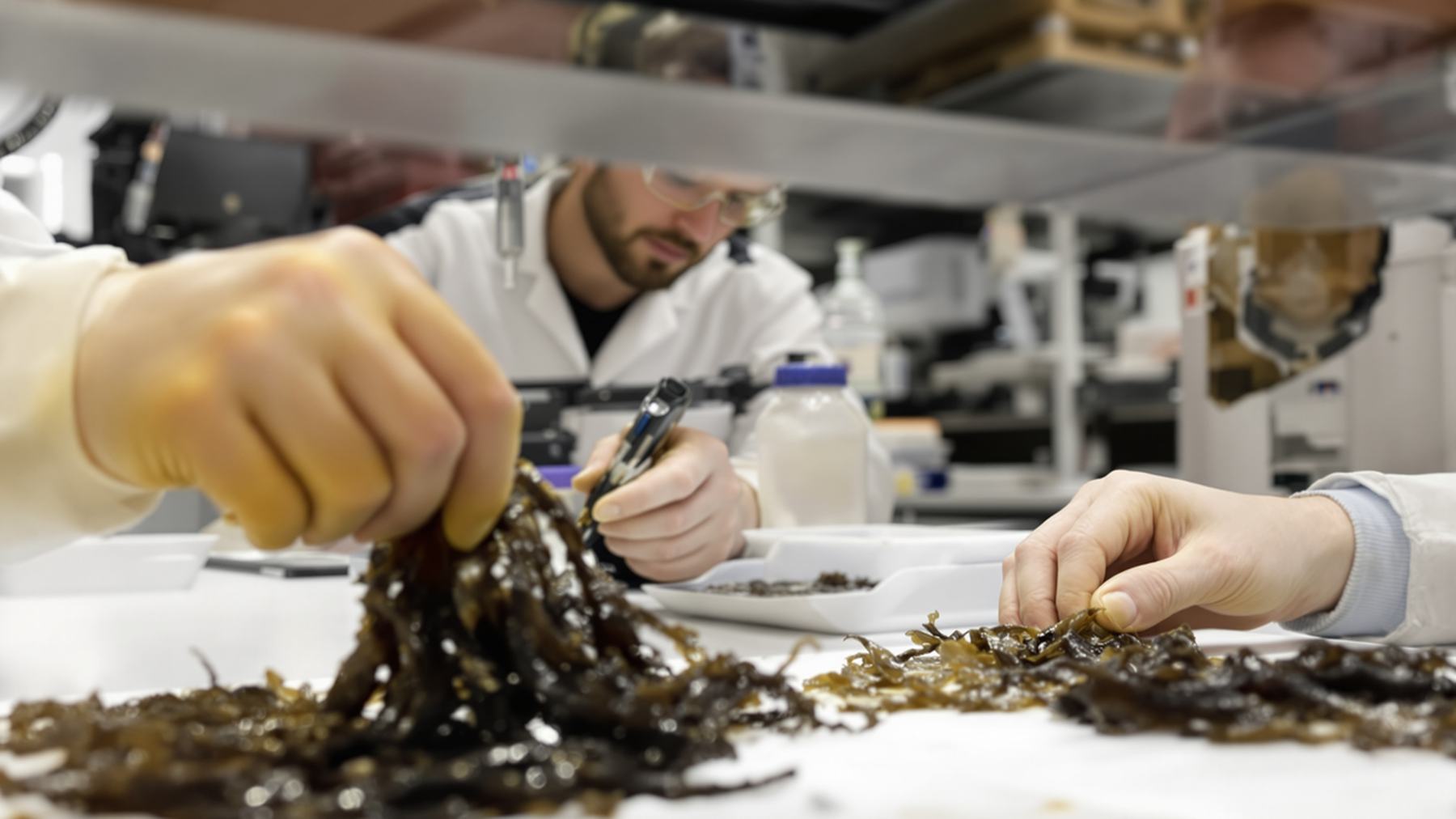
The process of converting seaweed into bioplastics is both innovative and complex, involving several critical stages. Initially, seaweed is harvested and subjected to a process of extraction to obtain alginates, which are natural polymers found in the seaweed's cell walls. These alginates are pivotal in the development of bioplastics as they can be processed into films and fibers. Researchers are exploring various methods to optimize these extraction processes, aiming to increase yield and reduce energy consumption. The use of enzymes and other biotechnological advancements has shown promise in enhancing the efficiency of these methods, making the production of bioplastics more feasible on a commercial scale.
Overcoming Ecological and Economic Challenges
While the benefits of bioplastics are clear, the transition from traditional plastic production to seaweed-based alternatives is fraught with challenges. One major hurdle is the ecological impact of large-scale seaweed farming. Although seaweed grows rapidly and is a renewable resource, its cultivation requires careful management to avoid disrupting local marine ecosystems. Moreover, economic challenges persist, as the cost of producing bioplastics currently outweighs that of conventional plastics. Researchers are actively seeking solutions to these issues, such as developing more cost-effective cultivation and processing techniques, and exploring potential subsidies or incentives to support the industry. The integration of circular economy principles, where waste from one process is used in another, could also play a crucial role in making seaweed bioplastics economically viable.
Community Engagement and Educational Initiatives
The success of Venice's bioplastic project hinges not only on technological advancements but also on community engagement and education. Local residents, businesses, and tourists are being encouraged to participate in and support sustainable practices. Educational programs are being developed to inform the public about the benefits of bioplastics and the importance of reducing plastic waste. Initiatives such as workshops, informational tours, and school programs aim to raise awareness and foster a culture of sustainability. By involving the community, Venice hopes to create a lasting impact that extends beyond the production of bioplastics, inspiring a broader movement towards environmental responsibility.
Potential for Technological Innovation
As the project progresses, there is significant potential for technological innovation in the field of bioplastics. Advances in materials science could lead to the development of new types of bioplastics with enhanced properties, such as increased durability or biodegradability. Additionally, the integration of digital technologies, such as data analytics and artificial intelligence, could optimize seaweed farming and processing, making operations more efficient and sustainable. Venice's collaboration with institutions like MIT Solve exemplifies a commitment to leveraging cutting-edge research and technology to tackle environmental challenges. By continuously exploring new frontiers in science and technology, the project aims to position Venice as a leader in both sustainability and innovation.
Frequently asked questions
What is “Turning Tides: Venice's Bioplastic Revolution” about?
Venice is pioneering a project that transforms lagoon seaweed into biodegradable bioplastics. This initiative aims to reduce plastic pollution while supporting the local ecosystem. With the help of MIT Solve, Venice is studying the feasibility of large-scale bioplastic production, potentially setting an example for global environmental efforts.
What is the key fact about “Turning Tides: Venice's Bioplastic Revolution”?
Venice Lagoon
What should readers know about “A New Chapter in Environmental Solutions”?
Venice, a city renowned for its intricate waterways and rich history, is now setting a new standard in environmental sustainability. The city has embarked on a revolutionary project to transform the seaweed proliferating in its lagoon into biodegradable bioplastics. This initiative not only seeks to reduce plastic pollution but also aims to preserve the fragile ecosystem of the lagoon.
Sources
- “Transforming seaweed into bioplastics: a review of cultivation, harvesting and processing methods,” Tandfonline. Source link
- “Biodegradable plastics from marine biomass: A solution to marine plastic pollution,” ScienceDirect. Source link
- “MIT Solve,” MIT. Source link
This article was independently researched and produced. No payment, complimentary service or editorial approval was provided by the places mentioned.