
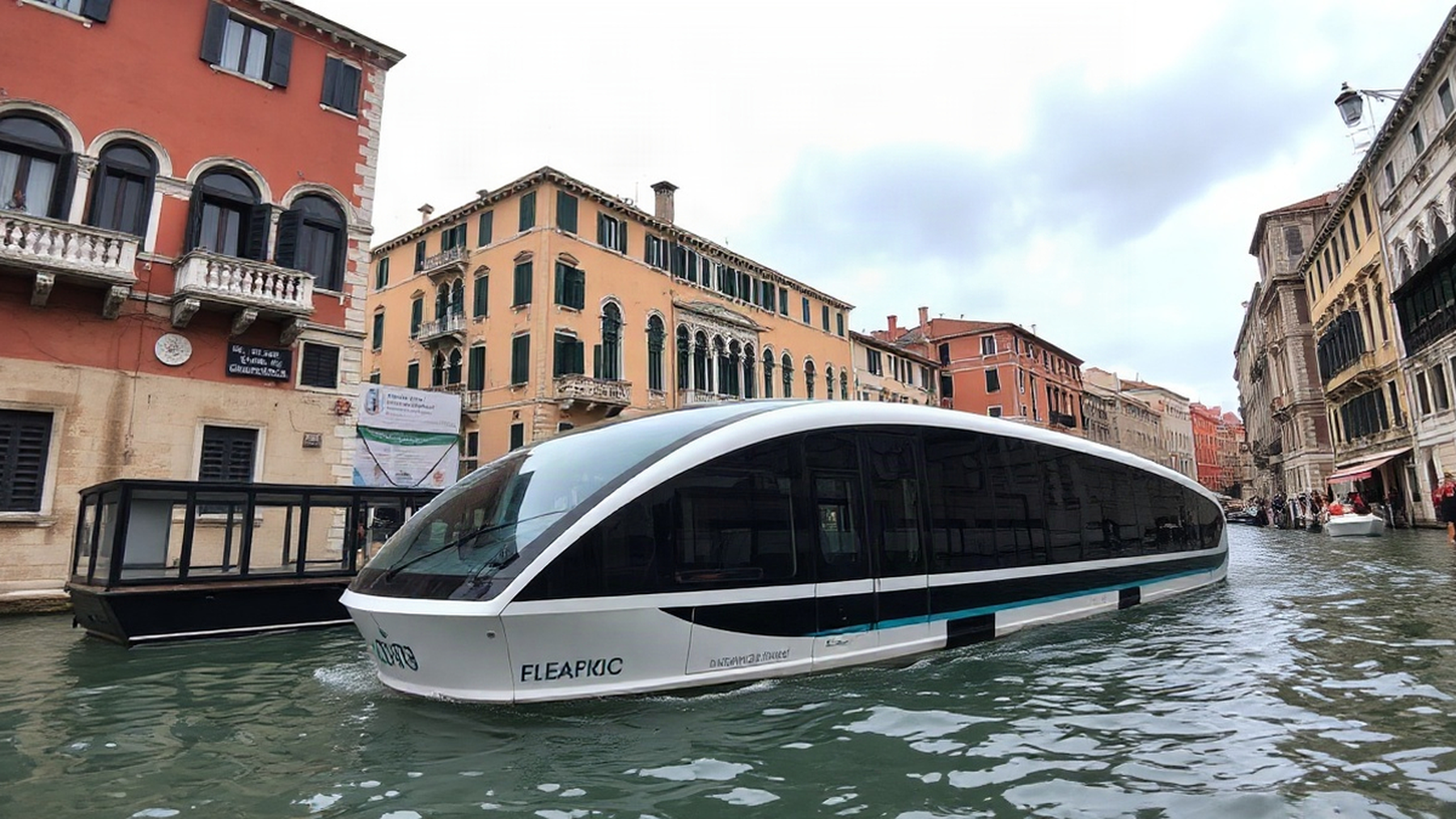
In brief
Venice's electric waterbus utilizes batteries in the canals and switches to diesel across the lagoon. This hybrid approach aims to lower emissions while supporting the city's transport demands.
At a glance
- Where
- Venice Lagoon and Canals
- Best for
- Eco-conscious travelers
- Cost to Develop
- €700,000 for the first boat
- Capacity
- 40 seats
- Operational Times
- 5am to midnight
- Last Checked
- September 2026
Introducing Sustainable Innovation
Venice, a city renowned for its picturesque canals and historic architecture, is making waves in the realm of environmental sustainability with the recent launch of its first electric waterbus. This innovative transport solution represents a significant stride in the city's efforts to address environmental challenges and preserve its unique urban landscape for future generations.
How the Electric Waterbus Operates
The newly introduced waterbus operates on a hybrid model, utilizing electric power when navigating Venice's iconic canals. This approach significantly reduces emissions, providing a cleaner and quieter alternative to traditional diesel-powered boats. When the waterbus travels across the lagoon, it switches to diesel power, which simultaneously charges the onboard batteries. This dual approach not only conserves energy but also ensures that the waterbus can maintain its operational schedule without interruption.
Economic and Environmental Impact
The development of the first electric waterbus required a substantial investment of approximately €700,000. While the initial cost is significant, the long-term benefits are expected to surpass these expenses. By reducing reliance on fossil fuels, the project aims to lower greenhouse gas emissions and contribute to the preservation of Venice's delicate ecosystem. The city hopes that the introduction of more electric waterbuses in the future will further enhance these efforts.
Broader Implications for Urban Transport
This initiative is part of a broader movement towards sustainable urban transport solutions in Venice. The city is actively participating in global initiatives, such as the Sustainable Cities Challenge, which encourages the development of low- and zero-carbon transport options. By embracing such technologies, Venice is positioning itself as a leader in sustainable transport and serving as a model for other historic cities around the world.
Challenges and Future Prospects
While the electric waterbus represents a promising step forward, Venice faces challenges in encouraging widespread adoption of this and other eco-friendly transport options. According to a 2023 report by Audimob, many residents and visitors continue to rely on familiar transport methods, highlighting the need for increased awareness and incentives to motivate a shift in travel habits. The city plans to work with international innovators to develop creative strategies that promote the use of sustainable transport.
Conclusion: A Step Towards the Future
The launch of Venice's electric waterbus marks a significant milestone in the city's journey towards sustainability. It reflects a thoughtful integration of technology with the preservation of cultural heritage, addressing both the environmental and urban demands of a modern city. As Venice continues to explore and expand its sustainable transport options, the electric waterbus stands as a testament to the city's commitment to a greener future.
Innovative Battery Technology and Charging Infrastructure
The success of Venice's electric waterbus project heavily relies on cutting-edge battery technology and an efficient charging infrastructure. The batteries used in these waterbuses are designed to provide sufficient power for operations within the canals while ensuring a seamless switch to diesel for longer lagoon travels. This hybrid system ensures that the waterbus maintains an optimal balance between energy efficiency and operational reliability. The city is exploring partnerships with advanced battery manufacturers to further enhance energy storage solutions, potentially extending the range and efficiency of future models.
Charging infrastructure is another critical component of the project. Venice is investing in strategically placed charging stations throughout the city to facilitate quick recharges during scheduled stops. This network not only supports the current fleet but also lays the groundwork for future expansions, enabling more waterbuses to transition to electric and hybrid models. As part of the broader Sustainable Cities Challenge, the city's infrastructure plans are being developed in collaboration with global experts in sustainable energy and transport.
User Engagement and Public Awareness Programs
To encourage greater adoption of the electric waterbus and other sustainable transport options, Venice is implementing a series of public awareness programs. These initiatives aim to educate residents and tourists about the environmental benefits of choosing eco-friendly transport and the long-term advantages for the city's unique ecosystem. Workshops, interactive exhibitions, and information campaigns are being organized at key tourist hubs and local community centers to engage different audiences.
Furthermore, the city is leveraging digital platforms to reach a broader audience. The AVM/Actv app, which allows for the easy planning of routes and purchase of tickets, now includes features that highlight the benefits of using the electric waterbus. By integrating real-time data on emissions saved and energy consumed, the app provides users with tangible evidence of their positive impact on the environment, further motivating eco-conscious travel choices.
Collaborative Efforts with International Innovators
Venice's commitment to sustainable transport extends beyond its borders through collaborations with international innovators and organizations. As part of the $9 million Sustainable Cities Challenge, Venice is working alongside cities like Detroit and Varanasi to share insights and strategies in developing low-carbon transport solutions. This global initiative not only brings financial support but also fosters an exchange of ideas and technologies that can be adapted to Venice's unique context.
The city's engagement in such global networks ensures that it remains at the forefront of sustainable transport innovation. By adopting practices and technologies tested in different urban environments, Venice can tailor solutions to fit its specific needs, addressing challenges related to its historic infrastructure and high tourist footfall. These collaborative efforts are crucial in maintaining the momentum of sustainable transport initiatives and ensuring their longevity and success.
Sources
- “Venice’s newest waterbus: an electric ‘vaporetto’,” TravelGumbo. Source link
- “Venice welcomes global innovators to advance low carbon transport,” Toyota Newsroom. Source link
This article was independently researched and produced. No payment, complimentary service or editorial approval was provided by the places mentioned.