
In brief
In February 2024, the Venice Council increased gondola licenses from 433 to 440. Seven new individuals were identified as potential recipients, addressing demand while maintaining the profession's cultural significance.
At a glance
- Decision Date
- February 2024
- New Licenses Issued
- 7
- Total Licenses
- 440 (up from 433)
- Cost of 30-min Ride (pre-7pm)
- €90 per gondola (up to 5 passengers)
A Subtle Shift in Venetian Tradition
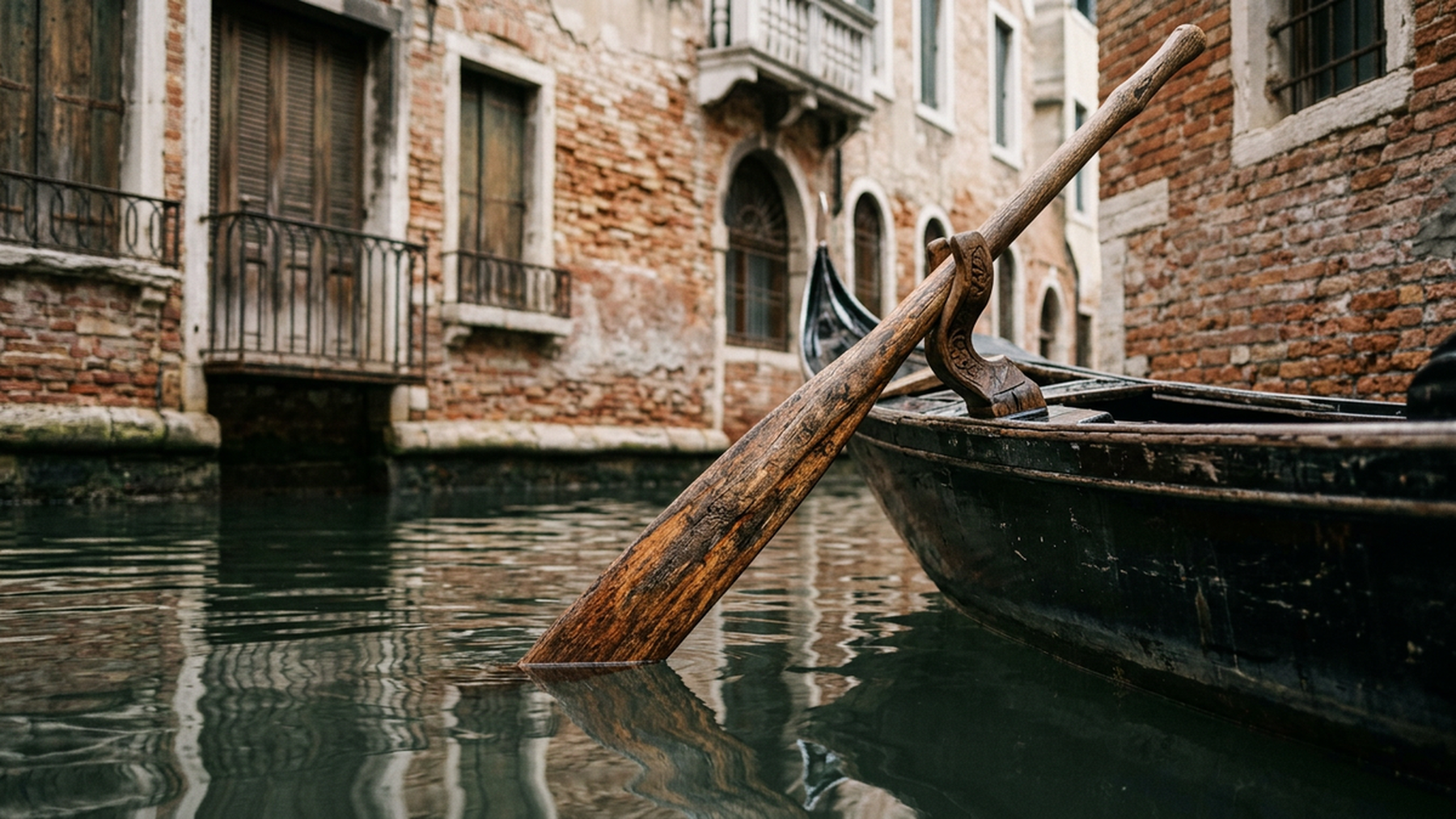
The rhythmic dip of an oar, the gentle glide through the canals, and the distinctive silhouette of a gondola are integral to Venice's identity. For centuries, the gondolier has been a custodian of this unique cultural heritage. In February 2024, the city of Venice introduced a notable update to the regulation of this historic profession, finalizing a definitive ranking of candidates for new licenses and subtly expanding the ranks of its iconic boatmen and women. This decision, emerging from a process that saw preliminary steps in September 2023, marks a moment of evolution for a trade often associated with deep-rooted tradition (La Nuova Venezia).
Previously, the number of active gondola licenses stood at 433. The recent municipal decision has increased this count to 440, with seven individuals identified as potential new license holders (La Nuova Venezia). This increment, while modest, signifies a responsive approach by the city council to the evolving demands and demographics of Venice, balancing the preservation of tradition with practical considerations for a living city.
The Path to Becoming a Gondolier
Becoming a gondolier in Venice is a rigorous journey, far removed from a casual tourist experience. It demands not only mastery of the unique Venetian rowing technique but also a deep understanding of the city's history, its intricate waterways, and often, proficiency in multiple languages. Prospective gondoliers must attend a specialized school and pass a competitive entry exam held every few years. Eligibility typically requires swimming proficiency and having attended school until at least the age of 16 (Travel Tomorrow). The curriculum is comprehensive, covering subjects from foreign languages to Venetian history and art, culminating in a challenging final exam.
Following the academic and practical training, an apprenticeship lasting between six and twelve months with a seasoned gondolier is mandatory. This hands-on experience is crucial for developing the nuanced skills required to navigate Venice's canals, from the bustling Grand Canal to the quieter, more intricate back waterways. The tradition of licenses being passed down through families has historically been strong, but the recent municipal decisions open pathways for new entrants, reflecting a shift towards a more formalized, merit-based system.
Implications for Tourism and the Profession
The increase in licenses could have several implications for both the gondola profession and Venice's tourism landscape. For residents and visitors alike, the gondola remains a quintessential Venetian experience. A 30-minute ride before 7 PM costs €90 per gondola, which can accommodate up to five passengers (The Independent). While the number of gondoliers has increased, the core experience remains unchanged in its essence.
The Venetian municipal administration, as per the 'Regolamento per il servizio pubblico di gondola,' oversees the framework for this public service (Comune di Venezia). This regulatory body ensures standards are maintained, from the duties of the gondoliers to the operational hours of the ferry stations. The recent decision to allow family members of license holders to register with the specific Role of Gondoliers under facilitated conditions, provided they commit to replacing the license holder for at least four years, also suggests a nuanced approach to succession and continuity within the profession (Turismo Italia News).
The Evolving Role of Gondoliers
Historically, the profession of a gondolier was largely hereditary, with licenses often passed down through generations. This created a strong sense of tradition and family legacy within the trade. However, modern Venice has seen shifts in this dynamic. While family connections remain important, the formalization of training and competitive examinations has opened the profession to a broader range of individuals. This evolution ensures that new gondoliers are not only skilled rowers but also knowledgeable ambassadors of Venetian culture, capable of sharing the city's rich history with visitors from around the world.
The inclusion of women in the gondolier profession is another significant development. While traditionally an exclusively male domain, the first female gondolier was officially recognized in 2009. Today, there are a growing number of female gondoliers, reflecting a more inclusive approach to this ancient craft. This change not only broadens representation but also enriches the profession with diverse perspectives and skills.
Maintaining Standards and Authenticity
With an increase in licenses and a more diverse pool of applicants, maintaining the high standards of the gondolier profession is paramount. The rigorous training program, which includes proficiency in rowing, swimming, first aid, foreign languages, and Venetian history and art, ensures that all licensed gondoliers are well-equipped to provide a safe, informative, and authentic experience. The apprenticeship period further refines practical skills and provides invaluable on-the-job experience, allowing new gondoliers to learn from seasoned veterans.
The city's regulatory framework, outlined in the 'Regolamento per il servizio pubblico di gondola,' plays a crucial role in upholding these standards. It defines the duties of gondoliers, sets operational guidelines for gondola stations, and establishes disciplinary powers to address any deviations. This comprehensive oversight ensures that the expansion of licenses does not compromise the quality or authenticity of the gondola service, which remains a cornerstone of Venice's tourism appeal.
This February 2024 update highlights a continuous effort to manage and preserve one of Venice's most iconic and economically significant traditions. It reflects a city navigating the balance between honoring its past and adapting to its future, ensuring that the sight and sound of a gondola remain a vibrant part of the Venetian experience for generations to come, whether gliding past historic palaces during the Venice Carnival (which runs from January 27 to February 13, 2024) or offering a serene journey through quieter canals.
Frequently asked questions
What is “Venice's Gondola Licenses: A February 2024 Update on a Historic Profession” about?
In February 2024, the Venice Council increased gondola licenses from 433 to 440. Seven new individuals were identified as potential recipients, addressing demand while maintaining the profession's cultural significance.
What is the key fact about “Venice's Gondola Licenses: A February 2024 Update on a Historic Profession”?
February 2024
What should readers know about “A Subtle Shift in Venetian Tradition”?
The rhythmic dip of an oar, the gentle glide through the canals, and the distinctive silhouette of a gondola are integral to Venice's identity. For centuries, the gondolier has been a custodian of this unique cultural heritage. In February 2024, the city of Venice introduced a notable update to the regulation of this historic profession, finalizing a definitive ranking of candidates for new licenses and subtly expanding the ranks of its iconic boatmen and women. This decision, emerging from a process that saw preliminary steps in September 2023, marks a moment of evolution for a trade often associated with deep-rooted tradition ( La Nuova Venezia ).
Sources
- “Nuove licenze per fare il gondoliere: si passa da 433 a 440,” La Nuova Venezia. Source link
- “Venice is recruiting new gondoliers for a rigorous training programme,” The Independent. Source link
- “Now you can apply to become one of Venice’s iconic gondoliers,” Travel Tomorrow. Source link
- “Regolamento per il servizio pubblico di gondola,” Comune di Venezia. Source link
This article was independently researched and produced. No payment, complimentary service or editorial approval was provided by the places mentioned.