
In brief
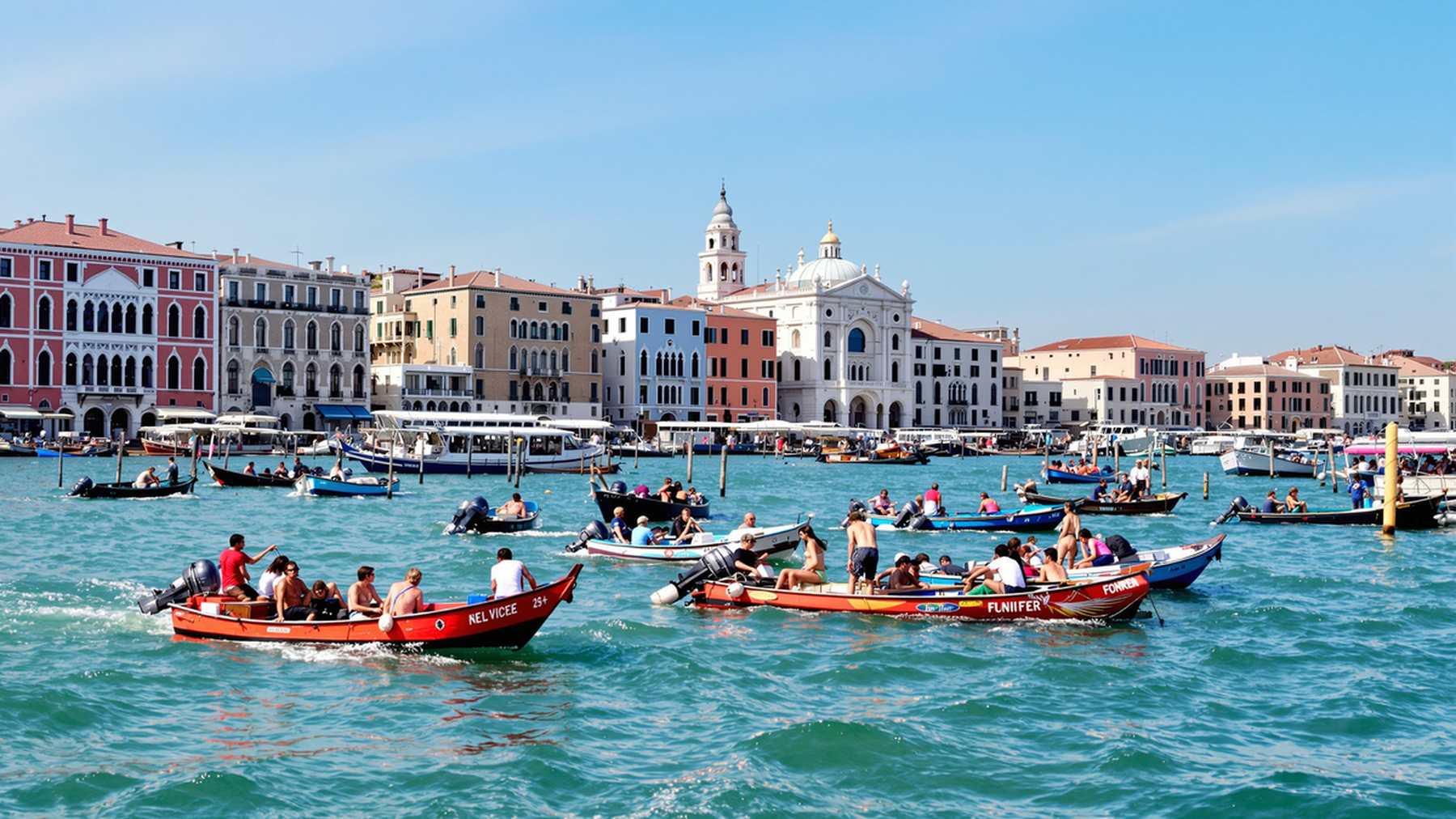
In September 2023, Venice rolled out regulations to limit boat traffic in the lagoon. These measures aim to reduce overcrowding and mitigate environmental damage, while balancing the interests of residents, businesses, and tourists.
At a glance
- Where
- Venetian Lagoon
- Best for
- Residents, environmentalists
- Time needed
- Ongoing
- Access
- Restricted to residents and concession holders
- Speed Limit
- Up to 20 km/h
- Last checked
- September 2026
Understanding the New Regulations
Venice, renowned for its historic beauty and intricate waterways, faces the complex challenge of protecting its cultural heritage while managing the pressures of modern tourism. In response to these pressures, September 2023 marked a pivotal moment with the enforcement of new navigation rules aimed at reducing the environmental impact of boat traffic on the Venetian Lagoon.
The newly introduced regulations are part of a broader initiative to manage the delicate balance between tourism and preservation. The 'Regulation for the Coordination of Local Navigation in the Venetian Lagoon' sets forth guidelines to control the speed and type of boats permitted in various parts of the lagoon. These measures are crucial for maintaining the site's status as a UNESCO World Heritage site, emphasizing the importance of sustainable tourism practices.
Key Features of the Boat Traffic Rules
The regulations introduce several key features aimed at curbing environmental degradation and enhancing safety. One of the primary components is the designation of Lagoon Traffic Restricted Zones (ZTLL). These zones, established within Venice's historic center and some environmentally sensitive islands, enforce stricter control over boat movements.
Speed limits are a significant aspect of the new rules. The general maximum speed in the lagoon is set at 20 km/h, but this limit is considerably lower in city canals, often reduced to 5 km/h or less, to minimize wake damage and enhance safety. The introduction of an electronic speed control system in 2025 further underscores the city's commitment to enforcing these regulations effectively.
Additionally, the rules restrict navigation within the canals to pleasure boats owned by residents of Venice and the lagoon's islands or those with a concession to occupy water space in the city center or along Giudecca. This restriction aims to prioritize local needs and reduce congestion caused by non-residential boat traffic.
Impacts and Reactions
The implementation of these rules has elicited varied reactions from different stakeholders. Environmentalists and local residents predominantly view the regulations as a positive step toward preserving the lagoon's fragile ecosystem. They argue that controlling boat traffic is essential for reducing pollution and safeguarding the unique aquatic environment that defines Venice.
Conversely, some business owners and tourism operators express concerns about potential economic repercussions. Reduced accessibility for tourists, they fear, could impact businesses reliant on visitor traffic. This sentiment is compounded by the upcoming introduction of a visitor entry fee in 2024, aimed at further managing tourist numbers.
Looking Forward
As Venice navigates the complexities of tourism management and environmental preservation, these boat traffic regulations represent a critical juncture. The city is committed to ongoing monitoring and adaptation of these measures to ensure they effectively balance the needs of residents, businesses, and tourists.
Future adjustments will likely be informed by the performance of these initial regulations and the feedback from affected stakeholders. Venice's approach underscores the importance of sustainable tourism practices and highlights the city's dedication to preserving its cultural and natural heritage for future generations.
Historical Context of Navigation Regulations
The need for regulation in the Venetian Lagoon is not a recent development. Historically, Venice has always been at the forefront of maritime governance, given its strategic position and economic reliance on waterborne trade. The current regulations are a continuation of Venice's long-standing tradition of balancing commercial interests with environmental stewardship. Ordinance No. 25/2002, for example, laid the groundwork for today's Lagoon Traffic Restricted Zones (ZTLL), demonstrating an early recognition of the need to protect environmentally sensitive areas from the impacts of excessive boat traffic.
Throughout the centuries, Venice has been a pioneer in managing its water traffic, dating back to the period of the Venetian Republic. These regulations ensured safe navigation and minimized the environmental impact of the bustling maritime activities that characterized Venice's economy. The modern rules build upon these historical practices, updating them to tackle contemporary challenges such as overtourism and climate change.
Technological Innovations in Traffic Management
One of the significant advancements in recent years has been the adoption of technology to enforce navigation rules more effectively. The introduction of an electronic speed control system in 2025 represents a significant leap forward in regulatory enforcement. This system allows for real-time monitoring of boat speeds within the lagoon, providing authorities with the tools needed to ensure compliance with speed limits and reduce the incidence of wake damage in sensitive areas.
Furthermore, the integration of GPS technology and digital mapping has enabled more precise delineation of navigation zones. These technologies not only help in enforcing speed limits but also assist in monitoring traffic flow, allowing for dynamic adjustments to regulations based on real-time data. This tech-driven approach aligns with Venice's broader strategy of using innovation to address environmental challenges while preserving its cultural heritage.
Environmental and Social Impacts
Beyond the immediate goal of reducing traffic congestion, the new navigation regulations have broader environmental and social implications. By restricting certain types of boats and implementing speed limits, Venice aims to significantly reduce the pollution levels in its waters. This is crucial for preserving the lagoon's biodiversity, which includes a variety of marine species and unique aquatic habitats. The reduction in pollution is expected to improve water quality, which is vital for both the ecological health of the lagoon and the aesthetic value that underpins Venice's tourism industry.
Socially, the regulations are designed to enhance the quality of life for residents. By prioritizing local boat traffic and reducing congestion, Venice hopes to create a more livable environment for its citizens. The restrictions on non-residential boat traffic are also intended to address the noise pollution and safety concerns that have been a growing issue for locals. This focus on enhancing local quality of life is a key component of Venice's strategy to ensure that tourism benefits both visitors and residents.
Challenges and Opportunities for Local Businesses
The implementation of these navigation rules presents both challenges and opportunities for local businesses. On one hand, businesses reliant on tourist traffic may face challenges due to reduced accessibility and increased regulation. However, this also presents an opportunity for innovation and adaptation. Businesses can capitalize on the emphasis on sustainable tourism by offering eco-friendly tours and experiences that align with the city's new regulatory framework.
Moreover, the focus on sustainable practices can open new markets and attract tourists who are increasingly conscious of their environmental impact. By aligning their operations with Venice's sustainability goals, local businesses can not only mitigate potential economic impacts but also contribute to the preservation of the lagoon's unique environment. This alignment with sustainability can enhance Venice's brand as a forward-thinking and responsible tourist destination, potentially attracting a different demographic of visitors who value eco-conscious travel.
Frequently asked questions
What is “Venice's New Boat Traffic Rules: Navigating Change in the Lagoon” about?
In September 2023, Venice rolled out regulations to limit boat traffic in the lagoon. These measures aim to reduce overcrowding and mitigate environmental damage, while balancing the interests of residents, businesses, and tourists.
What is the key fact about “Venice's New Boat Traffic Rules: Navigating Change in the Lagoon”?
Venetian Lagoon
What should readers know about “Understanding the New Regulations”?
Venice, renowned for its historic beauty and intricate waterways, faces the complex challenge of protecting its cultural heritage while managing the pressures of modern tourism. In response to these pressures, September 2023 marked a pivotal moment with the enforcement of new navigation rules aimed at reducing the environmental impact of boat traffic on the Venetian Lagoon.
Sources
- “Venice Lagoon Rules — Boats, Speed Limits & Navigation,” Trip Venice. Source link
- “Sailing in the Venice lagoon,” Meeting Venice. Source link
- “Venice Is Cracking Down on Overtourism,” Afar. Source link
This article was independently researched and produced. No payment, complimentary service or editorial approval was provided by the places mentioned.