
In brief
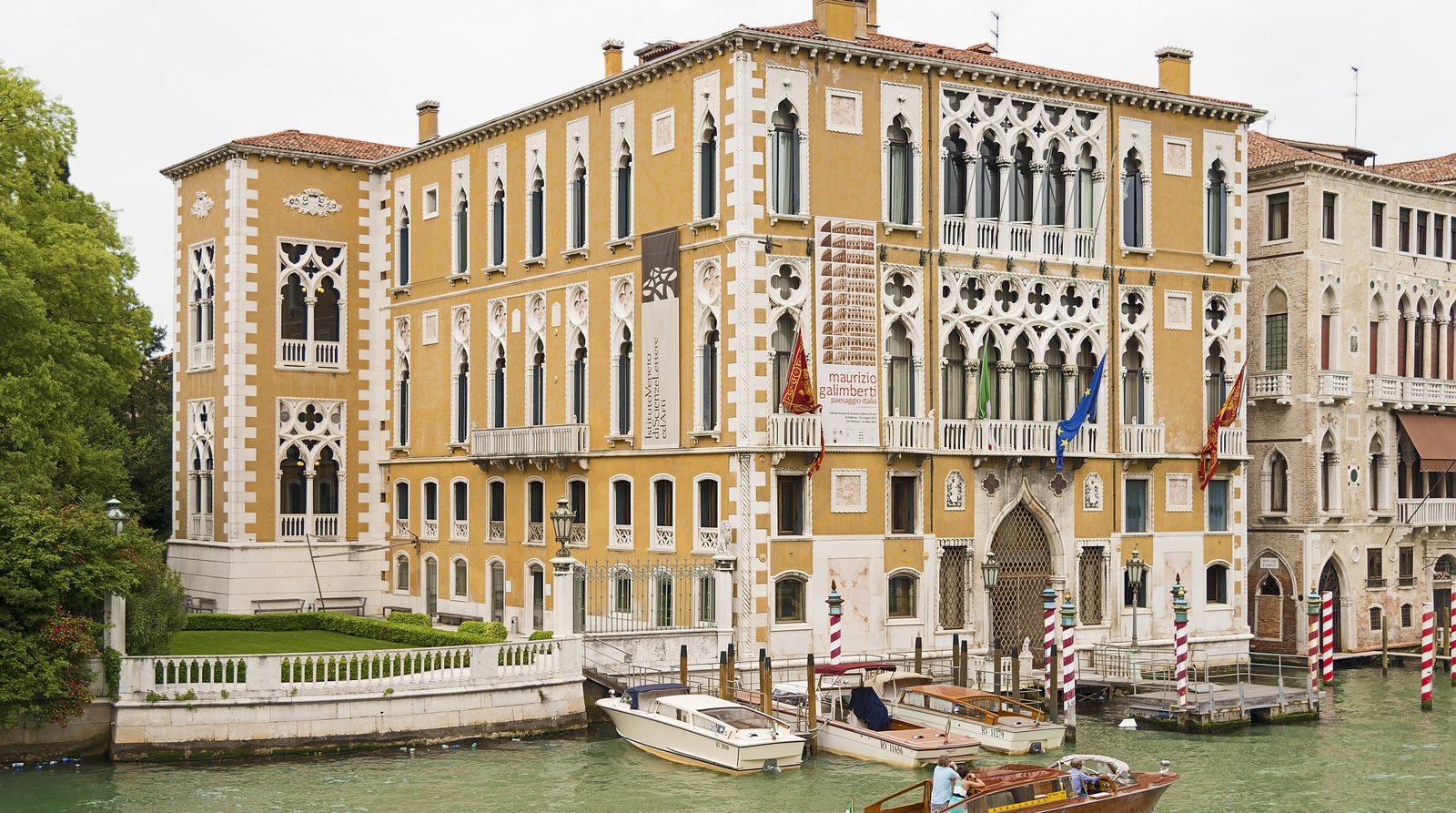
Venice moves entirely by water through four overlapping systems: the ACTV vaporetto network for public transport, private water taxis for door-to-door speed, traghetto gondola ferries for short Grand Canal crossings, and a fleet of working boats — ambulances, delivery barges, the post boat — that keep the city functioning. Most visitors rely on vaporetti; residents mix all four depending on time and cost.
At a glance
- Public transport
- ACTV vaporetto, numbered routes across the historic centre and lagoon
- Private option
- Licensed water taxi, direct routing, higher fixed cost
- Shortest crossing
- Traghetto gondola ferry over the Grand Canal, a few minutes, small fixed fare
- Ticketing
- Venezia Unica single tickets or multi-day travel cards
- Best for
- First-time visitors who want to understand the system before arriving
- Last checked
- July 2026
A city with no other choice
It is worth saying plainly, because it still surprises first-time visitors: there are no cars in Venice's historic centre, no scooters, and almost no bicycles — the streets are too narrow, too full of steps and bridges, and there simply is no road surface to ride one on. Everything that moves through the city moves by water or on foot. That single fact shapes daily life more than any other: grocery deliveries arrive by boat, furniture is moved by boat, the post is delivered by boat, and so, eventually, is the ambulance. Understanding the boats is not a tourist curiosity here. It is understanding how the city works.
The ACTV vaporetto network: the backbone
ACTV (Azienda del Consorzio Trasporti Veneziano) runs Venice's public transport, and its vaporetti — flat-bottomed motorised waterbuses — are the closest thing the city has to a metro. Numbered lines cross the Grand Canal, loop around the historic centre and reach out into the lagoon: Line 1 is the slow, scenic route down the full length of the Grand Canal, stopping at nearly every landing stage, while Line 2 covers a similar route faster with fewer stops. Line 4.1 and 4.2 circle Venice and Murano, and Line 12 is the one to know for Murano, Burano and Torcello, departing from Fondamente Nove on the northern edge of the city. Boats run frequently in the historic centre, roughly every ten to twenty minutes depending on the line and season, though outer-lagoon frequency drops sharply in the evening and off-season, so it is worth checking the timetable the same day rather than assuming a fixed schedule.
Vaporetti are not fast. A ride down the Grand Canal on Line 1 can take forty minutes, and that slowness is arguably the point — it is one of the best low-cost ways to see the city's palazzo facades in sequence, better appreciated as a sightseeing ride than a commute if time allows.
Water taxis: speed at a price
Licensed water taxis operate like a highly regulated black-cab system, run through cooperatives such as the Consorzio Motoscafi Venezia, with fixed licence numbers and posted tariff structures. They are considerably more expensive than a vaporetto ticket — a short hop can cost the same as an entire day's public transport pass — but they go door-to-door, run on demand at any hour, and are the only realistic option for heavy luggage, mobility needs, or a late-night arrival when vaporetto frequency has thinned to almost nothing. Always confirm the fare, or agree that the meter will be used, before boarding; official tariffs are published and any taxi operating within the city should be able to show a licence.
Traghetti: the cheapest gondola ride in Venice
Before the modern bridges were built, the Grand Canal could only be crossed at fixed points, and a handful of these crossings survive as traghetto services: a two-oar gondola, larger and plainer than the tourist version, that ferries passengers directly across the canal for a fixed, small fare — traditionally paid standing up, though sitting is generally tolerated for visitors. Crossings operate at a few points, including near Santa Sofia and San Tomà, mostly in the mornings and with reduced service on Sundays. It is the least expensive way to experience being rowed across Venetian water, and it is used daily by residents rather than staged for photographs, which makes it one of the more honest boat experiences in the city.
The working lagoon: boats you don't book
Alongside the boats visitors ride, an entire working fleet keeps Venice running. The postal service, Poste Italiane, delivers by boat. Veritas, the local utility company, collects rubbish by barge on a fixed daily circuit through the smaller canals, timed early enough to avoid the busiest foot traffic. Emergency services run dedicated ambulance boats and fire boats, sirens and all, navigating the same narrow canals as everyone else. None of this is staged for tourism — it is simply how a city with no roads solves the ordinary logistics of urban life, and watching a delivery barge thread a loaded pallet through a canal barely wider than itself is, in its own way, as impressive as anything in a museum.
Traditional rowed boats and where they survive
Beyond the gondola — which today functions mostly as a paid excursion rather than transport — Venice keeps a wider family of traditional rowed craft alive through its remiere, the rowing clubs found in most sestieri. Sandoli, mascarete and other flat-bottomed hulls are still built and raced, most visibly during the Regata Storica each September, a historic procession and race of period boats down the Grand Canal, and in smaller neighbourhood regattas throughout the warmer months. These clubs also teach voga alla veneta, the distinctive standing, forward-facing rowing style unique to the lagoon, to residents and visitors alike — a genuinely different way to understand the water than watching it from a vaporetto deck.
Buying the right ticket
Venezia Unica is the official city ticketing system covering ACTV public transport, and it is almost always better value for anyone planning more than two or three vaporetto rides in a day. Single tickets are valid for a fixed window after validation and cover unlimited transfers within that time; multi-day travel cards make more sense for anyone island-hopping to Murano, Burano or Torcello, or based further from the centre. Tickets must be validated at the electronic reader on the landing stage before boarding — inspections do happen, and an unvalidated ticket is treated as no ticket at all.
Which boat should you take?
For daily sightseeing and island trips, the ACTV vaporetto is the default: affordable, frequent enough in the centre, and it reaches almost everywhere that matters. Reach for a water taxi when time, luggage or mobility make the vaporetto impractical. Use a traghetto whenever one happens to be convenient — it is a small, everyday pleasure most visitors skip entirely. And if there is time for one deliberate detour, a rowing lesson or a quiet lagoon crossing under oar, rather than motor, remains the clearest way to feel how this city was actually built to move.
Sources
- ACTV / Venezia Unica — public transport routes, timetables and ticketing
- Comune di Venezia — urban mobility and lagoon transport information
- Consorzio Motoscafi Venezia — licensed water taxi service and tariff information
This article was independently researched and produced. No payment, complimentary service or editorial approval was provided by the places mentioned.