
In brief
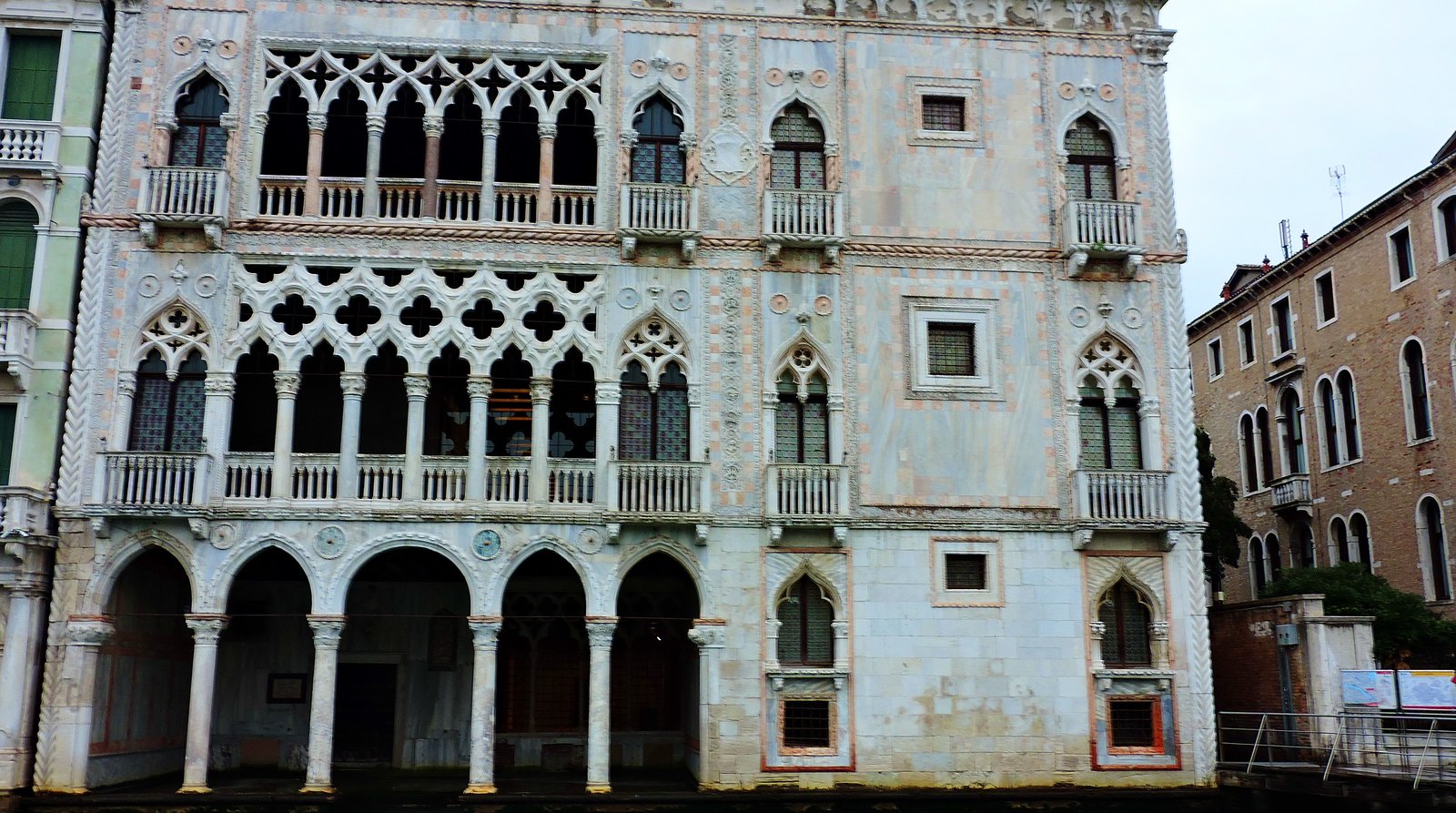
Restoring a historic Venetian palazzo involves addressing structural settlement in wood-piled foundations, chronic rising damp and salt crystallisation in masonry, and strict heritage oversight from Italy's Soprintendenza, which regulates what can be altered on protected buildings. Projects typically take years, cost significantly more than comparable mainland restorations, and depend on a small pool of specialised conservators trained in traditional materials and techniques.
At a glance
- Foundation system
- Wooden piles (often alder or oak) driven into lagoon clay, capped with Istrian stone
- Main structural threats
- Rising salt damp, foundation settlement, acqua alta exposure
- Regulating body
- Soprintendenza Archeologia, Belle Arti e Paesaggio (heritage authority)
- Typical project length
- Several years for a significant palazzo restoration
- Specialist trades involved
- Stonemasons, plasterers trained in traditional marmorino/intonaco, structural engineers
- Last checked
- July 2026
A city built on wood, capped in stone
The foundations beneath most historic Venetian palazzi are, remarkably, made of wood: dense forests of piles, historically sourced from alder, oak and larch in the forests of the eastern Alps and Dalmatia, driven deep into the lagoon's compact clay layer, where the absence of oxygen prevents the wood from rotting in the way it would above ground. Atop this timber substructure sits a base course of Istrian stone, a dense, low-porosity limestone chosen specifically for its resistance to salt water, which forms a barrier between the wet foundation and the brick masonry above. Restoration work that reaches down to this level — necessary when a building has settled unevenly or when the stone base course has failed — is exacting, since disturbing centuries-old pile foundations carries real risk of destabilising the structure above if not handled by specialists with direct experience of Venetian conditions specifically, not general foundation repair.
The enemy is salt, not just water
Above the Istrian stone base, brick and plaster are vulnerable to a different, slower problem: capillary rising damp, drawing lagoon water — and the salt dissolved in it — up through masonry well above any visible flood line. As that moisture evaporates from wall surfaces, it leaves salt crystals behind within the pores of brick and plaster, and the repeated cycle of crystallisation and dissolution physically breaks the material down from the inside, a process conservators call salt weathering. This is why so many ground-floor and lower-storey walls in Venice show crumbling plaster and mottled masonry even on buildings that have never been directly flooded by acqua alta at that specific spot: the damage is chemical and gradual, not simply a matter of visible water contact.
Correct treatment generally involves removing affected plaster to a safe height, allowing masonry to dry properly — sometimes over months — and reapplying breathable, salt-tolerant plasters formulated to allow moisture to evaporate through the surface rather than trapping it, since sealing a Venetian wall with modern impermeable materials typically accelerates damage rather than preventing it. This runs directly counter to standard mainland renovation practice, which is part of why conservators without specific Venetian experience can inadvertently make a building's condition worse.
What the Soprintendenza actually controls
Most historic buildings in central Venice fall under some level of protection from Italy's heritage authority, the Soprintendenza Archeologia, Belle Arti e Paesaggio, which must approve significant alterations to protected structures, including changes to facades, structural elements and, in many cases, interior features of documented historic or artistic value. This oversight is often described by owners and contractors as slow and bureaucratically demanding, but it is also the mechanism that has prevented the kind of piecemeal, inconsistent modernisation that has eroded historic fabric in many other European cities. A restoration permit for a protected palazzo typically requires documentation of existing materials and techniques, a conservation methodology consistent with the building's period, and, frequently, ongoing inspection during the works themselves.
Why it costs what it does
Materials alone — Istrian stone, lime-based plasters, hand-made terrazzo alla veneziana floors, traditional timber roof structures — cost considerably more than standard modern equivalents, and the skilled labour required to work them correctly is scarce, concentrated among a relatively small number of specialist firms and craftspeople with genuine Venetian restoration experience. Add the logistical premium of a city with no road access, where every load of material and every piece of equipment must arrive by boat and be moved by hand or small trolley through narrow calli, and the cost multiplier over comparable mainland work becomes considerable. Timelines stretch accordingly: a significant palazzo restoration commonly runs several years from initial survey to completion, not counting the months of drying time that salt-affected masonry often needs before finishing work can even begin.
A discipline sustained by necessity
What keeps this specialised trade alive is, simply, that there is no alternative: a city built almost entirely of protected historic structures on an unusual foundation system in a saline, tidal environment requires conservators who understand that specific combination of problems, and that knowledge is transmitted, much like the lagoon's other crafts, through years of hands-on apprenticeship rather than general architectural training alone.
Sources
- Soprintendenza Archeologia, Belle Arti e Paesaggio per il Comune di Venezia e Laguna — heritage protection regulations
- CORILA (Consorzio per il coordinamento delle ricerche inerenti al sistema lagunare di Venezia) — foundation and salt-weathering research
- Comune di Venezia — building conservation permitting
This article was independently researched and produced. No payment, complimentary service or editorial approval was provided by the places mentioned.