
In brief
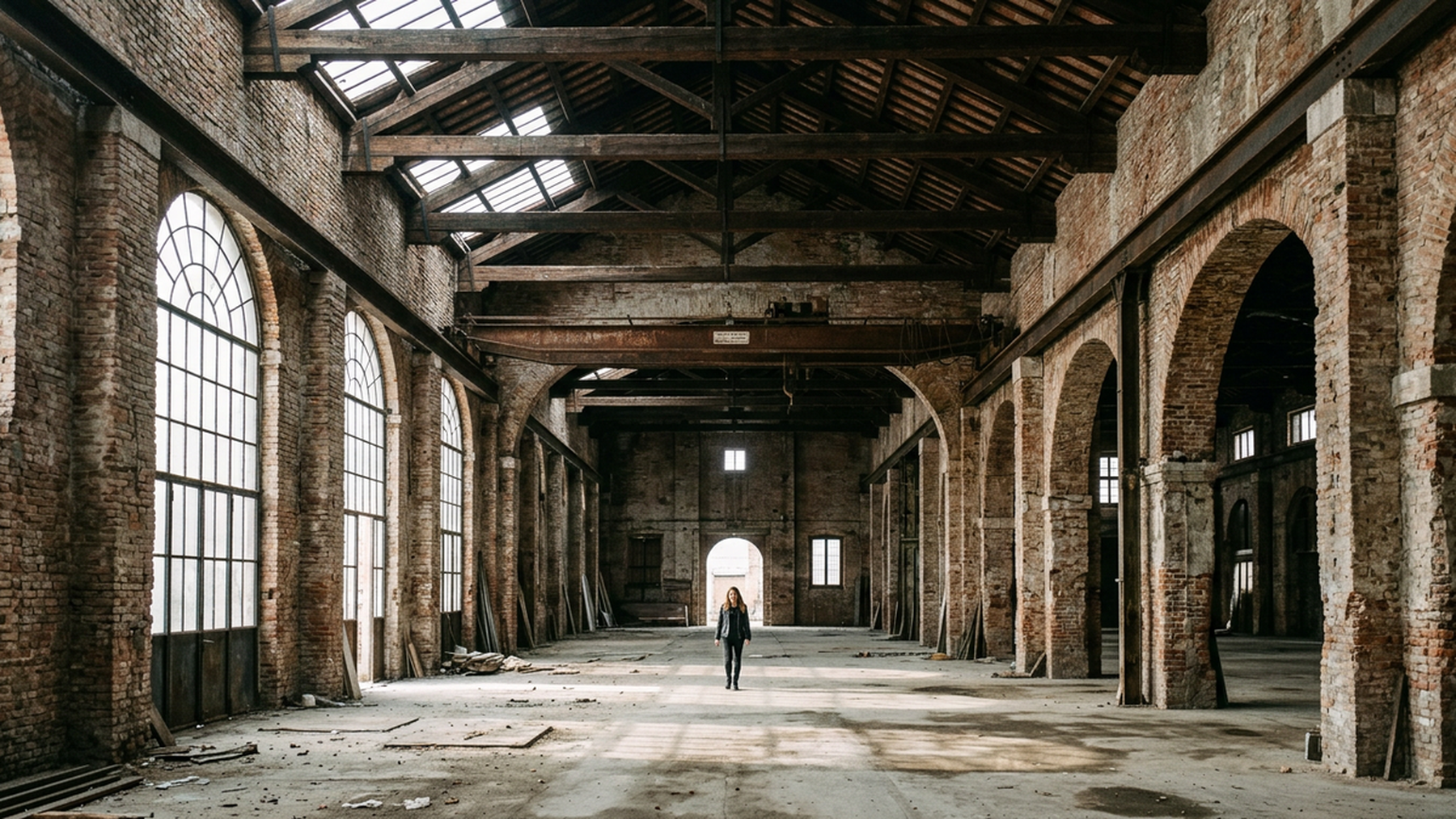
La Biennale di Venezia's acquisition of Arsenale Nord establishes a permanent, year-round exhibition and research hub. Announced in February 2024, this expansion provides additional capacity for cultural programming.
At a glance
- Location
- Arsenale Nord, Castello, Venice
- Purpose
- Permanent, year-round Biennale exhibitions and research
- Historical Context
- Former shipyard, part of the Arsenale complex used by Biennale since 1980
- Current Use
- Exhibition site for International Art and Architecture Exhibitions
A New Chapter for the Arsenale
The announcement in February 2024 by La Biennale di Venezia regarding its acquisition of a substantial part of Arsenale Nord signifies a pivotal moment for Venice's cultural landscape. This move is set to transform a historic shipyard, once a symbol of the Venetian Republic's maritime power, into a permanent, year-round cultural hub for exhibitions and research. For decades, the Arsenale has been integral to the Biennale, first becoming an exhibition site for the 1st International Architecture Exhibition in 1980. Its extensive spaces, including the Corderie and Artiglierie, have hosted numerous artistic endeavors, with approximately 50,000 square meters (25,000 indoor) of the South-East area already dedicated to Biennale activities since 1999. The expansion into Arsenale Nord promises to further deepen this relationship, offering additional capacity for programming and fostering a more continuous engagement with the arts.
The Arsenale itself is a place steeped in history, where the formidable fleets of the Serenissima were constructed. Its vast complex of construction sites once underscored the city's economic, political, and military might. Today, after restoration carried out by the Venice Authority, parts of the building have been technologically adapted to serve contemporary cultural needs. The North and South Armaments complex, for instance, located in the heart of the Arsenale area in use at the Biennale, is made up of two imposing two-story buildings, offering significant exhibition potential across its roughly 11,430 square meters, including lofts of 4,460 square meters overall.
Implications for Public Access and Venetian Life
The vision for Arsenale Nord extends beyond merely increasing exhibition space; it speaks to a broader goal of integrating the Biennale more deeply into the fabric of Venetian life throughout the year. The president of the Biennale has stated that the proposal for this permanent center would benefit both the arts organization and the residents of Venice, who would enjoy “a center that is open and vibrant all year round.” This suggests a shift from the traditionally seasonal nature of the main Biennale exhibitions, which typically draw large crowds during their run from May to September, often with extended hours on Fridays and Saturdays at the Arsenale.
Currently, visitors to the Biennale Arte 2024, for example, encounter major works within the existing Arsenale spaces. Artistic director Adriano Pedrosa's edition, 'Foreigners Everywhere,' presents pieces like Claire Fontaine's suspended neon 'Foreigners Everywhere (Self-Portrait)' (2004–ongoing) and Yinka Shonibare's 'Refugee Astronaut VIII' (2024) in the first room of the Arsenale. The expansion into Arsenale Nord will provide additional capacity for such exhibitions and related programming. The existing infrastructure already supports various events, including a partially permanent stage (16 meters wide by 6 meters deep) with an electrical system covering the entire available space, with electrical power connections of up to 100 kw and a central control panel. This stage is positioned in the central Tesa of the four that compose the overall space of 2650 sq.m, divided by large stone arches, indicating the potential for a multifaceted cultural program in the newly acquired areas.
The Giardini is the original site of the Biennale di Venezia events, where National Pavilions were built starting in 1907. The Arsenale, an archaeological complex, began constructing ships for the Venetian Republic's fleet in the 14th century. Both venues consist of two sections: one dedicated to the International Exhibition and one for National Participations. The expansion into Arsenale Nord will complement these established areas, providing additional room for the International Art and Architecture Exhibitions. While the main exhibitions are most visited during weekends, midweek days are often recommended for a more leisurely pace. The period from May to September typically offers extended opening hours on Fridays and Saturdays at the Arsenale, coinciding with the International Dance and Theatre Festivals and the Venice International Film Festival, which all take place between June and September, offering opportunities to attend multiple events.
The prospect of a year-round cultural hub suggests a more consistent presence and accessibility for the Biennale, which could offer new opportunities for residents and visitors alike to engage with contemporary art and research outside of the intense Biennale periods. This development could reshape how Venice positions itself as a global cultural destination, moving towards a more sustained engagement with its artistic institutions.
Strategic Expansion and Enhanced Programming
The recent acquisition of Arsenale Nord by La Biennale di Venezia represents a strategic expansion designed to significantly enhance its programming capacity and year-round presence. This move builds upon decades of the Biennale utilizing the historic Arsenale complex, which first became an exhibition site for the 1st International Architecture Exhibition in 1980. Since 1999, approximately 50,000 square meters (25,000 indoor space) of the South-East area of the Arsenale have been dedicated to Biennale activities, including renowned spaces like the Corderie and Artiglierie. The addition of Arsenale Nord will complement these existing areas, providing further room for both the International Art and Architecture Exhibitions and fostering a more continuous engagement with the arts beyond the traditional exhibition cycles. The vision is to transform a historic shipyard, once a symbol of the Venetian Republic's maritime power, into a permanent cultural hub.
This expansion is not merely about increasing square footage; it's about deepening the Biennale's roots within Venice and offering a more consistent cultural offering. The North and South Armaments complex, already located in the heart of the Arsenale area used by the Biennale, comprises two imposing two-story buildings, offering significant exhibition potential across its roughly 11,430 square meters, including lofts of 4,460 square meters. These spaces, after restoration and technological adaptation by the Venice Authority, are now suitable for contemporary cultural needs. The new areas in Arsenale Nord are expected to host diverse programming, including exhibitions, research initiatives, and public events, solidifying the Biennale's role as a vibrant cultural institution throughout the year.
Integrating with the Existing Biennale Landscape
The integration of Arsenale Nord into the Biennale's existing landscape promises a more cohesive and expansive visitor experience. The Giardini, the original site of Biennale events since 1907 with its iconic National Pavilions, and the main Arsenale complex, a proto-industrial archaeological site that began constructing ships in the 14th century, will now be complemented by this new permanent hub. Both the Giardini and the Arsenale currently feature two sections: one for the International Exhibition and one for National Participations. The additional capacity at Arsenale Nord will provide further opportunities for presenting the International Art and Architecture Exhibitions, allowing for greater scope and diversity in curated content.
Visitors to the Biennale Arte 2024, for instance, encounter significant works within the established Arsenale spaces. The first room of the Arsenale currently features pieces like Claire Fontaine’s suspended neon ‘Foreigners Everywhere (Self-Portrait)’ (2004–ongoing) and Yinka Shonibare’s ‘Refugee Astronaut VIII’ (2024). The expansion into Arsenale Nord will provide additional capacity for such compelling exhibitions and related programming. The existing infrastructure within the Arsenale already supports various events, including a partially permanent stage with a robust electrical system in the central Tesa, indicating the potential for a multifaceted cultural program in the newly acquired areas, extending the possibilities for performance, lectures, and other public engagements.
Year-Round Accessibility and Local Impact
A key aspect of the Arsenale Nord expansion is the commitment to creating a center that is "open and vibrant all year round." This marks a significant shift from the traditionally seasonal nature of the main Biennale exhibitions, which typically run from May to September. While these periods are popular, often with extended opening hours on Fridays and Saturdays at the Arsenale, the new year-round center aims to provide continuous cultural access. This initiative is expected to benefit not only the arts organization but also the residents of Venice, offering consistent engagement with contemporary art and research outside of the intense Biennale periods.
The current scheduling of the International Dance and Theatre Festivals and the Venice International Film Festival, which all take place between June and September, already offers opportunities for visitors to attend multiple events during a single visit. The year-round operation of Arsenale Nord will further enrich Venice's cultural calendar, potentially attracting visitors during off-peak seasons and fostering a more sustainable tourism model. This sustained presence could reshape how Venice positions itself as a global cultural destination, moving towards a more consistent and accessible engagement with its artistic institutions for both locals and international audiences.
Frequently asked questions
What is “Arsenale Nord: The Biennale's Permanent New Horizon” about?
La Biennale di Venezia's acquisition of Arsenale Nord establishes a permanent, year-round exhibition and research hub. Announced in February 2024, this expansion provides additional capacity for cultural programming.
What is the key fact about “Arsenale Nord: The Biennale's Permanent New Horizon”?
Arsenale Nord, Castello, Venice
What should readers know about “A New Chapter for the Arsenale”?
The announcement in February 2024 by La Biennale di Venezia regarding its acquisition of a substantial part of Arsenale Nord signifies a pivotal moment for Venice's cultural landscape. This move is set to transform a historic shipyard, once a symbol of the Venetian Republic's maritime power, into a permanent, year-round cultural hub for exhibitions and research. For decades, the Arsenale has been integral to the Biennale, first becoming an exhibition site for the 1st International Architecture Exhibition in 1980. Its extensive spaces, including the Corderie and Artiglierie, have hosted numerous artistic endeavors, with approximately 50,000 square meters (25,000 indoor) of the South-East area already dedicated to Biennale activities since 1999. The expansion into Arsenale Nord promises to further deepen this relationship, offering additional capacity for programming and fostering a more continuous engagement with the arts.
Sources
- “Biennale Acquires Arsenale Nord: Venice's Cultural Expansion,” Inside the Lagoon. Source link
- “Arsenale,” La Biennale di Venezia. Source link
- “A Venice Coalition Is Protesting Plans to Permanently House a Biennale Archive in the Arsenale,” Artnet News. Source link
This article was independently researched and produced. No payment, complimentary service or editorial approval was provided by the places mentioned.