
In brief
In September 2023, Venice introduced a biodegradable waste management strategy to reduce the environmental footprint of tourism and promote sustainability. This initiative focuses on waste segregation and encourages eco-friendly practices among tourists, aiming to preserve Venice's unique ecosystem.
At a glance
- Where
- Venice, Italy
- Best For
- Eco-conscious travelers
- Time Needed
- Ongoing
- Access/Cost
- Public initiative, no added cost for tourists
- Last Checked
- September 2023
Introduction to Venice's Environmental Challenges
Venice, renowned for its picturesque canals and historic architecture, faces significant environmental challenges. The city's fragile ecosystem is under constant threat from rising water levels and the immense pressure of mass tourism. With over 20 million visitors annually, managing waste effectively is crucial to preserving its unique environment. Recognizing these challenges, Venice is actively participating in global sustainability initiatives, including the WWF's Plastic Smart Cities program, to mitigate pollution and enhance its ecological footprint.
The Biodegradable Waste Management Initiative
In September 2023, Venice launched a biodegradable waste management strategy aimed at reducing the environmental impact of tourism. This initiative is a significant step in the city's broader sustainability efforts. By promoting the use of biodegradable materials and improving waste segregation, Venice seeks to minimize its ecological impact. The initiative involves the active participation of both residents and tourists, ensuring that organic waste is efficiently separated from recyclables, thus facilitating composting and recycling processes.
How Venice's Waste Management Operates
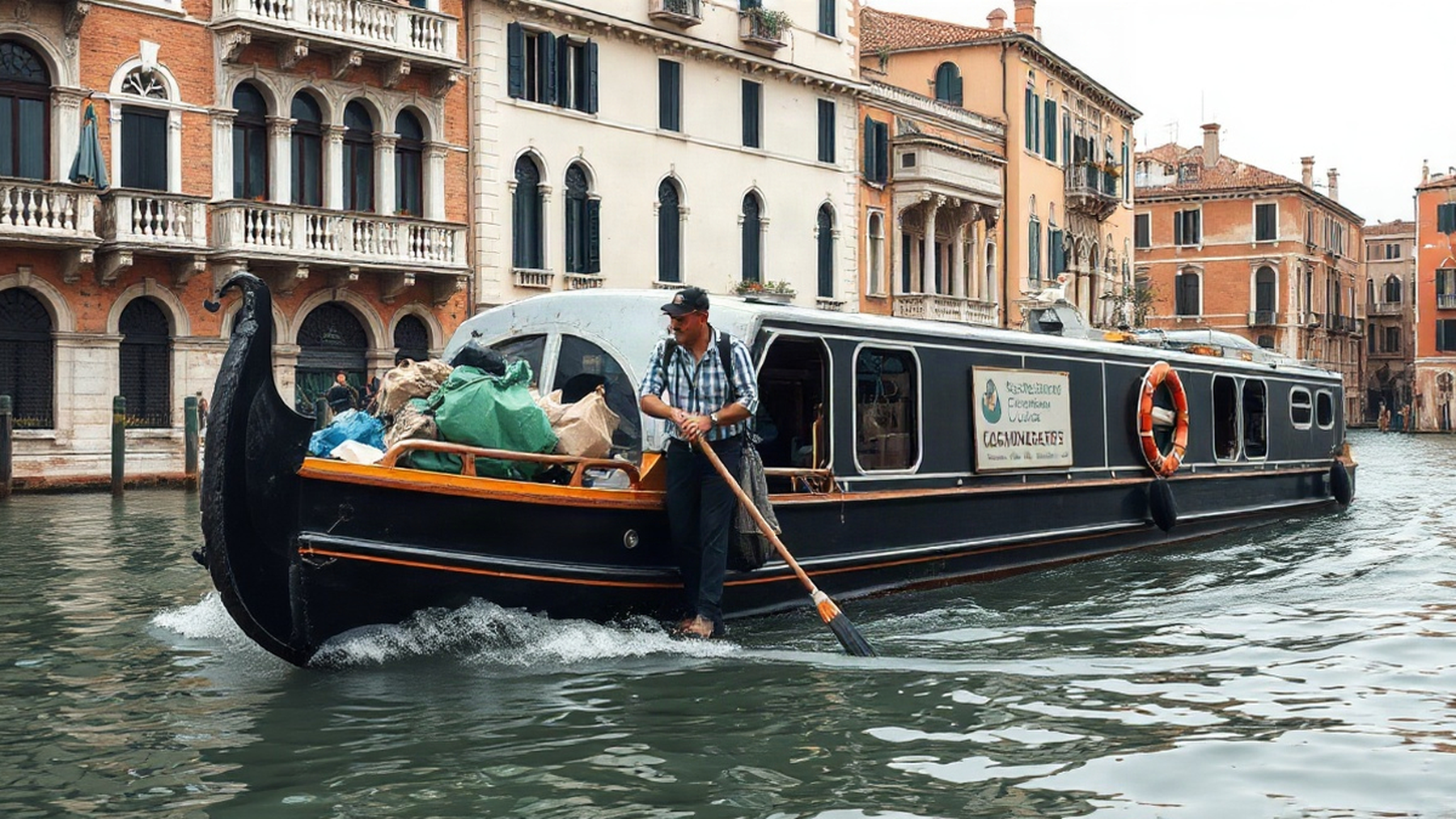
Venice's waste management system is uniquely adapted to its geographical constraints. With no roads for traditional garbage trucks, waste collection is carried out via a fleet of garbage boats. Veritas S.p.A., the local waste management company, oversees the entire waste cycle, from collection to treatment. Strict guidelines are in place to ensure the proper segregation of waste into categories such as organic, paper, glass, and plastics. This meticulous process not only aids recycling efforts but also contributes to the production of compost, turning organic waste into a valuable resource.
Tourists' Role in the Initiative
Tourists play a pivotal role in the success of Venice's biodegradable waste initiative. The city has launched information campaigns to educate visitors about sustainable practices. These campaigns encourage tourists to use refillable water bottles, reducing reliance on single-use plastics, and to bring reusable shopping bags to minimize waste when purchasing souvenirs or groceries. By adopting these eco-friendly habits, tourists can significantly contribute to reducing waste and protecting Venice's delicate ecosystem.
Impact and Future Prospects
The biodegradable waste initiative is part of Venice's larger vision for sustainable tourism. By setting an example, Venice hopes to inspire other cities facing similar environmental challenges. The initiative not only addresses immediate waste management issues but also aligns with global efforts to combat climate change. As Venice continues to refine its waste management practices, it remains committed to preserving its cultural heritage while promoting environmental sustainability. This dual focus on conservation and innovation positions Venice as a leader in sustainable tourism development.
Community Involvement and Educational Initiatives
The success of Venice's biodegradable waste initiative is heavily reliant on community involvement and education. Local schools have integrated sustainability education into their curricula, teaching students the importance of waste segregation and environmental stewardship. Community workshops and outreach programs are regularly organized to engage residents and visitors alike, fostering a culture of responsibility towards waste management. These educational efforts extend to the hospitality sector, where hotel staff receive training on sustainable practices, ensuring that visitors are informed about how to contribute positively to the city's waste management efforts.
The Role of Technology in Waste Management
Technological innovation plays a crucial role in enhancing Venice's waste management systems. The city employs smart waste sensors to optimize collection routes, reducing fuel consumption and emissions from garbage boats. These sensors monitor waste levels in real-time, allowing Veritas S.p.A. to deploy resources more efficiently. Moreover, digital platforms provide residents and tourists with information on waste disposal locations, recycling guidelines, and sustainability tips, increasing participation in the initiative. This integration of technology ensures that Venice remains at the forefront of sustainable urban management.
Challenges and Solutions in Implementing the Initiative
While the biodegradable waste initiative presents a promising framework for sustainable tourism, it is not without its challenges. Venice's unique geography poses logistical hurdles for waste collection, especially during peak tourist seasons. However, the city has responded by increasing the frequency of waste collection during high traffic periods and employing additional garbage boats when necessary. Another challenge is ensuring compliance with waste segregation rules among a constantly changing tourist population. To address this, the city has deployed multilingual signage and partnered with local businesses to distribute informational pamphlets, ensuring that visitors are aware of their role in Venice's sustainability efforts.
Venice's Global Influence in Sustainable Practices
Venice's commitment to sustainable waste management has garnered international attention, positioning the city as a model for other tourist destinations. Its collaboration with global initiatives like the WWF's Plastic Smart Cities underscores its dedication to reducing plastic pollution and promoting eco-friendly tourism. Cities around the world look to Venice for inspiration on balancing cultural preservation with environmental responsibility. By setting ambitious sustainability goals and actively engaging the community and visitors, Venice demonstrates that historic cities can lead the way in global environmental efforts without compromising their cultural heritage.
Frequently asked questions
What is “Venice Embraces Biodegradable Waste: A Green Shift” about?
In September 2023, Venice introduced a biodegradable waste management strategy to reduce the environmental footprint of tourism and promote sustainability. This initiative focuses on waste segregation and encourages eco-friendly practices among tourists, aiming to preserve Venice's unique ecosystem.
What is the key fact about “Venice Embraces Biodegradable Waste: A Green Shift”?
Venice, Italy
What should readers know about “Introduction to Venice's Environmental Challenges”?
Venice, renowned for its picturesque canals and historic architecture, faces significant environmental challenges. The city's fragile ecosystem is under constant threat from rising water levels and the immense pressure of mass tourism. With over 20 million visitors annually, managing waste effectively is crucial to preserving its unique environment. Recognizing these challenges, Venice is actively participating in global sustainability initiatives, including the WWF's Plastic Smart Cities program, to mitigate pollution and enhance its ecological footprint.
Sources
- “Venice - Plastic Smart Cities,” WWF. Source link
- “How to manage waste in Venice,” Venice Explorer. Source link
- “Waste management and collection in Venice,” Gruppo Veritas. Source link
This article was independently researched and produced. No payment, complimentary service or editorial approval was provided by the places mentioned.