
In brief
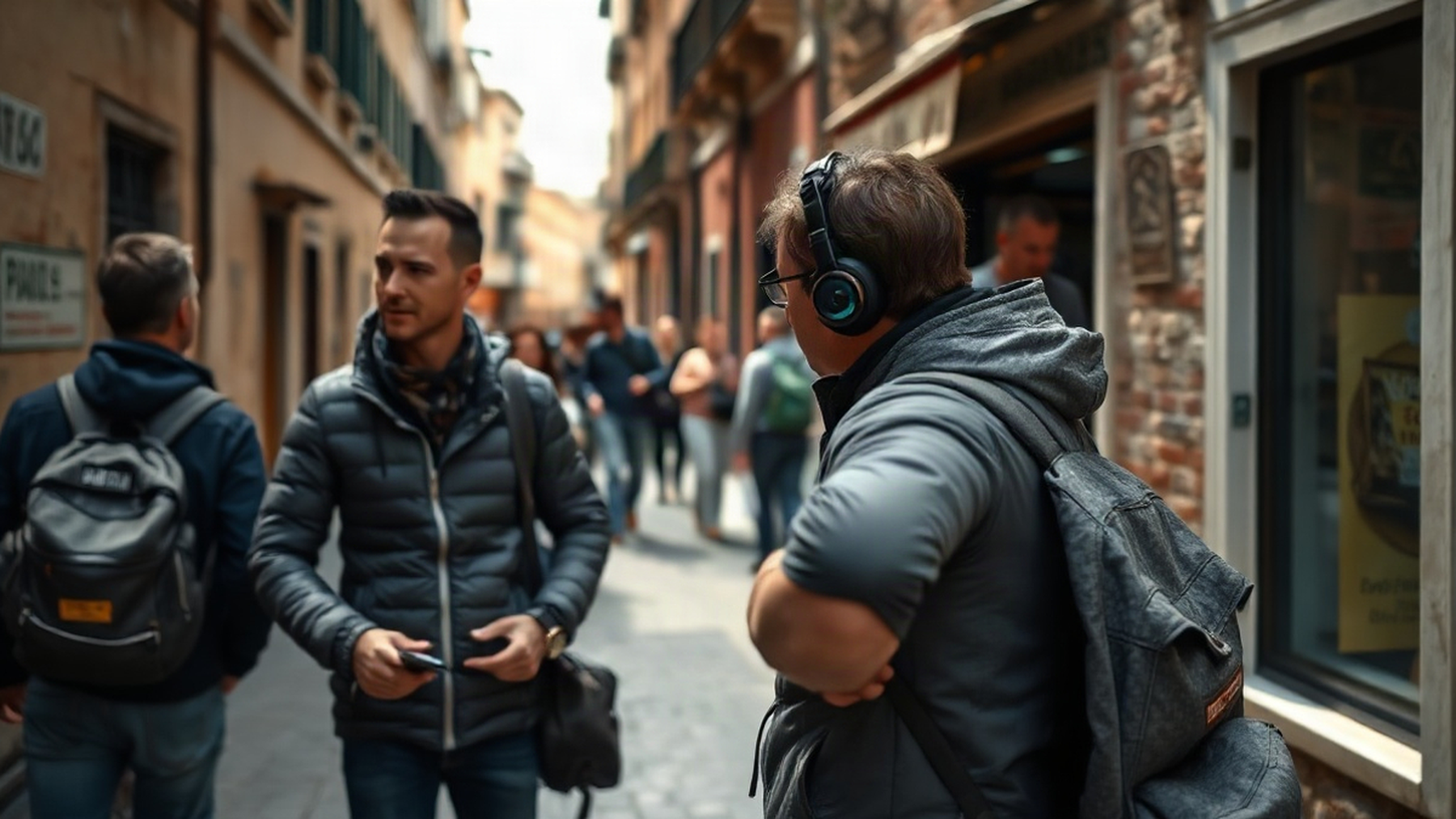
In September 2023, Venice introduced a 'Noise Code' to tackle noise pollution from tourists. The regulations ban loudspeakers and restrict tour group sizes to 25 people, all aimed at easing the soundscape for residents and promoting sustainable tourism practices in the city.
At a glance
- Where
- Venice, Italy
- Best for
- Cultural tourists
- Time needed
- Varies by visit
- Access/cost
- Public spaces, free
- Last checked
- September 2023
The Growing Challenge of Noise Pollution
Venice, a city renowned for its picturesque canals and historical architecture, is now facing an escalating concern: noise pollution. With the influx of tourists, the city's ambient noise levels have surged, disrupting the peaceful everyday life of its residents. In response to these concerns, Venice has enacted a 'Noise Code' to manage the acoustic environment more effectively.
Key Provisions of the 'Noise Code'
The 'Noise Code' introduced in September 2023 aims to mitigate the effects of noise pollution primarily caused by tourists. As part of these measures, the city has banned the use of portable loudspeakers by tour guides, a practice that had become pervasive as guides sought to amplify their voices over the bustling crowds. Instead, tour guides are encouraged to use whisper radio sets or portable microphones, which are less intrusive and more respectful of the city's acoustic heritage.
Furthermore, the regulations also address the size of walking tour groups. To prevent congestion and reduce noise in the city's narrow streets and historic squares, tour groups are now limited to a maximum of 25 people. This measure is designed to create a more manageable flow of foot traffic, contributing to a quieter and more enjoyable experience for both residents and visitors.
Impact on Residents and Tourists
These new regulations are part of a broader initiative by the city to balance the needs of its residents with the demands of tourism. According to city officials, as reported by DW, the 'Noise Code' is an effort to promote sustainable tourism practices, ensuring that the cultural and historical integrity of Venice remains intact. The restrictions on noise and group sizes are expected to improve the quality of life for residents while creating a more pleasant and authentic experience for tourists.
Reactions and Adjustments
The introduction of the 'Noise Code' has been met with varied reactions. Residents have largely welcomed the initiative, seeing it as a necessary step to reclaim their city's tranquility. On the other hand, some tour operators have expressed concerns about the logistical challenges posed by the new regulations. However, many agree that these changes are essential for preserving the unique charm of Venice, as noted by The Art Newspaper.
Looking Ahead
Venice's 'Noise Code' represents a significant move towards managing the impacts of mass tourism, a challenge faced by many popular destinations worldwide. By prioritizing the acoustic environment, the city aims to protect its residents' quality of life while ensuring that visitors can continue to enjoy its beauty and history. The success of these measures will likely serve as a model for other cities grappling with similar issues.
Ultimately, Venice's commitment to reducing noise pollution is a testament to its dedication to sustainable tourism and cultural preservation, ensuring that the serene soundscape that has long been a hallmark of the city remains for generations to come.
The Role of Technology in Enforcing the Noise Code
To effectively implement the 'Noise Code', Venice is leveraging modern technology to monitor and manage noise levels. The city has installed a network of noise sensors throughout key tourist areas. These sensors continuously measure ambient noise levels, helping authorities identify hotspots where noise exceeds acceptable limits. This data-driven approach not only aids in enforcing the new regulations but also provides valuable insights into patterns of noise pollution, enabling more strategic planning and resource allocation. Tour operators are encouraged to adopt whisper technology and headsets that allow guides to communicate with their groups without contributing to noise pollution, aligning with the city's broader technological adoption strategy.
Community Engagement and Education
In addition to regulatory measures, Venice is actively engaging with both residents and tourists to foster a culture of respect and awareness regarding noise pollution. The city has rolled out educational campaigns aimed at informing tourists about the impact of noise on Venice’s delicate environment and cultural heritage. Signage in multiple languages has been placed at popular tourist sites, reminding visitors to keep noise levels to a minimum. Local schools and community groups are also involved in educational programs that emphasize the importance of preserving Venice's soundscape. These initiatives are designed to cultivate a sense of shared responsibility among all who live in or visit the city.
Comparative Approaches in Global Heritage Sites
Venice’s approach to managing noise pollution is part of a broader trend among global heritage sites grappling with similar challenges. Cities like Barcelona and Dubrovnik have implemented their own measures to address the impacts of mass tourism, including restrictions on tourist numbers and noise controls. These cities share insights and strategies through international forums focused on sustainable tourism, providing a platform for collaborative innovation. Venice’s 'Noise Code' is thus both a local solution and a contribution to a growing body of knowledge on best practices for managing tourism in culturally significant locations. By learning from and contributing to these global efforts, Venice continues to position itself as a leader in sustainable tourism.
Future Developments and Policy Considerations
As Venice moves forward with its 'Noise Code', the city is also considering additional measures to further safeguard its unique environment. Ongoing assessments of the code's effectiveness will inform future policy decisions. Potential developments include stricter penalties for violations and expanded quiet zones, particularly in residential areas most affected by tourist traffic. The city council is also exploring partnerships with international tourism organizations to promote responsible travel practices more broadly. By maintaining an adaptive and forward-thinking approach, Venice aims to ensure that its policies remain effective in preserving the city's tranquility while accommodating the needs of the millions of visitors it welcomes each year.
Frequently asked questions
What is “Venice Introduces 'Noise Code' to Tame Tourist Hubbub” about?
In September 2023, Venice introduced a 'Noise Code' to tackle noise pollution from tourists. The regulations ban loudspeakers and restrict tour group sizes to 25 people, all aimed at easing the soundscape for residents and promoting sustainable tourism practices in the city.
What is the key fact about “Venice Introduces 'Noise Code' to Tame Tourist Hubbub”?
Venice, Italy
What should readers know about “The Growing Challenge of Noise Pollution”?
Venice, a city renowned for its picturesque canals and historical architecture, is now facing an escalating concern: noise pollution. With the influx of tourists, the city's ambient noise levels have surged, disrupting the peaceful everyday life of its residents. In response to these concerns, Venice has enacted a 'Noise Code' to manage the acoustic environment more effectively.
Sources
- “Venice to ban loudspeakers, stopping on bridges and tour groups with more than 25 people,” CNN. Source link
- “Italy: Venice bans large tourist groups and loudspeakers,” DW. Source link
- “Venice city council proposes limiting tourist groups and banning loudspeakers,” The Art Newspaper. Source link
This article was independently researched and produced. No payment, complimentary service or editorial approval was provided by the places mentioned.