
In brief
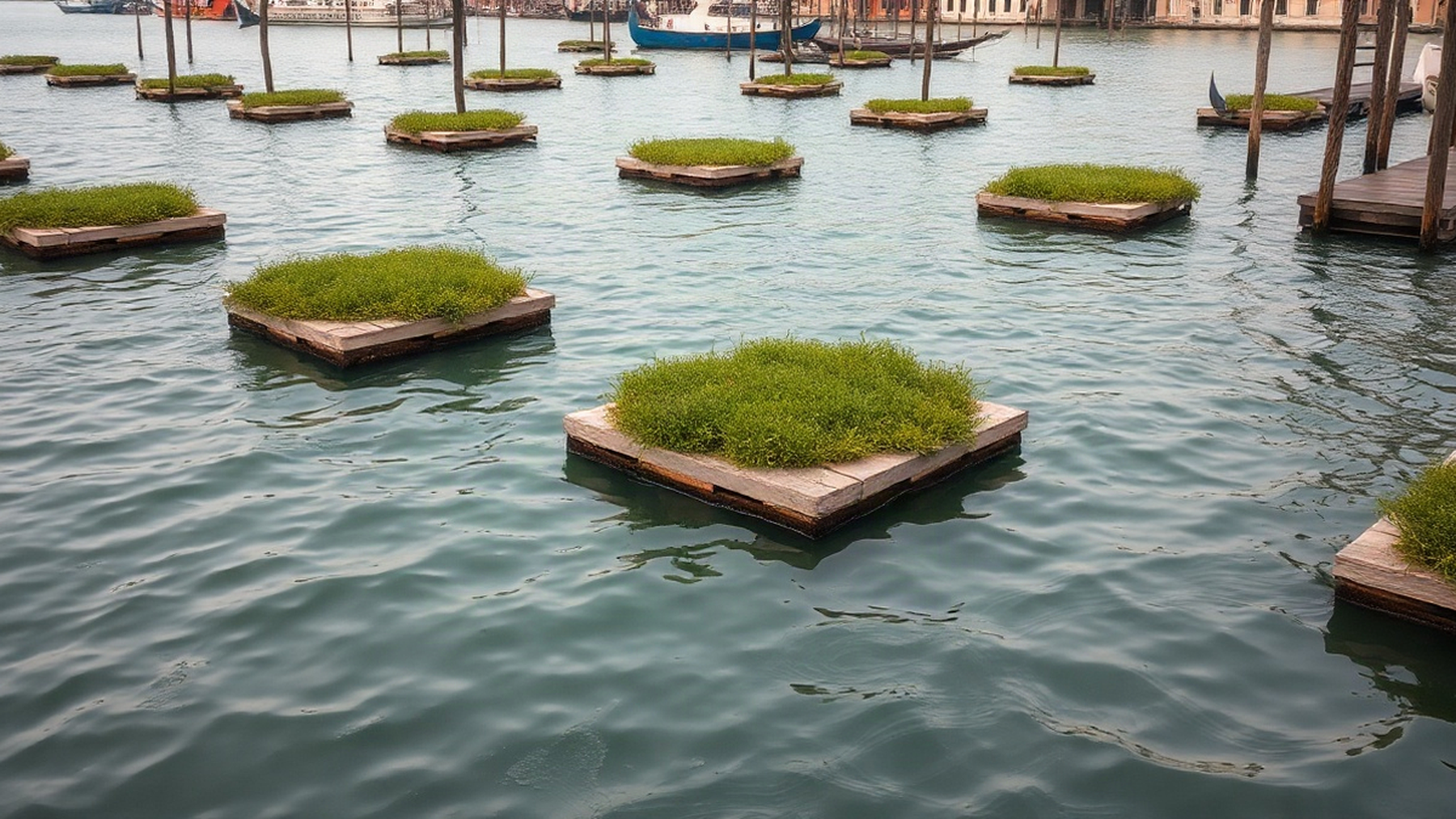
Venice's floating forest integrates art and ecology by placing plant-covered platforms in the lagoon. This initiative aims to enhance biodiversity, support local wildlife habitats, and stimulate discussions on sustainable urban planning.
At a glance
- Where
- Venetian Lagoon
- Best for
- Art and ecology enthusiasts
- Time needed
- 1-2 hours visit
- Access/cost
- Free, accessible by boat
- Last checked
- September 2023
Introduction to the Floating Forest
In August 2023, Venice unveiled an innovative floating forest project, a fusion of artistic expression and ecological intervention designed to address the pressing environmental issues facing the city. As Venice continues to grapple with rising sea levels and the impacts of climate change, this project stands out as both a practical solution and a source of inspiration for cities worldwide.
Conceptualizing the Floating Forest
The floating forest consists of numerous plant-covered platforms, artistically arranged to drift across the Venetian Lagoon. These platforms are not merely aesthetic installations; they serve a dual purpose by enhancing the local ecosystem. By providing habitats for various species and contributing to carbon sequestration, these platforms are a testament to the synergy between nature and human innovation.
Art as a Medium for Environmental Activism
This project is part of a broader global movement that leverages art to raise awareness about environmental issues. By reimagining urban landscapes, Venice's floating forest challenges residents and visitors to rethink their relationship with natural environments. The initiative underscores the potential for art to transform public perception and inspire action on climate change.
Challenges in Implementation
Despite its promise, the floating forest faces several challenges. The logistics of maintaining and securing the platforms amidst the lagoon's dynamic environment pose significant hurdles. Additionally, ensuring the project's sustainability requires ongoing collaboration between artists, scientists, and local authorities. However, these challenges also present opportunities for innovation in adaptive urban planning.
Impact on Venice's Ecosystem
The floating forest is more than an art installation; it represents a crucial step in preserving Venice's delicate ecosystem. The platforms contribute to biodiversity by offering new habitats for aquatic and avian species. Furthermore, they play a role in mitigating the effects of climate change, such as sea level rise, by acting as natural barriers and enhancing the lagoon's resilience.
Future Prospects and Global Influence
As the project progresses, it has the potential to serve as a model for other cities facing similar environmental challenges. Its success could inspire similar initiatives worldwide, encouraging a shift towards more sustainable urban environments. By bridging the gap between art and science, the floating forest exemplifies how creative solutions can address complex global issues.
Conclusion
Venice's floating forest is an ambitious project that embodies the city's innovative spirit and commitment to sustainability. As it continues to evolve, it promises to offer valuable insights into the role of art in environmental activism and urban resilience. This unique initiative not only addresses immediate ecological concerns but also fosters a deeper understanding of the interconnectedness between humans and nature.
Historical Context of Venice's Submerged Forest
Venice, often referred to as a city floating on water, owes much of its structural stability to an ancient engineering marvel: an underwater forest made of wooden piles. These piles have been driven into the lagoon's seabed to support the foundations of its buildings. Over centuries, the saltwater has petrified these wooden structures, making them as hard as stone. This submerged forest is crucial not only for maintaining the city's infrastructure but also for understanding the interplay between human ingenuity and natural resources in Venice's development.
The historical practice of using wooden piles demonstrates Venice's long-standing relationship with its natural environment. The city's construction techniques showcase an early form of sustainable building practices, where natural materials were ingeniously utilized to create a resilient urban landscape. This historical context enriches the narrative of the floating forest initiative, highlighting Venice's continuous evolution in addressing environmental challenges while preserving its unique cultural heritage.
The MoSE Project and Its Interactions with the Lagoon
Another critical aspect of Venice's environmental management is the MoSE (Modulo Sperimentale Elettromeccanico) project, designed to protect the city from flooding. This system of mobile barriers is intended to mitigate the effects of high tides and storm surges, which are becoming more frequent due to climate change. While the MoSE project provides essential protection against 'acqua alta' (high water) events, it also raises concerns about its impact on the lagoon's ecosystem.
The barriers, when deployed, isolate the lagoon from the Adriatic Sea, potentially affecting tidal flows and the natural sediment transport processes vital for the lagoon's health. The floating forest project complements these efforts by enhancing the lagoon's resilience through ecological interventions. By providing additional habitats and promoting biodiversity, the floating platforms can help offset some environmental disruptions caused by large-scale infrastructural projects like MoSE.
Community Engagement and Educational Opportunities
The floating forest initiative is not only a testament to creativity and environmental stewardship but also a catalyst for community engagement and education. By involving local artists, ecologists, and residents in its development, the project fosters a sense of ownership and collective responsibility towards the lagoon's future. It serves as a living laboratory where visitors and locals alike can learn about ecological balance, climate adaptation strategies, and the importance of preserving cultural landscapes.
Educational programs linked to the floating forest can empower younger generations to take an active role in sustainability efforts. Workshops and guided tours can be organized to showcase the intricate relationships between art, ecology, and urban planning. Such initiatives can inspire similar projects worldwide, encouraging a global dialogue on sustainable practices that respect and enhance local ecosystems.
Technological Innovations in the Floating Forest
Innovative technologies are at the heart of the floating forest's design, ensuring its viability and effectiveness in the dynamic environment of the Venetian Lagoon. The platforms are equipped with sensors to monitor environmental conditions such as water quality, temperature, and salinity. This data collection helps scientists and researchers understand the lagoon's ecosystem and assess the project's impact over time.
The incorporation of these technologies aligns with the global trend of using smart solutions to address environmental challenges. By leveraging technology, the floating forest not only serves as an ecological and artistic endeavor but also as a research hub that can provide valuable insights into climate adaptation strategies. This proactive approach to environmental management underscores Venice's commitment to innovation and resilience in the face of climate change.
Frequently asked questions
What is “Venice's Floating Forest: A New Horizon for Climate Action” about?
Venice's floating forest integrates art and ecology by placing plant-covered platforms in the lagoon. This initiative aims to enhance biodiversity, support local wildlife habitats, and stimulate discussions on sustainable urban planning.
What is the key fact about “Venice's Floating Forest: A New Horizon for Climate Action”?
Venetian Lagoon
What should readers know about “Introduction to the Floating Forest”?
In August 2023, Venice unveiled an innovative floating forest project, a fusion of artistic expression and ecological intervention designed to address the pressing environmental issues facing the city. As Venice continues to grapple with rising sea levels and the impacts of climate change, this project stands out as both a practical solution and a source of inspiration for cities worldwide.
Sources
- “The Venice Lagoon: Between Climate Change and Human Pressure,” Università di Padova. Source link
- “Venice: A City Floating on a Submerged Forest,” Military Veterans and Patriots. Source link
This article was independently researched and produced. No payment, complimentary service or editorial approval was provided by the places mentioned.