
In brief
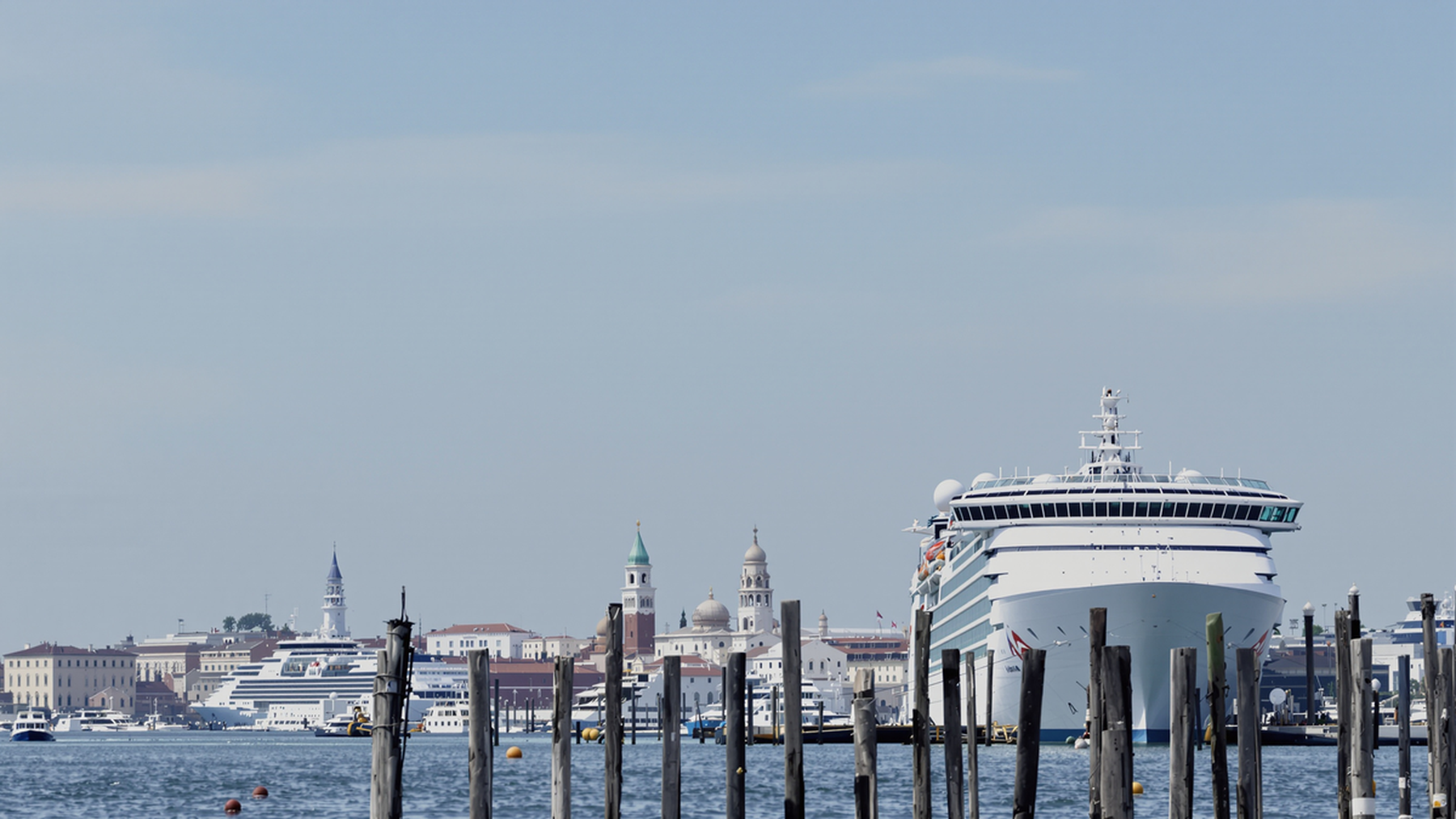
Venice has implemented a ban on cruise ships over 25,000 gross tons from entering its central waterways, including the Giudecca Canal, effective September 2023. This decision is driven by the need to protect the city's fragile lagoon ecosystem and its historic architecture from potential damage, while also managing the impacts of over-tourism.
At a glance
- Where
- Venice, Italy
- Best for
- Environmental protection
- Time needed
- Ongoing
- Access/cost
- Based on ship size
- Last checked
- September 2023
Introduction to Venice's New Regulations
In an effort to protect its unique cultural and natural heritage, Venice has introduced a set of regulations that significantly restrict the entry of large cruise ships into its central waterways. These measures, effective from September 2023, are aimed at safeguarding the Venetian Lagoon and the city's historic architecture from the adverse effects of large vessels.
Specifics of the Regulations
The new regulations prohibit cruise ships exceeding 25,000 gross tons from navigating through the heart of Venice, particularly the iconic Giudecca Canal. Additionally, vessels must adhere to stringent environmental standards, including the use of fuel with a sulfur content not exceeding 0.10% during their operations in the lagoon area. These actions stem from longstanding concerns about the potential environmental damage and risk to historic sites posed by large cruise ships.
Rationale Behind the Ban
Venice's decision to enforce these regulations is part of a broader strategy to address the city's environmental and cultural preservation challenges. The move follows warnings from UNESCO, which highlighted the risks that large cruise ships pose to Venice's status as a World Heritage site. The Italian government has responded by implementing these protective measures to avoid possible sanctions and to demonstrate a commitment to sustainable tourism.
Alternative Docking Arrangements
With the new regulations in place, larger cruise ships are now required to dock at alternative ports such as Marghera on the mainland. Passengers are then transported into Venice by shuttle services. While this approach helps alleviate congestion in the historic center, it presents logistical challenges for cruise operators and may impact the overall visitor experience. Some itineraries have also been adjusted to include ports like Trieste or Ravenna, further demonstrating the need for adaptation in the cruise industry.
Economic Implications and Tourism Balance
The restrictions on cruise ships are part of Venice's attempt to balance the economic benefits of tourism with the preservation of its cultural heritage. While the cruise industry contributes significantly to the local economy, the city faces the challenge of managing tourist numbers to ensure sustainability. The Italian government is exploring alternative tourism models that prioritize environmental conservation and respect for local communities.
Future Outlook and Challenges
The success of these regulations will depend on effective enforcement and the willingness of the cruise industry to comply with the new standards. Some critics argue that the restrictions could deter tourism, leading to potential economic drawbacks. However, proponents believe that these measures are essential for ensuring the long-term viability of Venice as a leading heritage destination. The city continues to explore innovative strategies to balance tourism with cultural and environmental stewardship.
Ultimately, Venice's initiative reflects a growing trend among European cities to adopt more sustainable tourism practices. By prioritizing the protection of its fragile lagoon and historic architecture, Venice is setting an example for other destinations grappling with similar challenges.
Environmental Concerns and Conservation Efforts
Venice's decision to impose stringent regulations on cruise ships stems from growing environmental concerns. The city's lagoon, a delicate ecosystem, has been under threat due to the large wakes created by massive vessels. These wakes contribute to the erosion of the canal banks and pose a risk to the stability of historic buildings. Furthermore, the emissions from cruise ships have been a significant source of air pollution, leading to increased levels of sulfur dioxide and particulate matter in the atmosphere. As part of the conservation efforts, the Italian government has mandated the use of cleaner fuels with low sulfur content, specifically not exceeding 0.10%, to minimize the environmental footprint of maritime activities in the lagoon. This initiative aligns with Venice's broader goal of promoting sustainable tourism and protecting its unique ecological and cultural heritage.
Technological Innovations and Sustainable Tourism
In response to the new regulations, cruise lines are exploring technological innovations to comply with environmental standards and support Venice's sustainable tourism objectives. Some companies are investing in the development of hybrid ships that combine sail and engine propulsion, reducing reliance on traditional fuel sources and minimizing emissions. These hybrid vessels are designed to be more energy-efficient and environmentally friendly, offering a potential solution for maintaining cruise tourism while adhering to stricter regulations. Additionally, the cruise industry is actively seeking partnerships with local authorities to develop sustainable practices, such as implementing waste management systems and encouraging eco-friendly shore excursions that highlight Venice's cultural and natural assets without causing harm.
Community Impact and Local Perspectives
The new cruise ship regulations have sparked diverse reactions among Venice's residents and local businesses. While some community members welcome the measures as essential for preserving the city's heritage and reducing congestion, others express concerns about the economic implications, particularly for businesses that rely heavily on tourist traffic. To address these concerns, local authorities are working to promote alternative forms of tourism that highlight the city's cultural richness and encourage longer stays. This approach aims to distribute economic benefits more evenly and reduce the pressure on Venice's infrastructure. The development of cultural events, culinary tours, and artisan workshops is part of a broader strategy to attract visitors interested in experiencing the authentic aspects of Venetian life, beyond the transient visits typical of cruise tourism.
Strategic Planning for Future Tourism
Venice's strategic planning for future tourism involves a multifaceted approach that balances economic viability with environmental stewardship. The city is investing in infrastructure improvements, such as enhancing public transportation and developing new docking facilities at alternative ports like Marghera, to accommodate the shift in cruise ship operations. Additionally, Venice is leveraging digital technology to manage tourist flows and enhance visitor experiences. Real-time data on tourist numbers and movement patterns is being used to inform decision-making and ensure that the city's attractions remain accessible without being overcrowded. By combining regulatory measures with innovative solutions, Venice aims to create a sustainable tourism model that preserves its cultural and natural heritage for future generations while maintaining its appeal as a world-renowned destination.
Frequently asked questions
What is “Venice's New Cruise Ship Regulations: A Delicate Balance” about?
Venice has implemented a ban on cruise ships over 25,000 gross tons from entering its central waterways, including the Giudecca Canal, effective September 2023. This decision is driven by the need to protect the city's fragile lagoon ecosystem and its historic architecture from potential damage, while also managing the impacts of over-tourism.
What is the key fact about “Venice's New Cruise Ship Regulations: A Delicate Balance”?
Venice, Italy
What should readers know about “Introduction to Venice's New Regulations”?
In an effort to protect its unique cultural and natural heritage, Venice has introduced a set of regulations that significantly restrict the entry of large cruise ships into its central waterways. These measures, effective from September 2023, are aimed at safeguarding the Venetian Lagoon and the city's historic architecture from the adverse effects of large vessels.
Sources
- “Italy: Cruise Ships Banned from Venice Lagoon, Waterways Declared National Monument,” Library of Congress. Source link
- “Italy to ban large cruise ships in centre of Venice to protect lagoon,” France 24. Source link
- “Are Cruise Ships Allowed in Venice? Background on a Historic Port With an Uncertain Future,” Cruise Critic. Source link
This article was independently researched and produced. No payment, complimentary service or editorial approval was provided by the places mentioned.