
In brief
Beyond La Biennale di Venezia's peak-crowd pavilions, Venice holds a year-round contemporary and modern art scene: the Peggy Guggenheim Collection, Palazzo Grassi and Punta della Dogana's Pinault holdings, Fondazione Querini Stampalia, and smaller artist-run spaces in Giudecca and Cannaregio. Visiting these on non-Biennale days, or in a Biennale year's quieter mid-week mornings, gives a fuller and calmer picture of Venice's art life.
At a glance
- Year-round anchors
- Peggy Guggenheim Collection, Palazzo Grassi, Punta della Dogana
- Quieter alternative
- Fondazione Querini Stampalia, Castello neighbourhood spaces
- Biennale timing
- La Biennale di Venezia runs major exhibitions in alternating art/architecture years
- Best for
- Visitors wanting depth over a checklist of pavilions
- Time needed
- 2–3 days to cover the major collections without rushing
- Last checked
- July 2026
The Biennale is an event, not the whole scene
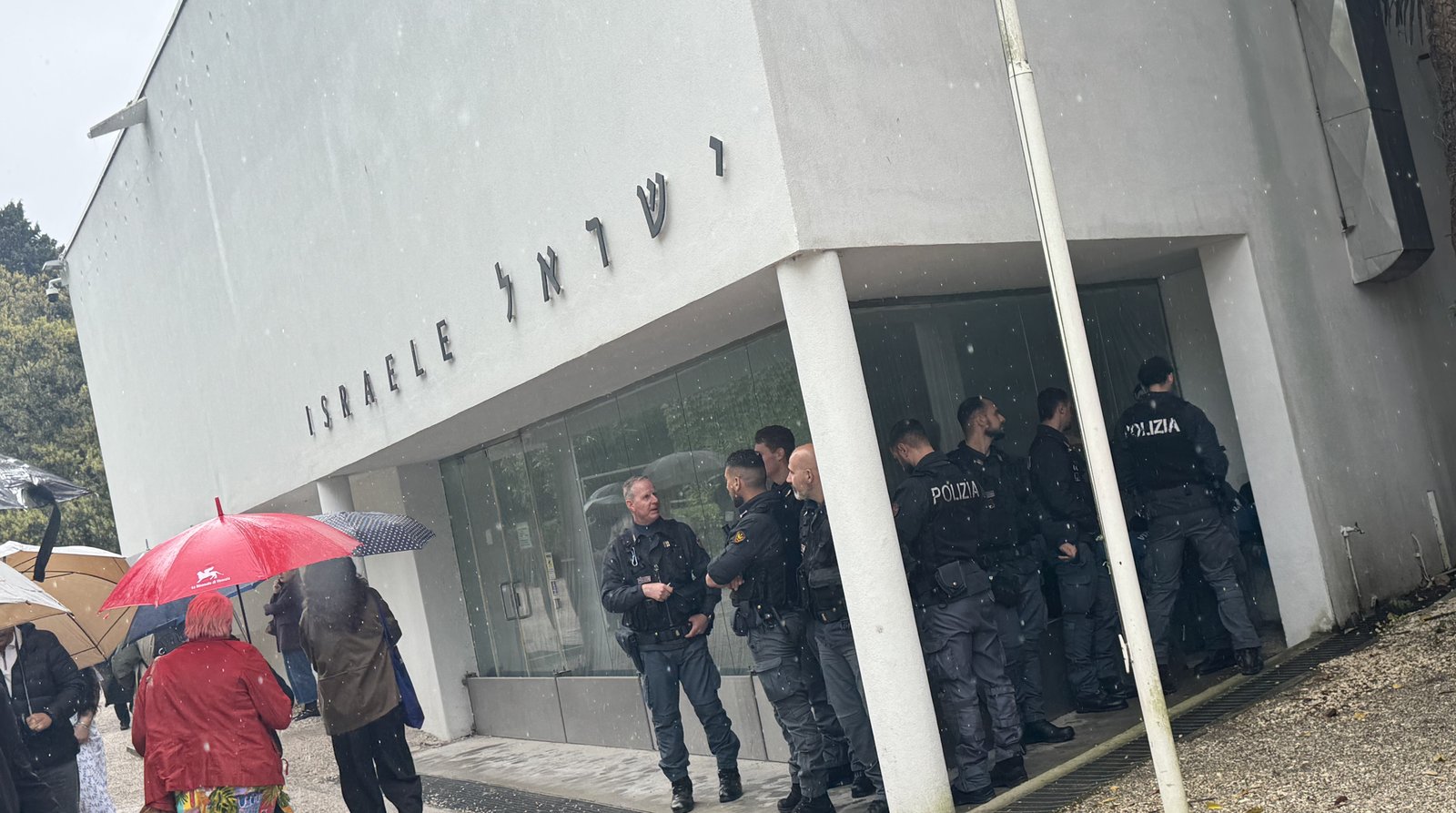
La Biennale di Venezia, founded in 1895, remains one of the most significant recurring events in contemporary art, alternating between an art exhibition and an architecture exhibition in successive years, centred on the Giardini's national pavilions and the vast former shipyards of the Arsenale. During its run, both sites draw serious crowds, particularly around the opening weeks and any weekend. What gets lost in the Biennale's visibility is that Venice supports a substantial, permanent art infrastructure that operates whether or not the Biennale is currently running — collections and foundations built over decades, not assembled for a single exhibition cycle.
The Peggy Guggenheim Collection: still the essential visit
Housed in Peggy Guggenheim's former home, the unfinished Palazzo Venier dei Leoni on the Grand Canal in Dorsoduro, this collection of early-to-mid twentieth-century modern art — Cubist, Surrealist and early Abstract Expressionist work, much of it acquired directly by Guggenheim from the artists she championed — remains one of the most important permanent modern art collections in Italy. Its garden, where Guggenheim herself is buried alongside her collection of dogs, is worth the visit alone, and the museum's manageable scale makes it a far calmer, more absorbable experience than a major national museum, even at moderately busy times.
Palazzo Grassi and Punta della Dogana: the Pinault holdings
French collector François Pinault's foundation operates two major Venice sites: Palazzo Grassi on the Grand Canal, restored by architect Tadao Ando, and Punta della Dogana, the former customs house at the tip of Dorsoduro where the Grand Canal meets the Giudecca Canal, also an Ando renovation. Both mount rotating contemporary exhibitions drawn from Pinault's extensive collection, and both benefit from Ando's restrained architectural treatment, which gives the art considerably more breathing room than a conventional gallery hang. Visiting on a weekday morning, shortly after opening, tends to mean genuinely quiet rooms even during a Biennale year.
Fondazione Querini Stampalia: a quieter Castello anchor
Set in a Castello palazzo with a ground floor and garden redesigned by Carlo Scarpa in the 1960s, Fondazione Querini Stampalia combines a historic decorative-arts collection with an active contemporary exhibition programme, and it sits well off the main tourist routes between San Marco and the Arsenale. Scarpa's water-gate design, built to manage the acqua alta flooding that regularly reached the building, is itself a small masterclass in adapting historic architecture to the lagoon's physical reality — worth studying even for visitors with no particular interest in the exhibitions upstairs.
Smaller spaces worth seeking out
Beyond the major institutions, Venice's Giudecca and Cannaregio districts host a smaller ecosystem of artist studios, project spaces and gallery-adjacent workshops, many occupying former industrial buildings — Giudecca in particular retains a working-waterfront character that suits studio use, a legacy of its shipbuilding and manufacturing past. These spaces are less consistently open than a major museum and reward checking current listings before a visit rather than simply turning up, but they offer a closer, less curated view of what artists working in Venice today are actually making, distinct from either historical collections or the Biennale's international programming.
Building an itinerary that isn't just a checklist
A useful approach groups visits geographically and by pace rather than by fame: pair the Peggy Guggenheim Collection with Punta della Dogana, both a short walk apart in Dorsoduro, for a single unhurried morning; save Palazzo Grassi for a separate afternoon given its different location near Campo San Samuele; and set aside Fondazione Querini Stampalia and any Castello studio visits for a slower, less structured day. Treating a Biennale year the same way — visiting the Giardini and Arsenale on separate days rather than attempting both in one exhausting circuit, and going early in the week rather than a weekend — makes even peak-season viewing considerably more absorbable.
Pairing art with the rest of a considered visit
Several of Venice's craft trades intersect directly with its art world — glass, textile and paper-based techniques developed for decorative or liturgical use now supply materials and finishing for contemporary artists working in the city, a connection worth exploring through our companion pieces on a Murano glassmaking demonstration and inside a Venetian artisan workshop. For anyone wanting to close a gallery day with the same unhurried pace, the lagoon's quieter islands, covered in our wellness guide, make a natural next stop.
Sources
- La Biennale di Venezia — exhibition history and programming
- Peggy Guggenheim Collection — collection history and museum information
- Fondazione Musei Civici di Venezia — Venice museum network information
This article was independently researched and produced. No payment, complimentary service or editorial approval was provided by the places mentioned.