
In brief
La Biennale di Venezia, founded in 1895, is one of the world's oldest recurring contemporary art exhibitions, alternating between an art edition and an architecture edition, with annual programmes in film, theatre, music and dance. Its national pavilion system, based mainly in the Giardini della Biennale and the Arsenale, means dozens of countries stage independently curated exhibitions under one umbrella event each cycle.
At a glance
- Founded
- 1895
- Main venues
- Giardini della Biennale and the Arsenale, Castello
- Format
- Art and architecture exhibitions in alternating years; annual film, theatre, dance and music programmes
- Structure
- National pavilions curated independently by participating countries, plus a central international exhibition
- Best-known annual strand
- Venice International Film Festival (Mostra), held on the Lido since 1932
- Last checked
- August 2026
Older than most people assume
La Biennale di Venezia is often discussed as though it were a late-twentieth-century art-world invention, but its roots go back considerably further: the first International Art Exhibition opened in 1895, conceived initially to mark the silver anniversary of King Umberto I and Margherita of Savoy, and quickly grew into a recurring international event rather than a one-off celebration. That makes it one of the oldest continuously running large-scale contemporary art exhibitions in the world, predating most of the institutions — biennials, triennials, art fairs — that now follow a broadly similar model across the globe. Its scope has expanded well beyond visual art over the following century, adding an architecture exhibition, and independent annual programmes in cinema, theatre, contemporary dance and music, each run under the same Biennale institutional umbrella but with distinct calendars and audiences.
How the national pavilion system works
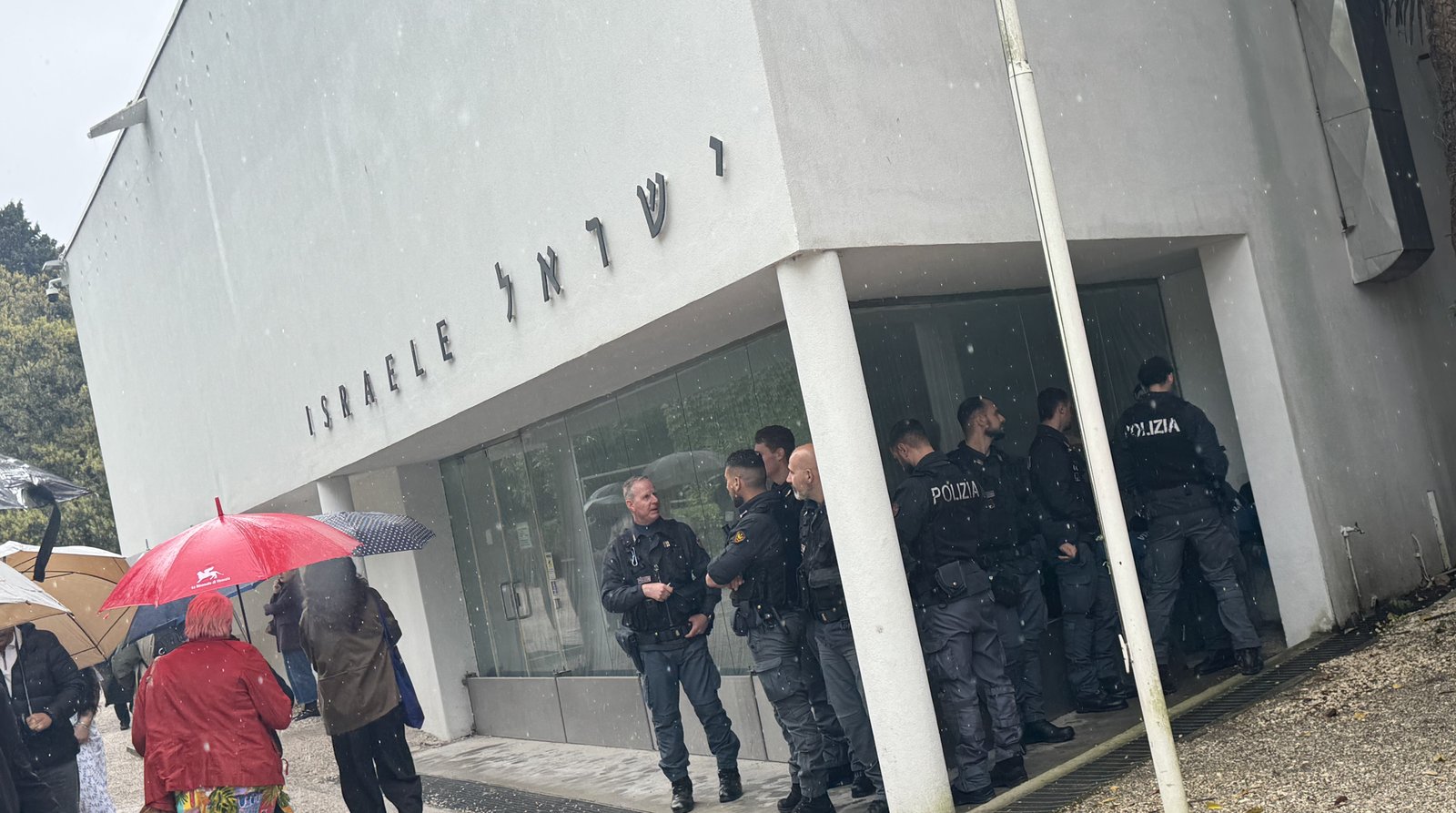
The event's most distinctive structural feature is the Giardini della Biennale, a public garden in eastern Castello where, since the early twentieth century, individual countries have built permanent pavilions to house their own independently curated national exhibitions. Each participating country selects its own artists and commissioners for a given edition — a system that means the Biennale is not one curated exhibition but dozens running simultaneously, each reflecting a different country's institutional choices and cultural priorities, alongside a central international exhibition curated by an appointed artistic director that ties a broader thematic thread across the event. As the Giardini filled with permanent pavilions over the decades, later-arriving and non-permanent participants increasingly took space in the Arsenale, Venice's historic former shipyard and armoury, whose vast covered halls have become the Biennale's other major venue and, for many visitors, its most atmospherically striking one — centuries-old naval architecture repurposed for the newest work being made anywhere.
Film, theatre and beyond the visual arts
The Venice International Film Festival, known widely as the Mostra, is the Biennale's oldest continuously running sister event, established in 1932 and generally recognised as the world's first major international film festival, predating Cannes and Berlin. It runs annually on the Lido rather than in the historic centre, drawing an international film industry presence to the barrier island each late summer. The Biennale's theatre, dance and music programmes run on their own annual or biennial schedules, generally smaller in international profile than the art and film events but maintained as part of the same institutional commitment to contemporary work across disciplines, not only art in the gallery sense.
What it means for a historic city
The Biennale's presence complicates the common image of Venice as a city solely preserved in amber. During Biennale editions, the city temporarily becomes one of the most closely watched sites in the international contemporary art calendar, with gallery openings, collateral events and artist-run spaces spreading well beyond the Giardini and Arsenale into palazzi, former churches and other venues across the historic centre — some officially part of the programme, many independently organised around it. This has real, debated effects: it brings sustained international cultural attention and revenue distinct from ordinary tourism, and it has helped several historic buildings find long-term cultural uses as exhibition venues. It has also drawn criticism, echoing wider debates about Venice's relationship with mass visitation, over whether the art world's own version of seasonal crowding places additional strain on a city already managing chronic overtourism pressure.
Contemporary art versus craft tradition
It would be a mistake to treat the Biennale and Venice's older craft traditions — glassblowing, mask-making, boatbuilding — as unrelated worlds occupying the same city by coincidence. In practice the two increasingly overlap: Biennale-adjacent exhibitions and collateral events have repeatedly commissioned Murano furnaces for large-scale glass installations, paired contemporary artists with traditional Venetian ateliers, and used historic conservation sites as exhibition venues, treating the city's living craft base as a genuine creative resource rather than a heritage backdrop. That overlap is one of the more interesting undercurrents of the event for visitors willing to look past the headline international pavilions.
Visiting during a Biennale year
Art and architecture editions typically run from late spring into autumn, giving a long window to visit outside the opening week's heaviest professional and press crowding. Buying tickets in advance for the Giardini and Arsenale, allowing a full day for each venue given their scale, and treating collateral events around the city as genuinely worth seeking out rather than an afterthought to the main pavilions are the most practical ways to experience the event without simply skimming its most photographed corners.
Sources
- La Biennale di Venezia — official history and programming, art, architecture and film
- Fondazione Musei Civici di Venezia — contemporary art and heritage venue partnerships
- Comune di Venezia — cultural events and visitor information
This article was independently researched and produced. No payment, complimentary service or editorial approval was provided by the places mentioned.