
In brief
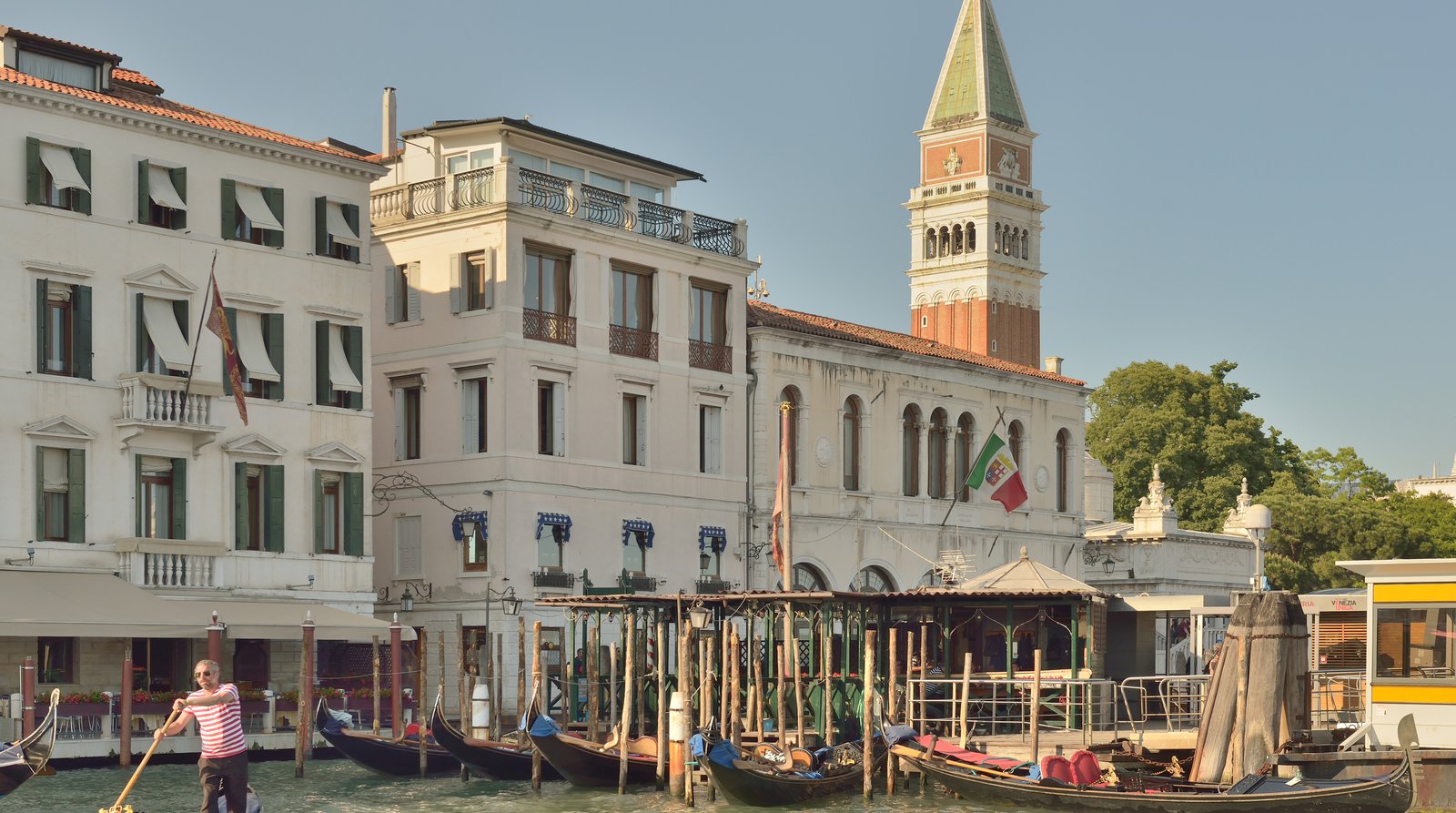
In Venice, aperitivo descends from the older habit of the ombra — a small glass of wine taken standing at a bacaro counter, traditionally in the shade of the Campanile di San Marco. Today it runs roughly from six to eight in the evening, pairing a spritz or wine with cicchetti, and functions as a daily social pause rather than a full meal.
At a glance
- Typical hours
- Roughly 18:00–20:00, before dinner
- Origin term
- Ombra — "shade," referring to wine stalls near San Marco's Campanile
- Typical drink
- Spritz (Aperol or Select), or a small glass of local wine
- Typical food
- Cicchetti — small bar snacks, eaten standing
- Where
- Neighbourhood bacari across Cannaregio, Dorsoduro, San Polo
- Last checked
- July 2026
A shadow, a glass, and a habit that stuck
The word most Venetians still use for a small glass of wine is ombra — literally "shadow" or "shade." The commonly told origin traces it to wine vendors who once set up portable stalls in Piazza San Marco and moved them through the day to stay in the shade cast by the Campanile, so that asking for "un'ombra" meant, roughly, finding the wine seller wherever the shade currently was. Whether or not the etymology is precisely accurate — origin stories this old are rarely provable beyond doubt — the habit it describes is well documented: a quick, standing glass of wine, taken alone or with others, worked into the middle or end of an ordinary working day.
What is now marketed internationally as "Italian aperitivo culture" is, in Venice specifically, a fairly direct continuation of this older habit rather than a twentieth-century invention. The bacaro — a small, often standing-room bar serving wine by the glass and small snacks — is the ombra tradition's modern home, and Venice has an unusually high concentration of them relative to its size, clustered especially around the Rialto market and through Cannaregio and Dorsoduro.
Cicchetti: not tapas, not a meal
Cicchetti are often described to visitors as "Venetian tapas," a comparison that is useful for scale but misleading for intent. A plate of cicchetti — small toasts topped with baccalà mantecato (whipped salt cod), a few slices of sarde in saor (sweet-and-sour marinated sardines), a wedge of frittata, a skewer of olives and cheese — is meant to accompany one or two glasses of wine, not to substitute for dinner. Ordering an enormous spread of cicchetti and calling it a meal is a common visitor habit that most Venetians would find slightly odd; the traditional rhythm treats the bacaro stop as a pause between other things, not a destination meal in itself.
Why the hour matters
The specific timing of aperitivo — after work, before dinner, roughly six to eight in the evening — is part of what makes it function socially rather than just gastronomically. It is short enough that people can drop in between errands, standing rather than seated, which keeps turnover high and conversation informal; and it is early enough that dinner, eaten later in Venice than in many northern European cities, still has its own separate space in the evening. Treating aperitivo as "an early dinner" collapses two distinct rituals into one and misses the point of both.
Campo life amplifies this. Bacari cluster around campi rather than main tourist thoroughfares precisely because the ritual depends on informal, standing sociability in an open space — a campo works as an extension of the bar counter, absorbing overflow on a mild evening in a way an enclosed restaurant cannot.
The spritz, briefly
The Aperol spritz has become the ritual's best-known modern export, but the drink itself has older Venetian roots: Austrian officials stationed in Veneto during the nineteenth-century Habsburg administration are commonly credited with diluting local wine with sparkling water — "spritzen," to splash — to suit their taste, a habit that Venetians adapted over the following century into the bitter-and-prosecco formula now familiar worldwide. Select, a Venice-specific bitter developed in the 1920s and still made in the city, remains the more locally rooted choice among residents who find Aperol's wider fame slightly beside the point.
Taking part without turning it into a photograph
Visitors are welcome at the aperitivo hour, and most bacari are used to a mixed crowd of residents and travellers. The habits that mark the difference between joining the ritual and merely staging it: standing rather than claiming a table meant for someone else, ordering one or two cicchetti rather than clearing the counter's display, paying promptly since bacari run on quick turnover, and treating the hour as a pause rather than a checklist item to be photographed and left.
What is the difference between ombra, cicchetti and aperitivo in Venice?
Ombra is the older Venetian term for a small glass of wine; cicchetti are the small snacks traditionally eaten alongside it; and aperitivo is the broader, now internationally familiar evening ritual — spritz or wine plus cicchetti, taken standing at a bacaro roughly between six and eight in the evening — that grew directly out of both older habits.
Sources
- Comune di Venezia — municipal documentation on Venetian food traditions
- Fondazione Musei Civici di Venezia — social history references on Piazza San Marco and the Campanile
- Slow Food Venezia — regional food and beverage heritage documentation
This article was independently researched and produced. No payment, complimentary service or editorial approval was provided by the places mentioned.